

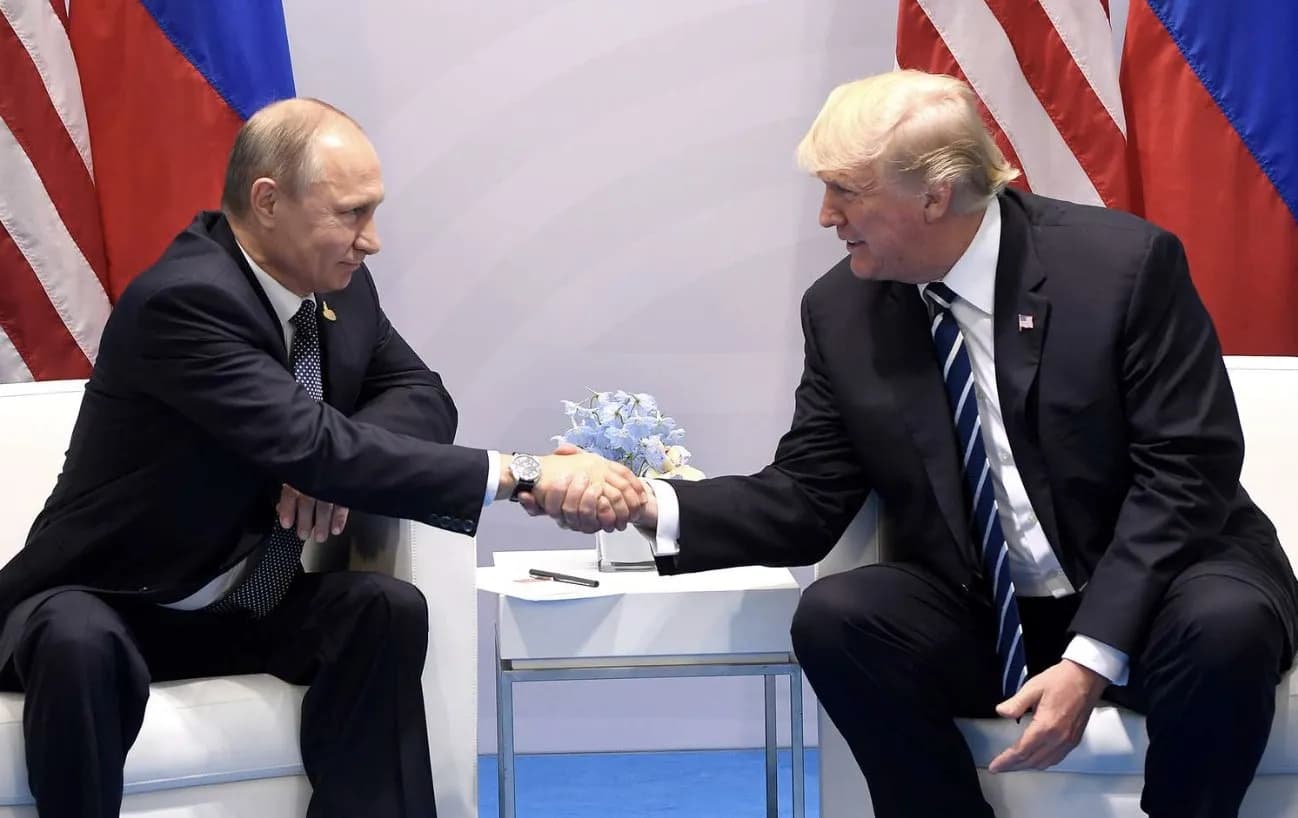
Global crude oil benchmarks began the week on a softer note, extending last month’s decline amid heightened speculation over Friday’s scheduled meeting between U.S. President Donald Trump and Russian President Vladimir Putin.
As of Monday morning trading, Brent crude stood at $65.96 per barrel (-0.95%), West Texas Intermediate (WTI) at $63.20 (-1.06%), and Murban crude at $68.19 (-0.77%). Natural gas also slipped to $2.924/MMBtu (-2.21%).
Market sentiment remains cautious after crude posted a 4% weekly loss last week, as investors weighed the possibility of a political settlement in Ukraine that could unlock additional Russian supply into global markets.
Potential Supply Shift Looms Over Market
Commodity analysts at ING noted that the absence of fresh U.S. sanctions despite Washington’s earlier deadline for Moscow to halt the war has fuelled expectations of a negotiated outcome. Russia’s conditions reportedly include Ukraine ceding eastern provinces, a proposal Kyiv has publicly rejected.
“Any meaningful de-escalation would remove sanction risk from the oil market, tipping fundamentals toward a more bearish outlook,” ING analysts Warren Patterson and Ewa Manthey said.
Bloomberg sources suggested the prospective deal might involve formal recognition of Donbass as Russian territory, with U.S. negotiators working to gain Ukrainian and European acceptance. However, the same sources stressed the low probability of such a compromise, keeping upward price risks alive if talks collapse.
Risk Premium Still Embedded in Prices
Market watchers caution that while the immediate trend points downward, the geopolitical risk premium has not been fully erased.
“If peace talks falter and the conflict drags on, the market could pivot sharply to a bullish stance, potentially triggering a rapid rally in crude,” said Sugandha Sachdeva, founder of SS WealthStreet, in a Reuters interview.
This dual-track outlook bearish if a deal emerges, bullish if hostilities persist has amplified volatility across futures markets, with traders keeping positions nimble ahead of Friday.
Trade Policy Adds Another Layer of Pressure
Beyond the Ukraine–Russia dynamics, analysts highlight that President Trump’s new tariff regime targeting multiple trade partners could further suppress global energy demand. The anticipated drag on industrial activity and shipping volumes is already factoring into medium-term demand forecasts, putting a cap on price recovery momentum.
Short-Term Outlook: Rangebound but Reactive
Given the competing narratives, crude is likely to trade within a narrow, reactionary band until clear outcomes emerge from the Trump–Putin meeting. A de-escalation would see supply-side loosening and possible Brent retracement below $65, while failed talks could push prices toward $70 on renewed geopolitical risk pricing.
For now, the market remains in watch-and-react mode, with liquidity expected to tighten mid-week as traders position ahead of the geopolitical trigger.