

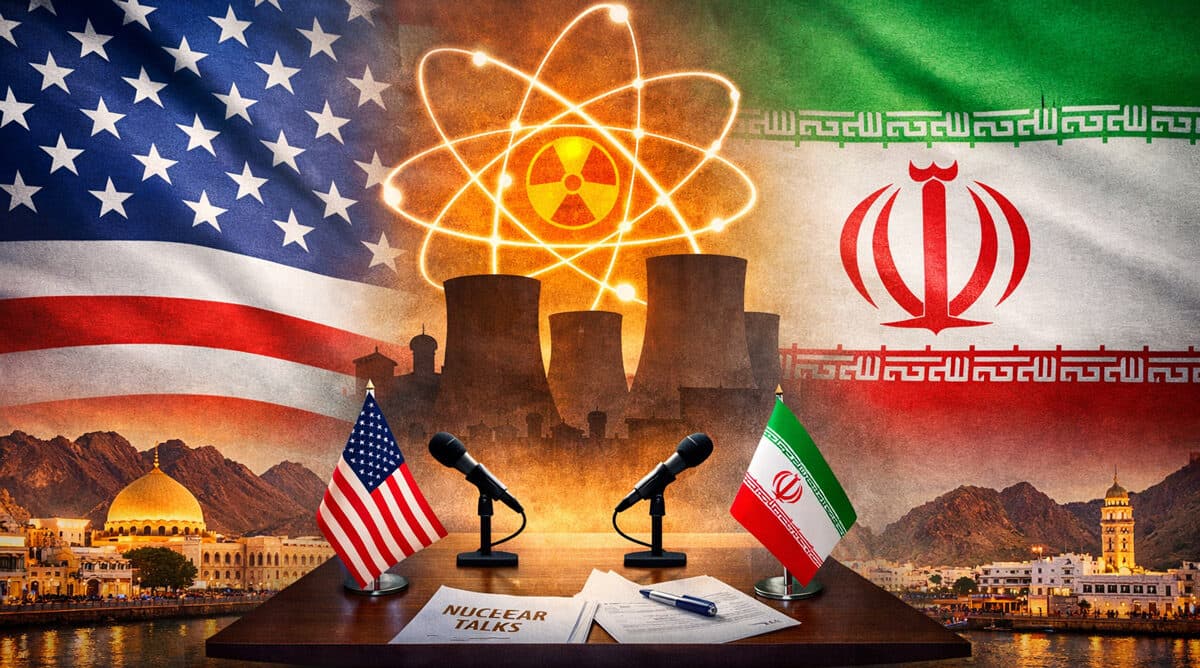
Oil prices fell below $100 a barrel on Tuesday as expectations of renewed US-Iran diplomacy and a possible reopening of the Strait of Hormuz eased concerns over prolonged disruption to global crude supplies.
As at 4:45 p.m. WAT, Brent crude was trading at $98.23 a barrel, down $2.11, or 2.10 percent, while West Texas Intermediate (WTI) stood at $89.99, down $2.38, or 2.58 percent.
The decline followed reports that Iran has offered to reopen the Strait of Hormuz within seven days if the United States takes initial steps to ease military pressure, raising the prospect of renewed negotiations.
The proposal, reported by Kyodo News and subsequently by Reuters, was attributed to a senior Iranian government official who said it had been conveyed to Washington through mediators. The offer reportedly includes a return to talks aimed at achieving a permanent end to hostilities.
The development comes as Iranian officials attend the United Nations General Assembly in New York, where Tehran plans to consult countries acting as intermediaries. The UNGA has therefore become a focal point for expectations of possible diplomatic engagement between Washington and Tehran, contributing to a reduction in the geopolitical premium in crude prices.
Iran has said it wants clear indications that Washington is prepared to return to negotiations, including steps to ease the US military blockade of Iranian ports and halt military operations linked to the Strait of Hormuz.
If those conditions are met, the Iranian official said Tehran would reopen the waterway within seven days and return to negotiations. The proposal was submitted through mediators on September 16, with Iran's delegation in New York authorised to pursue diplomatic discussions.
The Strait of Hormuz is a major route for crude and refined petroleum shipments from Gulf producers to international markets. The prospect of restoring normal passage has therefore reduced some of the supply-risk concerns that had supported higher oil prices.
Supply expectations have also improved following developments in Saudi Arabia. The country has resumed operations on its East-West Pipeline and is preparing to restore exports through its Red Sea port of Yanbu, providing an alternative route for some crude shipments and potentially reducing pressure on Gulf supply.
The combination of the Iranian proposal, expectations surrounding UNGA diplomacy and recovering Saudi export capacity has pushed crude lower after a period of elevated prices.
Brent had remained above $100 a barrel as traders assessed the potential impact of the conflict on Middle Eastern oil flows. On Monday, Brent settled at $100.34 a barrel, down 3.4 percent, while WTI fell 4.51 percent to $95.78.
Tuesday's decline extended the move, with Brent falling as much as 3 percent before recovering part of the loss and reaching its lowest level in about two weeks.
Iranian President Masoud Pezeshkian is attending the UNGA in New York, although the Iranian official cited by Kyodo News ruled out a meeting between Pezeshkian and US President Donald Trump on the sidelines of the event.
The official nevertheless said progress towards an agreement remained possible if Washington demonstrates what Tehran considers sufficient seriousness and commitment to negotiations.
The diplomatic prospects remain conditional, however. Iranian officials have previously demanded an end to the blockade of Iranian ports and the unfreezing of Iranian assets, while the latest proposal did not clarify whether Tehran had changed those conditions.
There is also conflicting information over the reported Hormuz offer. Iran's semi-official Fars News Agency later disputed reports that Tehran had offered to reopen the Strait in exchange for the lifting of the US blockade, describing the reports as invalid.
The conflicting accounts mean the latest price move is being driven partly by expectations rather than a confirmed reopening agreement. Traders are therefore watching developments from the UNGA, the Strait of Hormuz and the wider US-Iran conflict for signs of whether diplomatic engagement can translate into measures that restore regional energy flows.