

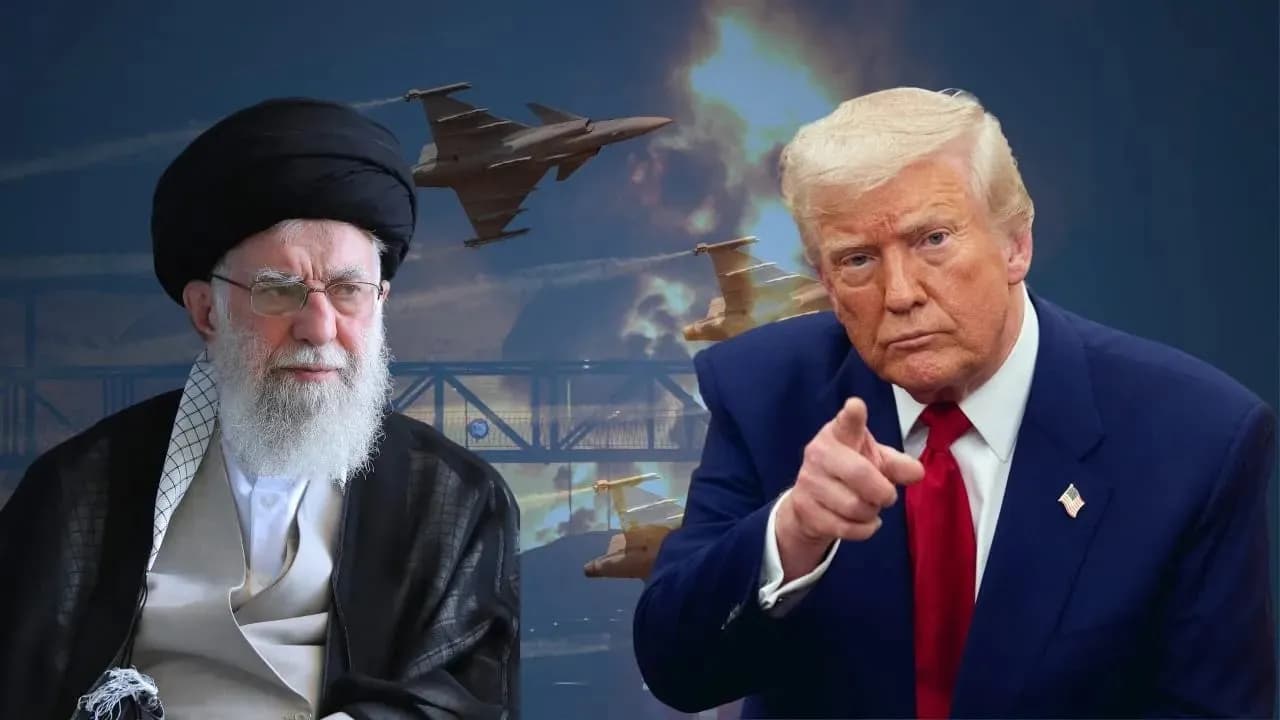
Oil prices dipped midweek after news emerged that the United States and Iran plan to restart nuclear talks. The renewed diplomatic effort comes shortly after U.S. and Israeli forces launched joint airstrikes on Iranian nuclear facilities.
As of 3:00 PM WAT, Brent crude declined by $1.21 to $68.98, down 1.72%, while WTI crude fell by $1.38 to $67.00, a 2.02% drop.
Sources say the talks, originally scheduled for July 10 in Oslo, have been delayed and may happen next week instead. While the resumption of dialogue marks a shift away from immediate confrontation, the backdrop remains tense.
Earlier, Israel struck key Iranian sites on June 13, just two days before a planned sixth round of negotiations. U.S. President Donald Trump later approved American involvement in the operation. However, he also brokered a cease-fire, which took effect on June 24.
Iran’s Foreign Minister Abbas Araqchi expressed deep mistrust in a Financial Times op-ed published on July 8. He questioned the credibility of diplomatic overtures from countries that had just carried out coordinated military attacks.
Cease-Fire Brings Hope, But Deep Friction Remains
Both Tehran and Washington claim to favor diplomacy, but the mood remains cautious. Trump has talked of reaching a “permanent deal,” though details remain vague. His strategy now appears to focus on stabilizing the region through long-term negotiation, not just short-term crisis control.
Iran continues to demand guarantees that Israel will not launch further attacks. At the same time, Trump warned he could order another strike if Tehran resumes high-level uranium enrichment.
Iranian officials admitted that their facilities were damaged, but they vowed to continue their nuclear efforts. Before the attacks, Iran had stockpiled over 400 kilograms of uranium enriched to 60%. Some of this material was moved to undisclosed sites.
The International Atomic Energy Agency says it no longer has full visibility into Iran’s stockpile. Iranian authorities suspended cooperation with inspectors after accusing the agency of leaking sensitive data.
Window for Agreement May Be Closing Fast
Diplomacy remains possible, but the stakes are high. Without a deal, Iran risks renewed military strikes and the return of United Nations sanctions. European powers have already issued warnings in that direction.
Despite suffering damage, Iran still holds significant leverage. Its enriched uranium levels and reduced transparency have raised concerns in Western capitals.
Trump believes diplomacy is still worth pursuing, but insists he will act decisively if talks fail. Tehran, while open to dialogue, has made clear that it wants firm commitments in return.
Whether these new talks in Oslo lead to real progress or simply delay further conflict remains to be seen. What is certain is that both sides are running out of time and trust.