

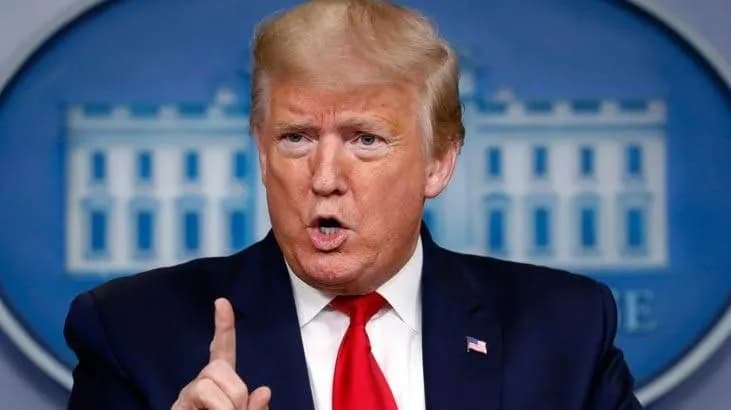
Oil prices continued their downward trend early Tuesday, as traders largely shrugged off U.S. President Donald Trump’s ultimatum to impose sweeping tariffs on Russia unless a Ukraine peace deal is reached within 50 days, despite Trump’s warnings of “100% secondary tariffs,” markets priced in little immediate impact on global supply.
During a high-profile meeting at the White House on Monday with NATO Secretary-General Mark Rutte, Trump said the U.S. would impose severe tariffs on nations that continue doing business with Russia if President Vladimir Putin does not agree to a ceasefire. He also pledged billions of dollars’ worth of U.S.-made military equipment for Ukraine, including Patriot air defense systems.
“If we don’t have a deal in 50 days, we’re going to be doing secondary tariffs. And they’ll be at 100%,” Trump said, adding that the punitive measures would affect both Russian goods and countries supporting its exports.
The comments marked a dramatic shift in Trump’s posture toward Putin, as he abandoned earlier promises to leverage his personal rapport with the Russian leader to negotiate a quick end to the war.
Oil Markets Unmoved by Threats
Despite the fiery rhetoric, crude prices barely flinched. Brent Crude dropped 0.72% to $68.73 in early Asian trading on Tuesday, while West Texas Intermediate (WTI) slid 0.85% to $66.43 per barrel. Monday’s close saw Brent lose 1.6%, pressured by Trump’s remarks but tempered by traders’ skepticism over any immediate enforcement action.
Analysts at ING said markets were responding to the lack of tangible measures. “The absence of immediate sanctions and doubts about whether these threats will be enforced explain the muted market reaction,” wrote Warren Patterson and Ewa Manthey in a note.
They added that imposing 100% tariffs could trigger a major supply disruption, something Trump—keen to keep fuel prices low—may hesitate to implement.
Ukraine Welcomes U.S. Backing
In Kyiv, the reaction was far more upbeat. Ukrainian President Volodymyr Zelenskyy confirmed a call with Trump and described the conversation as “productive.” He thanked Trump for supporting Ukraine and expressed hope for enhanced air defenses and weapons procurement partnerships with Europe.
“We are ready to work as productively as possible to achieve peace,” Zelenskyy wrote on Telegram.
Trump’s envoy, Keith Kellogg, met with Zelenskyy in Kyiv on Monday to discuss strengthening Ukraine’s defenses and ramping up joint arms production. Ukrainian officials viewed the visit as a signal of renewed U.S. engagement.
Oleksandr Merezhko, head of Ukraine’s parliamentary foreign affairs committee, called Trump’s stance “very encouraging,” noting that Patriot systems could arrive “within days.” Merezhko, who had previously nominated Trump for a Nobel Peace Prize before withdrawing the nomination, now believes the U.S. president may be shifting toward a stronger pro-Ukraine stance.
However, not everyone in Ukraine is reassured. Solomiia Bobrovska, a member of the defense and security committee, warned that Russia could intensify its offensives during the 50-day window. “Wherever the front line ends up, that will be the starting point for future negotiations,” she cautioned.
Kremlin Reacts Cautiously
In Moscow, Kremlin spokesperson Dmitry Peskov dismissed Trump’s comments as a continuation of the Biden administration’s policies under a new face. He noted that arms deliveries to Ukraine from the U.S. had not stopped and suggested little would change under Trump.
Kirill Dmitriev, the Kremlin’s key liaison in U.S. negotiations, insisted that dialogue would continue. Yet others, including Russian Senate Deputy Speaker Konstantin Kosachev, blasted the NATO-backed weapons deals, accusing Washington of fueling conflict to benefit its defense industry.
Markets inside Russia, meanwhile, appeared untroubled. The Russian MOEX index rose, buoyed by expectations that sanctions enforcement wouldn’t materialize soon. Some nationalist commentators even suggested the 50-day timeline gave Moscow a fresh deadline to secure military gains.
Shifting U.S. Policy on Display
Trump’s remarks reflected a growing impatience with Putin. “He talks nice, then bombs everybody at night,” Trump told reporters. He accused the Russian leader of duplicity and suggested that past efforts at diplomacy had been unsuccessful.
Initially, Trump had distanced himself from U.S. commitments to NATO and accused Zelenskyy of prolonging the war. He even called the Ukrainian leader a “dictator without elections.” But following recent deadly Russian drone attacks on Kyiv, Trump’s tone has shifted dramatically.
“My conversations with Putin are always very pleasant,” Trump said Monday. “But I go home, and the next thing I hear is missiles raining down on Kyiv. It’s got to stop.”
Sanctions Legislation in the Works
Behind the scenes, U.S. lawmakers from both parties are preparing legislation that would authorize Trump to impose severe secondary sanctions, potentially up to 500% tariffs on any country supporting Russia’s oil trade. These proposals would target major Russian customers like China and India, which have continued importing oil despite Western sanctions.
A White House official confirmed to Reuters that the administration is considering targeting both Russian goods and nations that help Moscow bypass existing restrictions.
Still, political observers cautioned against reading too much into Trump’s latest move. Sergey Poletaev of the Moscow-based Vatfor think tank noted, “In six months, the pendulum could swing back the other way.”
Near-Term Oil Fundamentals Stay Firm
Despite the geopolitical noise, oil markets remain anchored by fundamentals. Strong summer travel demand and rising Chinese refinery throughput have helped stabilize prices. OPEC+ has also been slower to increase output than expected.
While traders remain wary of geopolitical risk, they have seen enough threats come and go to treat Trump’s latest warnings with caution, for now.