

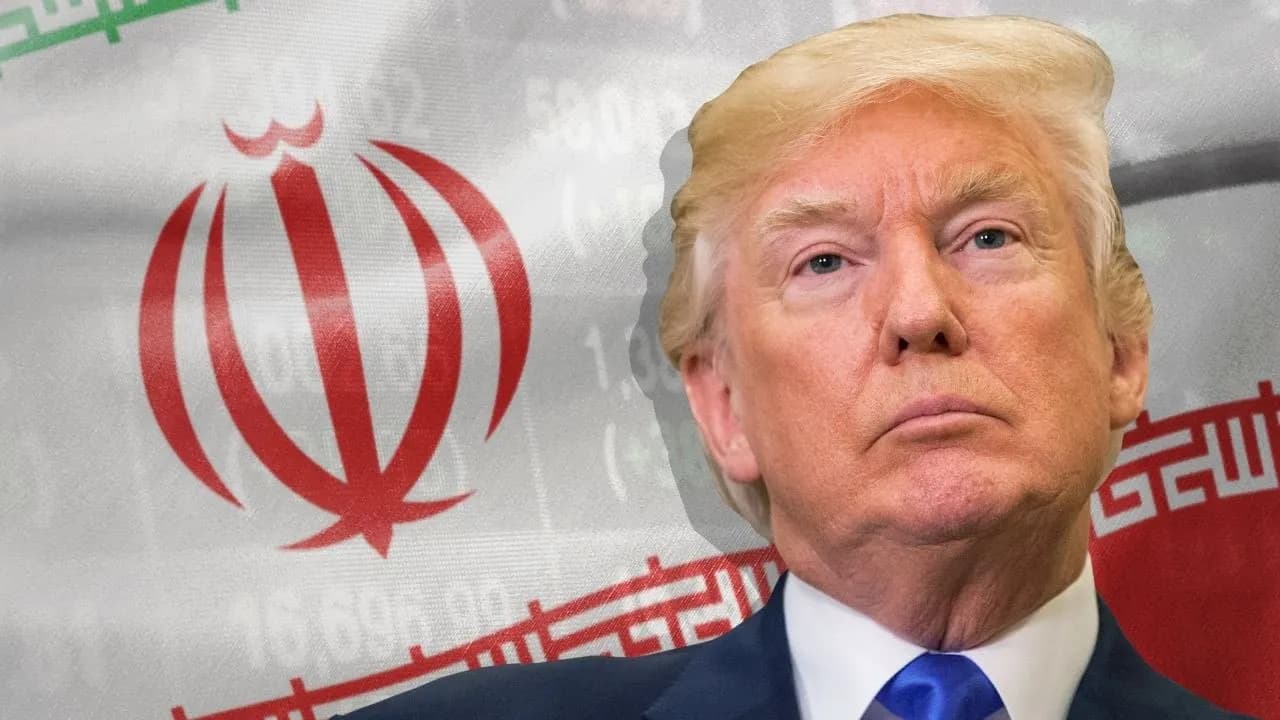
Oil prices fell sharply on Thursday amid fresh hopes for a nuclear agreement between the United States and Iran, alongside data showing a rise in U.S. crude stockpiles.
In early Asian and European trading, Brent Crude, the international benchmark, slid 3.80% to $63.52 per barrel, while West Texas Intermediate (WTI) Crude dropped by 4.12% to $60.58 per barrel.
U.S.-Iran Negotiations Spark Market Reaction
The sharp decline followed remarks by U.S. President Donald Trump, who said the U.S. was “very close” to a long-term peace agreement with Iran. He hinted that a diplomatic resolution could be reached without military confrontation.
“We’re getting close to maybe doing a deal without having to do this… There is a very, very nice step and there is the violent step, but I don’t want to do it the second way,” Trump said during a press briefing on his Middle East tour.
Shortly after, Iran’s senior security official, Ali Shamkhani, told NBC News that Tehran was prepared to resume nuclear negotiations. He said Iran could consider halting uranium enrichment if the U.S. lifts economic sanctions, a major sticking point in previous talks.
Inventory Build Adds to Bearish Sentiment
Adding further pressure on oil prices, the U.S. Energy Information Administration (EIA) reported a crude inventory increase of 4 million barrels for the week ending May 9. This followed Tuesday’s American Petroleum Institute (API) report, which also showed an unexpected build of 4.287 million barrels.
The inventory rise signaled weaker demand, intensifying the bearish sentiment already triggered by the diplomatic developments between the U.S. and Iran.
Meanwhile, in a seemingly contradictory move, the U.S. Treasury imposed new sanctions on nearly two dozen firms involved in Iran’s global oil trade. Despite this, market optimism about a potential nuclear deal appears to be outweighing the sanctions news, at least for now.