

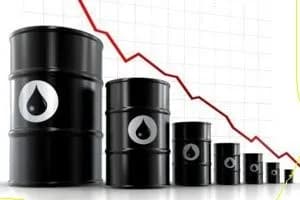
Global crude benchmarks tumbled in early trading, signalling fresh concerns over energy demand, market volatility, and the knock-on effects for oil-producing nations like Nigeria. Brent crude slid 1.72% to $66.33, West Texas Intermediate (WTI) fell 2.04% to $62.37, while Murban crude weakened by 1.34% to $70.04. Natural gas also recorded a steep dip, down 2.67% to $2.948, underscoring the broader downturn in the global energy complex.
For Nigeria, Africa’s top oil producer, these price movements are not just figures on a chart they have far-reaching implications for government revenues, foreign reserves, and the fragile local economy already pressured by inflation and foreign exchange scarcity.
WTI, Brent and Murban in Decline
The decline in WTI crude to $62.37 per barrel reflects weakening sentiment in the U.S. market. Analysts point to oversupply fears and sluggish refining margins as refiners balance inventories against a cooling demand outlook.
Brent crude, the global benchmark tied to Nigeria’s crude sales, dropped to $66.33, raising concerns for Abuja’s fiscal stability since the 2025 national budget remains benchmarked on higher price expectations. Murban crude, which competes strongly in Asian markets, also slipped to $70.04, narrowing arbitrage opportunities for exporters.
Natural Gas Dips Amidst “Decade of Gas” Ambitions
Natural gas fell sharply to $2.948, a 2.67% decline that highlights volatility in one of the fastest-growing segments of the global energy market. For Nigeria, which has declared a “Decade of Gas,” the dip adds urgency to infrastructure expansion and domestic market deepening.
While short-term weakness may spook investors, natural gas remains central to Nigeria’s energy transition agenda. Lower spot prices could benefit local power producers, but sustained declines risk dampening export revenues from LNG cargoes shipped out of Bonny Island.
Implications for Nigeria’s Oil Economy
Every dollar shift in crude prices alters Nigeria’s fiscal balance. With WTI and Brent trending downward, government revenues could tighten further, raising the spectre of increased borrowing. The naira, already strained in foreign exchange markets, faces additional pressure as dollar inflows shrink.
Beyond government coffers, independent marketers and refiners will feel the squeeze. Dangote Refinery, now a key player in Nigeria’s downstream, is closely watching global price movements as it calibrates its export and domestic supply strategy.
Outlook: Short-Term Pain, Long-Term Adjustments
The current slump underscores how oil remains vulnerable to global shocks — from sluggish Chinese demand to policy shifts in the U.S. and OPEC+ production strategies. For Nigeria, the challenge lies in balancing its dependence on crude receipts with the urgent push for gas commercialisation and renewable diversification.
If prices stabilise near current levels, Nigeria must accelerate reforms in revenue mobilisation, crude-for-infrastructure swaps, and domestic refining to cushion the economy. The lesson is clear: every slump is both a warning and an opportunity.