

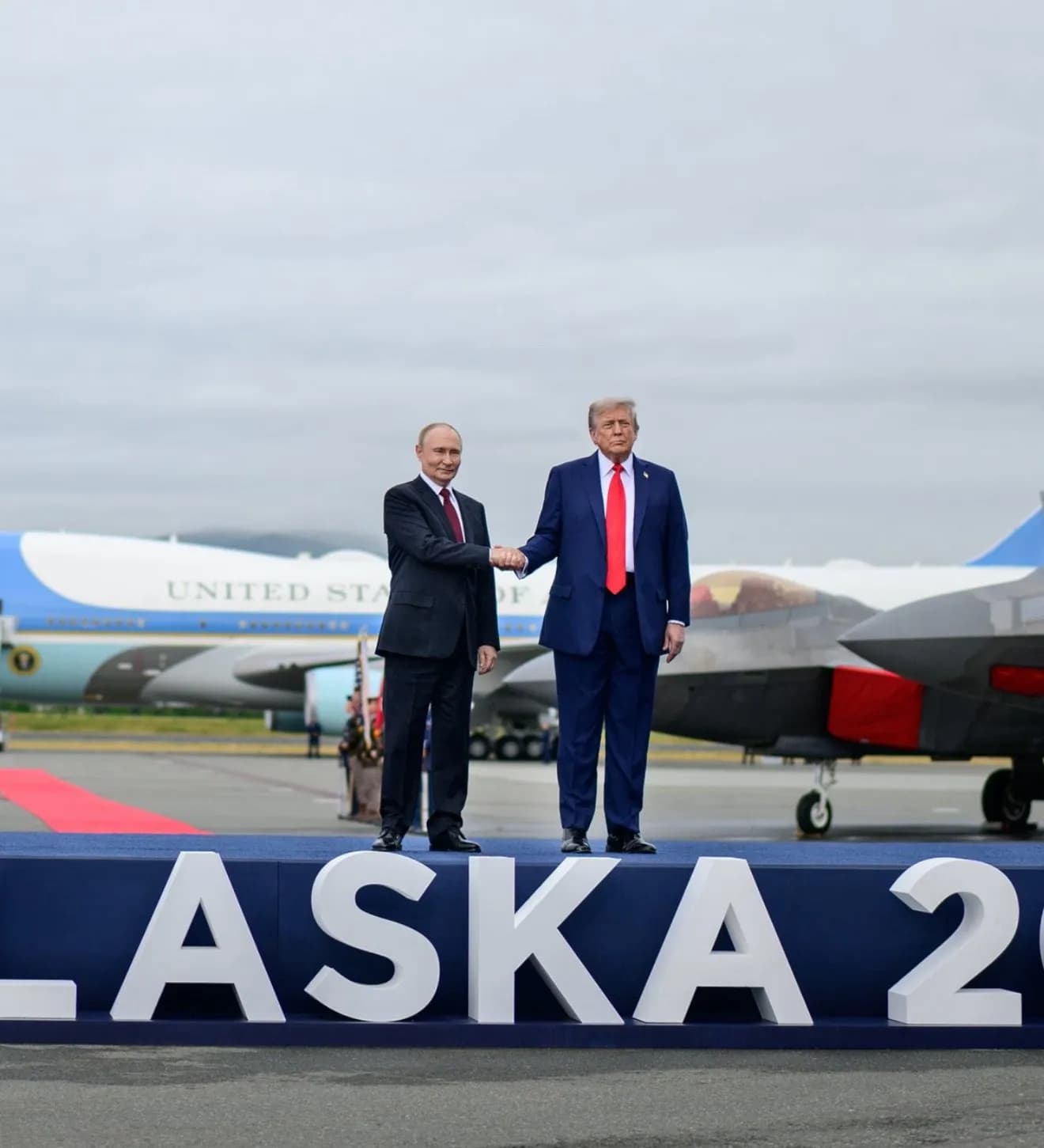
In the 24 hours before the Alaska meeting, traders bid crude higher on speculation of sanction shifts. By late morning on Aug. 14, Brent was up 1.6% near $66.7 and WTI 1.8% around $63.7 as positioning built ahead of the talks, according to intraday checks from Oilprice.com.
The meeting delivered no immediate policy change
The Anchorage summit concluded without concrete moves on Ukraine or on Russian oil export sanctions. Signals from both sides suggested further consultations rather than near-term enforcement changes, keeping supply expectations intact for now.
Prices held in a narrow mid-$60s range
With no shock to sanctioned flows or freight/insurance constraints, crude stayed range-bound into Aug. 15, reflecting a market already balancing ample OPEC+ spare capacity against softening demand. Earlier in the week, prices had even eased on headlines about the meeting itself, underscoring how event risk not fundamentals was steering short-term volatility.
Macro still leans bearish: demand cuts vs. spare capacity
Beyond geopolitics, fundamentals capped rallies. The IEA’s August report trimmed 2025–26 demand growth again and flagged a looming surplus as OPEC+ and non-OPEC supply expand an outlook that blunts any single-event price impulse unless sanctions meaningfully tighten.
What to watch next
- Sanctions path: Any U.S. “secondary” measures on key Russian buyers (e.g., India, China, Turkey) would tighten seaborne balances and widen Brent time-spreads; relief would do the opposite. ING has warned that betting on rapid détente may be “premature.”
- Structure & spreads: Watch Brent/WTI and prompt time-spreads; the recent softening in structure reflected supply comfort heading into late Q3.
- Data flow: U.S. weekly balances and any OPEC+ guidance for 2026 capacity management will set the tone more than summit optics.
Bottom line: The Alaska meeting proved high on symbolism and low on barrels. Until policy concretely alters Russian flows or demand surprises to the upside, crude likely oscillates in a mid-$60s band with headline-driven bursts of volatility.