

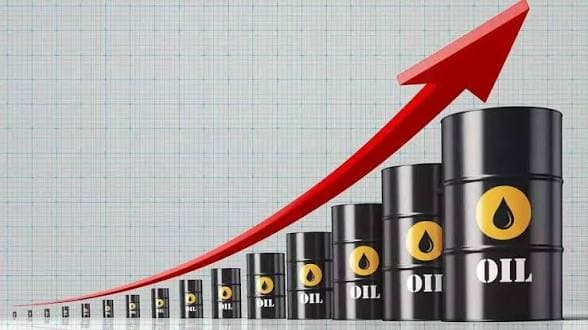
International oil prices climbed nearly 4 percent on Monday as uncertainty over the reopening of the Strait of Hormuz returned to the market, reversing much of the relief recorded last week when both major benchmarks fell sharply on expectations of a possible US-Iran agreement.
As of 4:50 p.m. WAT, Brent crude was trading at $86.68 per barrel, up 3.75 percent, while West Texas Intermediate (WTI) stood at $81.12, gaining 3.76 percent.
The renewed rally followed Iran's demand that the United States meet several conditions before restrictions on the strategic waterway are lifted. Tehran has called for an end to US military threats and sanctions, as well as compensation for war-related damages, complicating expectations of a quick return to normal shipping.
The latest movement marks a reversal from last week's decline, when Brent and WTI both fell by roughly 7 percent amid expectations that negotiations could lead to the reopening of Hormuz and restore disrupted energy flows.
The Strait remains critical to global energy markets because of the volume of crude and petroleum products that normally passes through it. Continued restrictions have therefore kept traders focused on the possibility of further supply disruptions.
The uncertainty has also begun to influence fuel markets outside the Gulf.
In the United States, average petrol prices fell by nine cents per gallon over the past week to about $4.00, from $4.09 previously, according to the American Automobile Association.
However, Patrick De Haan, head of petroleum analysis at GasBuddy, warned that the decline could prove temporary if the Strait remains restricted.
He said renewed disruption could quickly place upward pressure on fuel prices and potentially push the US national average to its highest level recorded at this point in the year.
The oil-market reaction also comes after reports last week that the Trump administration was considering restrictions on US crude and refined petroleum exports as a possible response to elevated domestic fuel prices.
The reports triggered concern within the US oil industry, although an administration spokesperson subsequently said there were no plans to ban exports of crude oil or natural gas products.
The possibility of export restrictions has nevertheless highlighted the difficulty of managing domestic fuel prices while maintaining the United States' position as a major participant in global energy trade.
US exports of distillate fuels, including diesel and fuel oil, have reached record levels, while gasoline exports have generally ranged between about 750,000 barrels per day and 1 million barrels per day.
Restricting exports could potentially increase domestic availability, but the effect on pump prices would depend on the scope of any intervention and the structure of the US refining system.
The United States produces more light, sweet crude than its refineries require, while it remains dependent on imports of heavier, sour crude grades. US refineries are configured around particular crude blends, meaning simply restricting exports of domestically produced light crude would not necessarily translate into a proportional increase in refined fuel production.
For the wider oil market, the immediate focus remains on Hormuz.
A prolonged closure would continue to constrain the movement of crude and refined products, while any credible agreement between Washington and Tehran could trigger another sharp reversal in prices.
Monday's rally therefore reflects renewed concern that the anticipated reopening of the waterway may take longer than previously expected, leaving traders to price in the possibility of continued disruption to global energy supplies.