

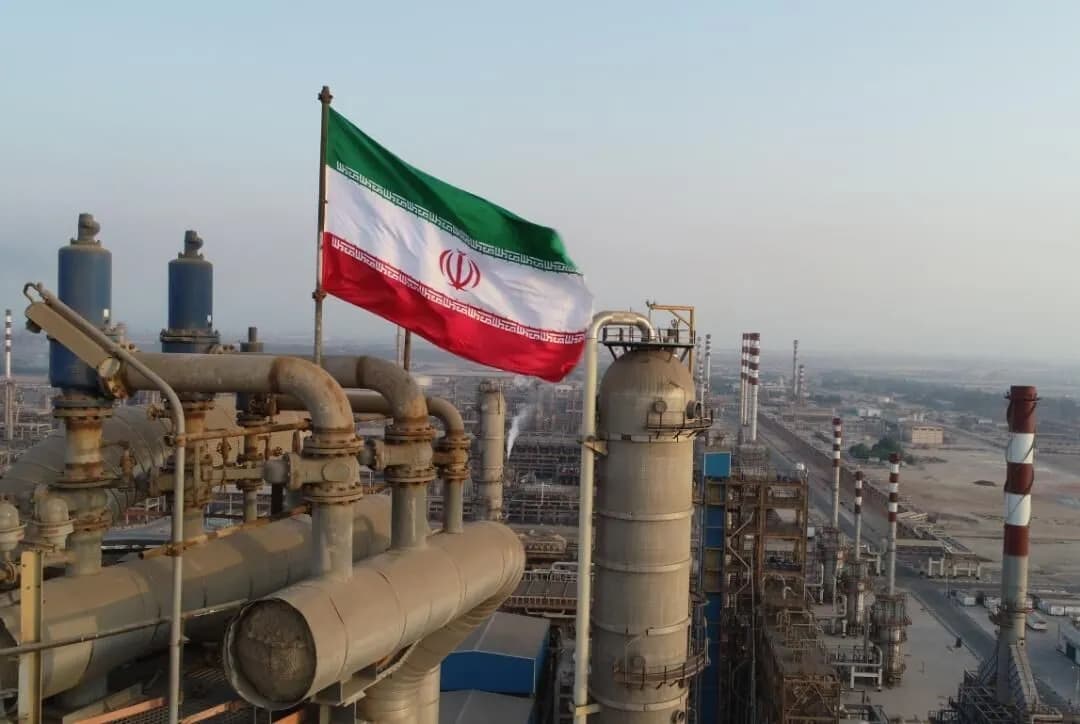
Oil futures rose sharply on Wednesday, July 2, as geopolitical and trade developments reignited bullish sentiment in global energy markets. Iran’s move to halt cooperation with the U.N. nuclear watchdog and a newly announced trade agreement between the United States and Vietnam supported the rally, though gains were capped by a surprise build in U.S. crude inventories.
As of 1:12 p.m. EDT (6:12 p.m. WAT), prices stood as follows:
- Brent Crude: $68.58 per barrel, +2.2% (+$1.47)
- WTI (West Texas Intermediate): $66.91 per barrel, +2.2% (+$1.46)
- Murban Crude: $70.18 per barrel, +2.48% (+$1.70)
- Natural Gas: $3.489 per MMBtu, +2.17% (+$0.074)
Drivers of the Market Rally
- Iran’s Defiance Over Nuclear Monitoring
Iran passed a law requiring its Supreme National Security Council to approve any inspections by the International Atomic Energy Agency (IAEA), accusing the U.N. body of bias and providing cover for Israeli strikes. Analysts say this geopolitical tension is feeding a risk premium into oil prices. “The market is pricing in some geopolitical risk premium from Iran’s move on the IAEA,” said Giovanni Staunovo, a commodity strategist at UBS. “But this is about sentiment—there are no disruptions to oil flows.” - U.S.-Vietnam Trade Deal Announced
A last-minute trade agreement between Washington and Hanoi introduced 20% tariffs on some Vietnamese exports, but markets viewed the pact as a step toward improving bilateral trade ties and regional stability, pushing oil prices higher on improved sentiment. - Crude Inventory Surprise in U.S.
According to the U.S. Energy Information Administration (EIA), crude inventories unexpectedly rose by 3.8 million barrels last week to 419 million barrels, against expectations of a 1.8 million-barrel draw. This news partially tempered the market’s rally. Meanwhile, gasoline demand fell to 8.6 million bpd, raising concerns about softening U.S. consumption during the peak summer driving season. “During summer, 9 million bpd is the line in the sand for a healthy market,” said Bob Yawger, Mizuho’s energy futures director. “We’re well below that—not a good sign.”
OPEC+ Moves Priced In
OPEC+ is expected to announce a modest output hike of 411,000 bpd at its July 6 meeting, maintaining its previous pace of supply increases. Saudi Arabia already boosted exports by 450,000 bpd in June, its largest monthly rise in over a year.
Despite that, overall OPEC+ exports have remained relatively stable since March. Analysts expect no major supply shocks.
“The expected supply increases are already priced in,” said Priyanka Sachdeva, senior market analyst at Phillip Nova.
What’s Next? U.S. Jobs Report and Fed Outlook
Market participants now await Thursday’s U.S. monthly employment data. A weaker labor report could bolster expectations of interest rate cuts in H2 2025, potentially spurring economic activity and further boosting oil demand.
“The direction of the oil market in the coming weeks will hinge on Fed policy signals,” said Tony Sycamore, an analyst at IG. “Lower rates would encourage growth, and fuel demand.”