

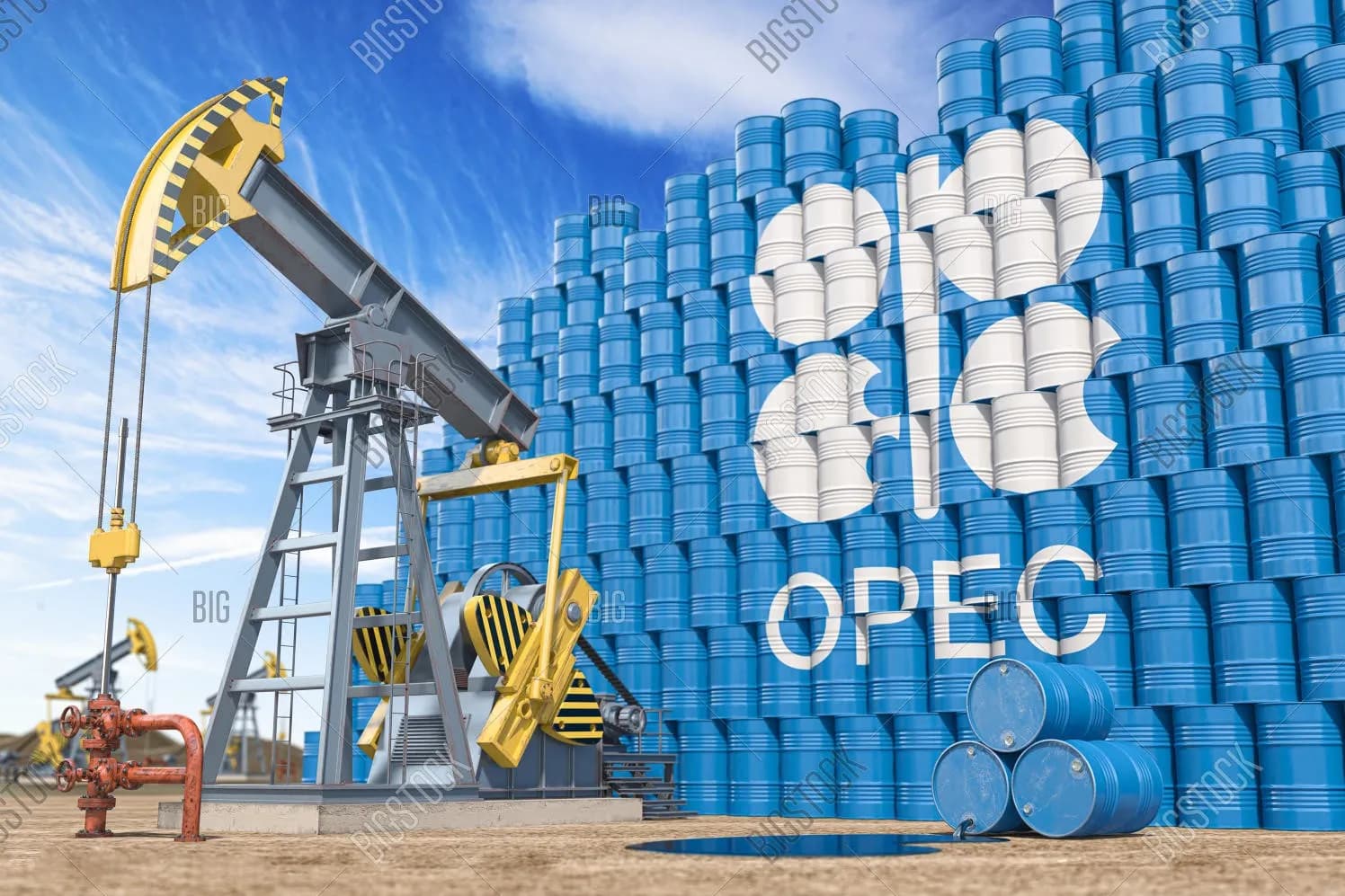
In recent times, the global oil market has witnessed a significant shift. Countries outside the Organisation of the Petroleum Exporting Countries (OPEC) are ramping up their oil production, challenging OPEC’s traditional dominance.
Non-OPEC Production on the Rise
The U.S. Energy Information Administration (EIA) has projected that U.S. crude oil production will average 13.59 million barrels per day in 2025, a slight increase from previous forecasts. Additionally, nations such as Canada, Brazil, and Guyana are boosting their oil outputs. This collective surge from non-OPEC countries is reshaping the global oil landscape.
OPEC’s Strategic Response
In response to these developments, OPEC and its allies, collectively known as OPEC+, have made strategic decisions regarding their oil production. Key members, including Saudi Arabia and Russia, have opted to delay planned increases in oil output. Originally set to commence on January 1, 2025, these increases will now begin on April 1, 2025, and will be phased in over 18 months until October 2026. This postponement aims to support oil prices amidst weaker demand and heightened competition from non-OPEC producers.
Market Implications
For consumers, these dynamics can influence fuel prices. In the U.S., for instance, gasoline prices have dropped to around $3 per gallon, the lowest in over two years. While this is beneficial for consumers, it presents challenges for oil-producing nations striving to maintain revenue and market share.
Looking Ahead
The global oil market is in a state of flux. As non-OPEC countries continue to ramp up production, OPEC faces the challenge of adjusting its strategies to retain influence. For Nigerians, these global shifts can have local impacts, potentially affecting everything from fuel prices to the broader economy. Staying informed about these developments is crucial, as the interplay between OPEC and non-OPEC producers will shape the future of the oil industry.