

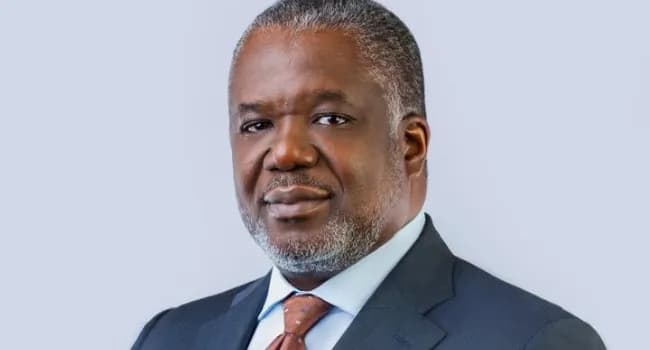
The Organisation of the Petroleum Exporting Countries (OPEC) has appointed Nigeria’s Ademola Adeyemi-Bero as the Chairman of its Board of Governors for 2024. This marks a significant milestone in Nigeria’s representation within the global oil cartel and underscores the country’s strategic role in the international energy market.
Adeyemi-Bero brings decades of experience in the oil and gas sector to this prestigious role. As the CEO of First Exploration and Petroleum Development Company, he has been pivotal in promoting indigenous participation in Nigeria’s upstream oil and gas industry. He also serves as the Chairman of the Independent Petroleum Producers Group (IPPG), an association representing over 25 indigenous exploration and production firms contributing to about 10% of Nigeria’s oil output.

OPEC’s Board of Governors and Nigeria’s Influence
The Board of Governors is OPEC’s decision-making body, responsible for setting the organisation’s agenda, reviewing its annual budget, and advising on policy matters. Adeyemi-Bero’s leadership will provide an opportunity for Nigeria to influence OPEC’s strategic decisions, particularly as the global energy landscape transitions towards cleaner energy sources. His appointment follows Nigeria’s efforts to stabilise oil production and reduce the impact of oil theft and operational inefficiencies in the Niger Delta.
Challenges and Opportunities Ahead
Adeyemi-Bero’s tenure comes at a critical time for OPEC, as the organisation grapples with volatile oil prices, fluctuating demand, and geopolitical tensions. His extensive experience with both international oil companies and local firms positions him to navigate these complexities effectively.
One of the key challenges will be addressing Nigeria’s compliance with OPEC’s production quotas, which has historically fluctuated due to operational and security issues. Adeyemi-Bero’s focus on boosting indigenous capacity and fostering collaboration between local and international stakeholders could be instrumental in addressing these concerns.
Nigeria’s Strategic Role in OPEC
Nigeria, as Africa’s largest oil producer, plays a critical role in OPEC’s policies. The country’s vast hydrocarbon reserves and its ongoing efforts to develop its gas infrastructure align with OPEC’s broader objectives of market stability and sustainable energy development. Adeyemi-Bero’s chairmanship is expected to further integrate Nigeria’s priorities within OPEC’s strategies, especially in the context of the “Decade of Gas” initiative aimed at reducing reliance on crude oil.
Global Implications
Under Adeyemi-Bero’s leadership, OPEC is expected to continue shaping the dynamics of global oil supply and demand. His focus on collaboration and innovation could influence policies that stabilise markets and encourage investments in emerging energy technologies.
In conclusion, Adeyemi-Bero’s appointment signals a new chapter in Nigeria’s engagement with OPEC, reinforcing its influence in global energy governance while addressing domestic production challenges. His extensive expertise and strategic vision are likely to play a crucial role in navigating the evolving oil and gas landscape.