

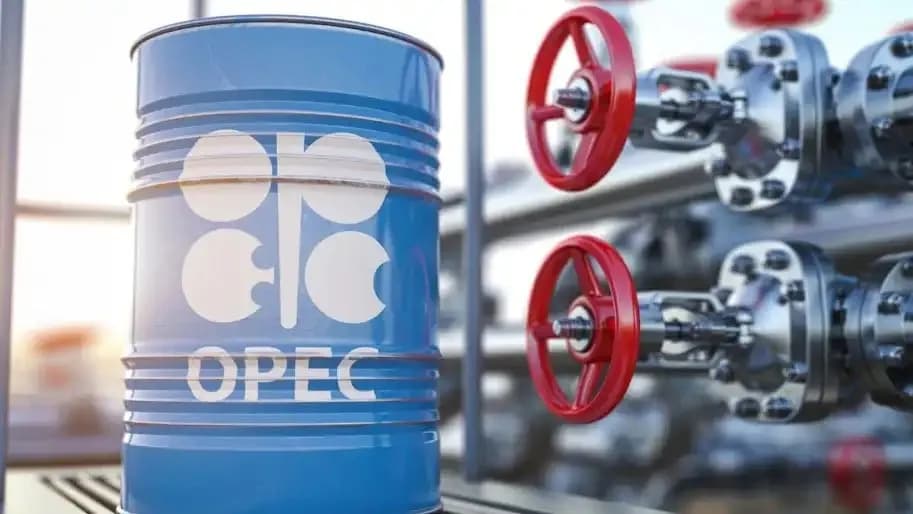
OPEC+ has started internal talks to update production baselines for 2027, even as the group prepares for another output hike in July. The expected increase, set at 411,000 barrels per day (bpd), could soften global oil prices if demand doesn’t rise in step.
According to delegates quoted by Reuters, OPEC+ may soon ask its secretariat to begin designing a new quota system. These baselines determine how much each member can produce and are crucial for future supply cuts or increases.
Members Push for Bigger Shares as Capacity Expands
Countries like the UAE, Iraq, and Kuwait are expanding their production capacity. Now, they’re seeking higher quotas to match. The UAE has already secured increased baselines for 2025 and 2026, setting a precedent others want to follow.
OPEC+ faces internal pressure to reflect this growth in future allocations. A revised quota system would help accommodate rising production without triggering disputes.
Third Straight Supply Hike May Hit Oil Prices
Separately, OPEC+ is expected to approve a 411,000 bpd production boost for July. If confirmed, this will be the third straight monthly hike. The increase would also triple the group’s originally planned volume for this period.
Analysts believe the group is responding to seasonal demand growth, especially during summer. However, they also warn that more supply could weaken prices if demand slows or underperforms expectations.
“An increase in supply at a time of subdued economic activity could exert further downward pressure on prices,” an oil market analyst told Petroleumprice.ng.
Saudi Arabia Tightens Discipline, Tests Shale’s Limits
Saudi Arabia, OPEC’s most influential member, appears to be using supply hikes strategically. On one hand, it’s keeping overproducing members in check. On the other hand, it’s challenging the U.S. shale industry.
U.S. shale producers are already cutting back drilling due to weak prices. Many operate near breakeven, and further price drops could stall future expansion. Saudi Arabia may see this as an opening to protect OPEC’s market share.
Rising Supply, Flat Demand Could Weaken Prices
Oil prices remain vulnerable. Brent crude is currently trading near key support levels. If OPEC+ adds more supply and global demand stays weak, analysts say prices could drop below $80 per barrel.
Such a move would strain budget-heavy producers. It may also push traders into a more bearish outlook, especially if economic data in key markets shows further weakness.
OPEC+ Walks a Tightrope
OPEC+ now faces a delicate balancing act. It must reward members with more capacity, maintain group unity, and avoid triggering a price crash.
As 2027 quota talks begin and the July supply hike nears approval, oil markets are watching closely. Even a modest increase could reshape pricing dynamics if demand doesn’t keep up.