

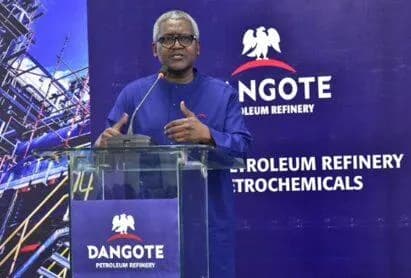
Nigeria’s fuel price hike has sparked widespread concerns, with many pointing fingers at oil producers, particularly local operators like Dangote Refinery. However, OPEC Secretary General Haitham Al Ghais has set the record straight, revealing that taxes imposed by governments, including those of major oil-consuming nations, are primarily responsible for the high fuel prices.
“Revenues are often generated, but they are predominantly earned by major oil-consuming countries through taxation,” Al Ghais highlighted, debunking the myth that rising oil prices directly benefit oil producers at the expense of consumers.
In reality, countries within the Organisation for Economic Co-operation and Development (OECD) earn substantially more from the retail sale of petroleum products than OPEC member countries make from the sale of crude oil itself. Between 2019 and 2023, OECD nations earned approximately $1.915 trillion more annually than OPEC nations from petroleum products.
Taxes account for a significant portion of the final retail price of petroleum products. In 2023, taxes made up around 44% of the final retail price in OECD countries, and in some European countries, this figure exceeded 50%.

Al Ghais emphasised, “It is important to recognize that the price paid by consumers at the pump is determined by multiple factors, including crude oil prices, refining, transportation, and, notably, taxes”.
The UK, for instance, expects to generate £24.7 billion in revenue from fuel duties in 2023-24, amounting to 2.2% of all receipts. This highlights the global trend of governments leveraging petroleum products for revenue generation.
While oil-producing nations do earn revenue from oil sales, a significant portion is reinvested into exploration, production, and infrastructure projects to ensure the continuous flow of supply to consumers worldwide.
Al Ghais called for a shift away from the narrative that pits consumers against producers, emphasising that both groups are stakeholders in the energy ecosystem. The current fuel price crisis in Nigeria serves as a stark reminder of the complexity behind fuel pricing, where taxes, rather than oil producers, bear much of the responsibility for what Nigerians pay at the pump.