

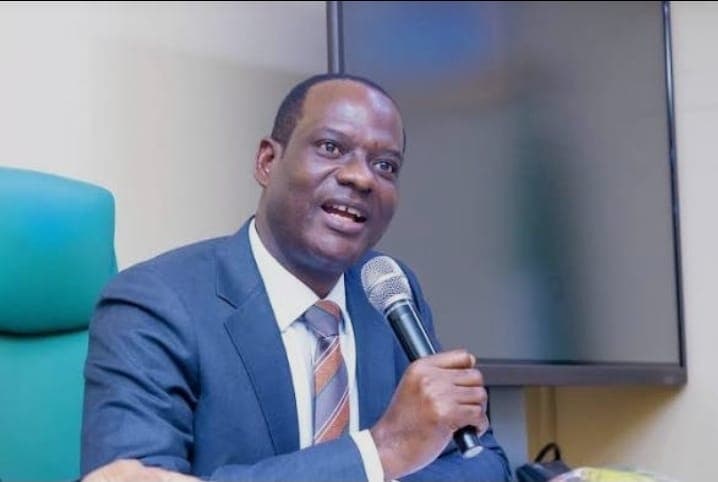
Minister of Finance and Coordinating Minister of the Economy, Taiwo Oyedele, has warned that reinstating petrol subsidy could trigger capital flight and weaken the naira to between N3,000 and N4,000 per dollar.
Oyedele gave the warning on Monday at a press briefing during the International Monetary Fund and World Bank Annual Meetings in Bangkok, Thailand.
He said investors were concerned about the Federal Government’s commitment to economic reforms ahead of the next election cycle, adding that any indication of a possible subsidy reversal could immediately unsettle financial markets.
“If, for any reason, the President were to say we are merely considering the return of fuel subsidy, capital would react immediately,” the minister said.
He warned that capital flight could extend beyond foreign investors to wealthy Nigerians and business owners seeking to move their funds into dollar-denominated assets, increasing pressure on the naira.
Oyedele added that a weaker naira would raise the cost of imported goods, including petroleum products, potentially making petrol more expensive despite efforts to subsidise it.
He also dismissed suggestions that the Nigerian National Petroleum Company Limited’s temporary reduction in petrol retail margins amounted to a return to subsidy.
According to him, reducing profit margins is a commercial decision and does not constitute a subsidy funded by public resources.
President Bola Tinubu announced the removal of petrol subsidy during his inauguration on May 29, 2023, declaring that “subsidy is gone”.
The administration subsequently pursued foreign exchange reforms, including measures by the Central Bank of Nigeria to allow the naira to trade more freely against other currencies at the Investors and Exporters window.