

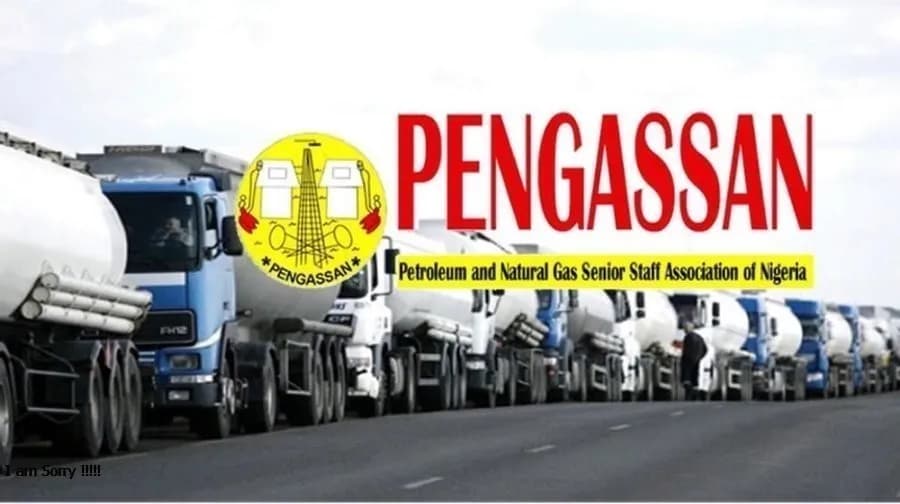
The Federal Government has successfully resolved the labour crisis between Dangote Petroleum Refinery and the Petroleum and Natural Gas Senior Staff Association of Nigeria (PENGASSAN). The settlement has ended a dispute that threatened Nigeria’s fuel supply stability.
After two days of reconciliation meetings on September 29 and 30, both parties signed a communique. As a result, more than 800 disengaged workers will return to employment in other Dangote Group companies without losing pay or benefits.
Why the Strike Began
The conflict began after PENGASSAN directed its members to stop gas supply and withdraw services from the refinery. The action followed the dismissal of over 800 workers, which the union argued undermined workers’ rights.
However, Dangote Refinery explained that the disengagement came from a company-wide reorganization. Consequently, the move was not intended to target union members but to restructure operations.
FG’s Role in the Settlement
The Minister of Labour and Employment, Dr. Mohammed Maigari Dingyadi, initiated the talks when tensions escalated. He reminded both sides that unionisation is a legal right in Nigeria and must be respected.
In addition, the reconciliation effort attracted high-level participants, including:
- The National Security Adviser
- The Minister of Finance and Coordinating Minister of the Economy
- The Minister of Budget and Economic Planning
- The Minister of State for Labour and Employment
- The Minister of State for Petroleum Resources (Gas)
- Directors-General of the DSS and NIA
- Permanent secretaries from the petroleum and labour ministries
- Chief executives of NMDPRA and NUPRC
- Representatives of NNPCL
- The Secretary General of the TUC
- Leaders of PENGASSAN
Their presence underlined the seriousness of the dispute and the government’s determination to prevent fuel supply disruptions.
Key Outcomes of the Meeting
The lengthy discussions produced a five-point resolution. Importantly, the agreement addressed both immediate and long-term concerns:
- Reabsorption of Workers: Dangote Group will redeploy all disengaged workers to other subsidiaries across the conglomerate, while salaries and benefits remain intact.
- Respect for Union Rights: The Ministry of Labour reaffirmed that workers have a constitutional right to unionise, and the management must honour this.
- No Victimisation: Neither Dangote nor PENGASSAN will punish or discriminate against staff who participated in the standoff.
- Strike Suspension: PENGASSAN agreed to start the process of calling off its strike.
- Good Faith Implementation: Both parties pledged to implement the agreement sincerely and without delay.
Implications for Nigeria’s Energy Supply
The dispute initially raised fears of fuel shortages and potential disruptions in power generation. This concern was significant because of the refinery’s strategic role in Nigeria’s energy sector. Although the Federal Government repeatedly assured citizens of stable supply during the strike, experts warned that a prolonged standoff could have worsened scarcity and undermined economic stability.
With the agreement now in effect, industrial peace has been restored. Nevertheless, analysts caution that structural issues in labour relations within the oil and gas sector remain unresolved. Therefore, the risk of similar disputes in the future cannot be ruled out.