

For decades, Nigeria relied on its state-owned refineries to anchor energy security and cut dependence on imported fuel. Instead, they have become one of the most expensive symbols of inefficiency in the nation’s oil and gas sector.
Fresh disclosures from the Nigerian National Petroleum Company Limited show that between 2023 and 2024 alone, the country poured an estimated ₦13.2 trillion into the Port Harcourt, Warri and Kaduna refineries facilities that remained largely idle, loss-making and commercially unviable. Even more striking, NNPCL’s current leadership has now publicly admitted what many Nigerians long suspected: the spending delivered little value.
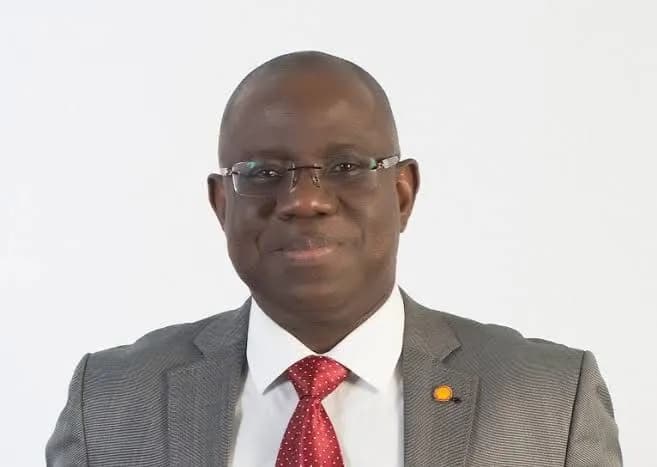
Speaking at the Nigeria International Energy Summit 2026 in Abuja, NNPCL Group Chief Executive Officer, Bashir Bayo Ojulari, described the refineries as operating at a “monumental loss”, confirming that continued funding amounted to economic waste rather than strategic investment.
Billions sunk, no commercial return
NNPCL’s audited financial statements paint a grim picture. In 2023, the three refineries collectively owed the national oil company about ₦4.52 trillion. By the end of 2024, that figure had ballooned to ₦8.67 trillion, bringing the two-year total exposure to roughly ₦13.2 trillion.
According to the accounts, the rising balances reflected funding for turnaround maintenance, operational expenses, staffing, security and mounting bank charges. However, despite these injections, none of the refineries generated meaningful revenue capable of offsetting the costs.
The Port Harcourt refinery absorbed the largest share of the funding. Its liabilities jumped from ₦1.99 trillion in 2023 to ₦4.22 trillion in 2024, with no receivables recorded in either year. This indicates that money spent on rehabilitation did not translate into sustained refining output or sales.
At the Warri refinery, obligations rose from ₦1.17 trillion to ₦2.06 trillion within a year. Any internal receivables recorded in 2023 disappeared entirely by 2024, underscoring the collapse of operational activity.
Meanwhile, the Kaduna refinery, long hampered by security challenges and pipeline constraints, saw its debt climb from ₦1.36 trillion to ₦2.39 trillion, largely due to continued maintenance spending without production.
‘We were just leaking value’ — Ojulari
Ojulari’s comments marked one of the clearest admissions yet from NNPCL leadership that the refinery strategy had failed commercially. According to him, crude oil was supplied to the facilities regularly, yet utilisation hovered between 50 and 55 per cent, far below sustainable levels.
“We were pumping crude into the refineries every month,” he said. “But when you look at the net position, we were just leaking away value.”
Crucially, Ojulari explained that what alarmed the new management team was not just the losses, but the absence of a credible recovery path. Unlike capital-intensive projects that incur early losses before turning profitable, the refineries offered no clear line of sight to commercial viability.
Public frustration, he admitted, was justified. Trillions of naira had been committed over the years, expectations were high, and yet fuel scarcity and import dependence persisted.
That reality informed one of the first major decisions under his leadership: halting refinery operations to stop further financial erosion and allow for a full reassessment of the assets.
Shutdowns, scepticism and what comes next
The decision follows a cycle of high-profile reopenings and abrupt shutdowns. The old Port Harcourt refinery, with a nameplate capacity of 60,000 barrels per day, briefly resumed operations in late 2024, with NNPCL’s former GCEO, Mele Kyari, claiming utilisation of up to 70 per cent. Within months, the facility shut down again.
The Warri refinery, declared operational in December, also went comatose barely weeks later. Plans to revive the Kaduna refinery never materialised before Kyari exited office.
Industry scepticism has remained strong. Aliko Dangote previously warned that government-owned refineries might never work again despite more than $18 billion reportedly spent on rehabilitation. Former President Olusegun Obasanjo echoed similar doubts, questioning the logic behind repeated revival efforts.
While private sector groups have urged NNPCL to sell off the refineries, Ojulari has rejected that option, insisting the assets will still deliver value. For now, however, Nigerians are left with hard numbers that tell a sobering story: ₦13.2 trillion spent, minimal output, and no sustainable returns.
Whether the refineries can be restructured into viable assets or remain permanent drains on public resources will define one of the most critical chapters in Nigeria’s downstream oil sector.