

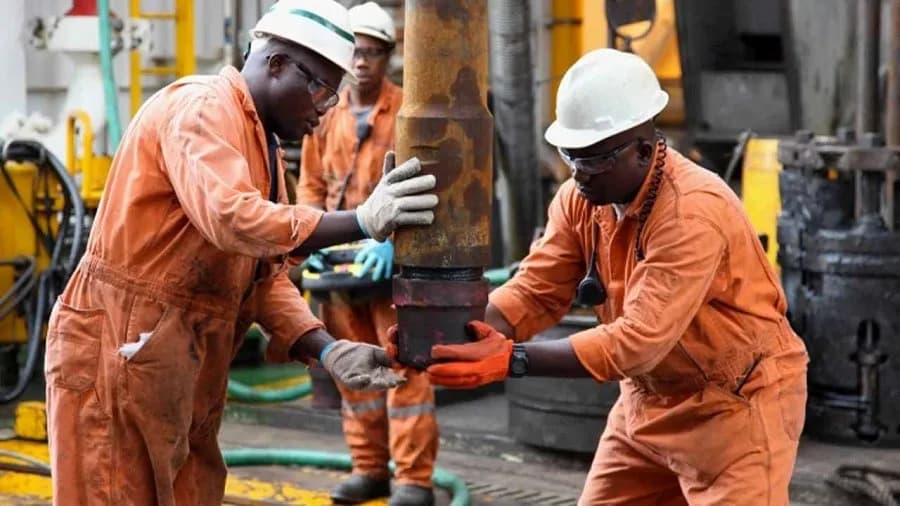
Petrol, also known as gasoline in many regions, fuels more than just cars. It drives transportation, sustains industrial growth, and anchors Nigeria’s energy economy. To fully grasp its impact, it’s crucial to explore how petrol is made, from crude oil to the final product used daily.
Understanding Petrol Production: From Crude Oil to the Pump
1. Crude Oil Extraction – The First Step
Every journey in the production of petrol starts deep underground. Oil companies actively extract crude oil, a thick dark liquid from Nigeria’s Niger Delta and offshore fields. Given its large reserves, Nigeria consistently ranks as one of Africa’s top producers.
2. Transporting Crude to Refineries
Next, these companies move the extracted crude to local refineries. In Nigeria, pipelines, trucks, and coastal tankers all play vital roles. Refineries such as Dangote and NNPC take over at this point to begin the refining process.
3. Refining the Crude into Petrol
At the refinery, engineers heat the crude oil during fractional distillation. This step separates its components by boiling point. As a result, the lighter fraction of petrol emerges between 40°C and 205°C. This is the heart of petrol: how it is made.
4. Blending and Adding Enhancers
After distillation, technicians blend the petrol with other hydrocarbons and essential additives. These include detergents and octane boosters that enhance performance and prevent engine issues. Consequently, the fuel becomes both cleaner and more efficient.
5. Distributing to Filling Stations
Finally, marketers transport the finished product to depots and fuel stations across Nigeria. From these locations, the fuel reaches the motorists, households, and industries that depend on it daily.
Main Uses of Petrol Across Nigeria
1. Powering Vehicles Nationwide
Naturally, petrol powers cars, buses, motorcycles, and tricycles (keke) that move millions of Nigerians every day. It remains a vital part of national mobility.
2. Generating Power for Homes and Businesses
Due to unreliable electricity supply, many Nigerians rely on petrol generators. These devices provide essential backup power for homes, shops, schools, and health clinics.
3. Running Industrial Equipment
Petrol fuels machines in small and medium-sized enterprises. Whether in fabrication, tailoring, or food processing, its role proves essential in day-to-day operations.
4. Supporting Agriculture in Rural Areas
Farmers also rely on petrol to run water pumps, tillers, and processing tools. This application helps boost productivity in areas beyond the power grid.
5. Powering Critical Backup Systems
Petrol-powered generators serve as backup in hospitals, telecom towers, and offices, ensuring continuous operation during power outages.
Why Locally Refined Petrol Matters
Clearly, petrol: how it is made and distributed affects much more than transportation. Its price and availability influence everything from inflation to food costs. Therefore, achieving a steady, locally refined supply becomes critical.
Thanks to new output from Dangote Refinery, Nigeria can now reduce its reliance on petrol imports. This change could stabilize pump prices and strengthen energy independence.
Final Thoughts on Petrol: How It Is Made and Why It’s Crucial
By understanding petrol: how it is made, we recognize its deep integration into everyday life. From extraction to distribution, each step carries national significance.
As Nigeria upgrades its refining capacity and reforms the downstream sector, mastering the process of how petrol is made will remain essential for energy security and economic resilience