

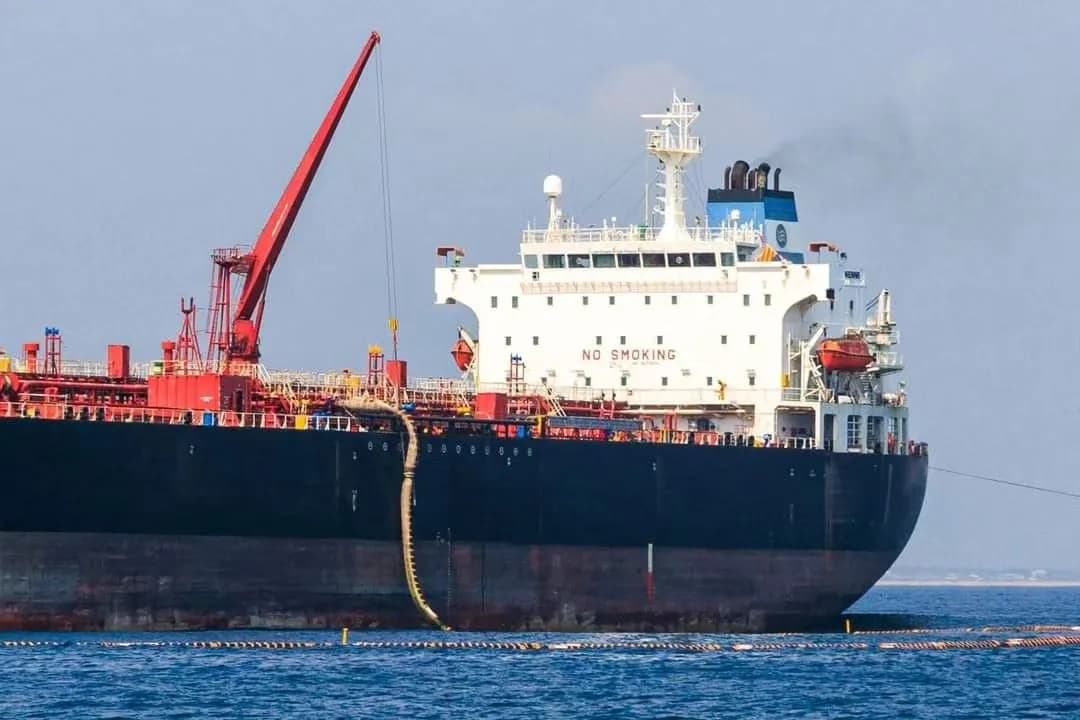
Nigeria’s petrol import bill has dropped sharply, saving the country over ₦2 trillion in the first quarter of 2025. According to the National Bureau of Statistics (NBS), petrol imports fell to ₦1.76 trillion, compared to ₦3.81 trillion during the same period last year a massive 54% drop.
The decline follows increased supply from the Dangote Refinery, which has been ramping up operations and gradually reducing Nigeria’s reliance on imported petrol.
From Heavy Importer to Partial Supplier
For years, Nigeria depended almost entirely on imported petrol to meet daily fuel demand. In fact, between 2020 and 2024, petrol import bills kept rising from ₦732 billion in Q1 2020 to a record ₦3.81 trillion in Q1 2024.
Now, things are beginning to change. With Dangote Refinery supplying the market, petrol imports are back to pre-2022 levels.
“This is the clearest sign yet that local refining is starting to work,” one analyst said.
Dangote Refinery Changes the Game
With a massive 650,000 barrels per day capacity, the Dangote Refinery is now supplying most of Nigeria’s needs, even though it’s operating below full capacity.
So far, the refinery runs at about 85% of its installed capacity, which has already helped crash depot prices in Lagos to as low as ₦860 per litre in early 2025.
Though it faced early challenges like having to stop naira sales in March due to foreign exchange issues, the government has since stepped in to resolve those bottlenecks.
“Dangote’s refinery has brought competition into the downstream market,” a depot marketer in Lagos said. “We now get cleaner fuel locally, faster.”
What NBS Report Shows
The NBS foreign trade report also highlights key trends:
- Petrol was the most imported item from ECOWAS countries, accounting for ₦89.18 billion (44.5%) of Nigeria’s total imports from the subregion in Q1 2025.
- Across West Africa, petrol made up 41.86% of Nigeria’s total trade inflow.
- From all of Africa, petrol still contributed 11.63% of Nigeria’s imports.
This means that while local refining has reduced dependence, Nigeria still imports a huge amount to plug supply gaps.
Other Petroleum-Based Imports
Petrol wasn’t the only major petroleum-based product Nigeria brought in. According to the NBS:
- Gas oil (diesel) imports from ECOWAS stood at ₦23.15 billion
- Petroleum bitumen, used for road construction, came in at ₦20.58 billion
Despite efforts to boost local refining, these numbers show that the downstream sector is still in transition.
Beyond Petrol: Dangote’s Impact on Prices
The Dangote Refinery has also influenced pump prices. As of early June 2025:
- Retail petrol prices in Lagos dropped from over ₦1,050 to ₦860–₦900/litre in some depots.
- Diesel prices also declined due to better supply coordination.
However, marketers say global oil prices, forex, and distribution costs still affect pump prices.
Final Thoughts
Nigeria’s drop in petrol imports is a big step toward energy independence, but there’s still more to do. With the state-owned refineries still under review, the pressure is on Dangote Refinery to meet demand.
The hope is that by the end of 2025, more domestic refineries will come onstream, reducing costs further and giving Nigerians real relief at the pump.
For now, this 54% drop in petrol imports signals that Nigeria is finally turning the corner after decades of fuel dependence.
Stay informed with Petroleumprice.ng your source for real-time oil prices, fuel updates, and tanker reports.