

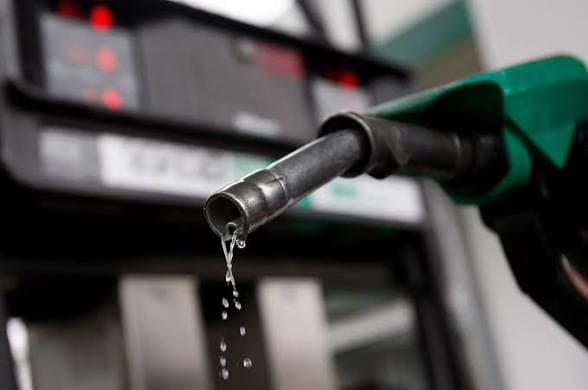
Nigeria's estimated landing cost of imported Premium Motor Spirit (PMS) increased by ₦47.78 per litre within six days, rising from ₦1,134.72 per litre on July 9 to ₦1,182.50 per litre on July 15, as higher international crude prices, rising freight charges and exchange rate pressures combined to increase the cost of fuel imports.
An exclusive analysis by Petroleumprice.ng of successive energy bulletins released by the Major Energies Marketers Association of Nigeria (MEMAN) showed that the import parity benchmark for petrol continued to trend upward over the review period, reflecting mounting pressure on import costs.
According to the latest MEMAN bulletin, the estimated import parity price for PMS rose from ₦1,134.72 per litre on July 9 to ₦1,182.50 per litre on July 15. The association's secondary import parity benchmark also increased from ₦1,135.73 per litre to ₦1,183.50 per litre during the same period.
The increase coincided with a rebound in international crude oil prices. MEMAN's seven-day average showed Brent crude rising from $73.71 per barrel to $79.64 per barrel, an increase of $5.93 per barrel over the period. West Texas Intermediate (WTI) also advanced from $70.41 to $75.65 per barrel.
Import costs were further pressured by higher international shipping rates.
According to the latest market intelligence from S&P Global Commodity Insights, freight rates for clean petroleum products shipped from Northwest Europe to West Africa increased by about 25 percent within weeks, rising from $29.70 per metric tonne at the end of June to $37.12 per metric tonne. The increase reflects tightening vessel availability as ships were redirected to alternative trading routes following renewed security concerns around the Strait of Hormuz, raising the overall cost of delivering imported fuel into West Africa.
Foreign exchange movements also added to import costs. MEMAN's seven-day average exchange rate weakened slightly from ₦1,373.47 per dollar on July 9 to ₦1,379.68 per dollar on July 15, further increasing the naira cost of imported petroleum products.
The higher import parity figures were reflected in wholesale market prices across major supply hubs.
In Lagos, PMS ex-depot prices increased from a range of ₦1,072.00–₦1,075.50 per litre on July 9 to between ₦1,120.00 and ₦1,200.00 per litre by July 15. Port Harcourt prices rose from ₦1,138.00–₦1,150.00 per litre to ₦1,230.00–₦1,245.00 per litre, while Warri moved from ₦1,100.00–₦1,125.00 per litre to ₦1,200.00–₦1,230.00 per litre. In Calabar, ex-depot prices also increased from ₦1,155.00–₦1,170.00 per litre to between ₦1,200.00 and ₦1,230.00 per litre.
The report comes as the downstream market continues to adjust to Dangote Petroleum Refinery's transition to dollar-denominated sales for petroleum products, a development that has altered replacement cost calculations for marketers and coincided with broader increases in depot prices.
Despite the recent increases, MEMAN's regional pricing comparison continued to rank Nigeria as having the lowest petrol pump price among the West African countries covered in its survey, with PMS retailing at an average of ₦1,156 per litre.
The latest data indicate that rising crude oil prices, higher freight charges, modest exchange rate depreciation and changing downstream supply dynamics are collectively increasing the cost of petrol imports into Nigeria. If these market conditions persist, import parity prices could remain elevated, sustaining pressure on wholesale fuel prices in the coming weeks.