

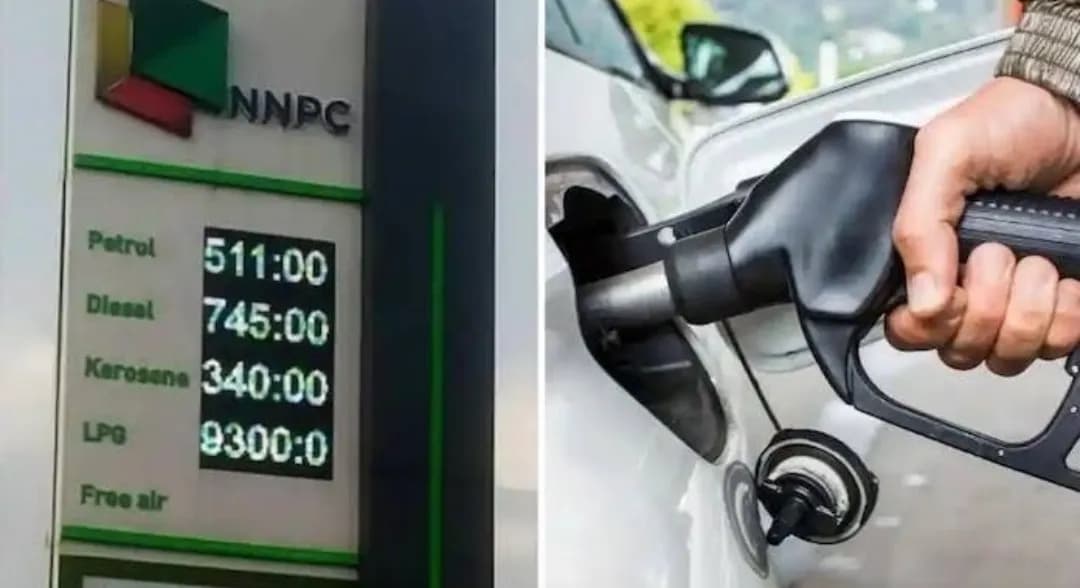
The Independent Petroleum Marketers Association of Nigeria (IPMAN) has announced that petrol will now sell at ₦935 per litre across the country, starting Monday. This new price comes after the Dangote Refinery reduced its ex-depot price to ₦899.50 per litre.
IPMAN’s National President, Maigandi Garima, explained that the reduction is part of a new pricing arrangement designed to ensure uniform petrol prices nationwide. “This initiative allows marketers to sell at ₦935 per litre, covering logistics costs of ₦36 per litre,” Garima stated.
Petrol Supply and Competition
Over 30,000 IPMAN members are preparing to load petrol from both the Dangote Refinery and the Port Harcourt Refinery. This follows the price reduction to ₦899 at the depots. Some petrol stations in Lagos, including MRS and BOVAS, have already dropped prices to between ₦950 and ₦980 per litre, with further reductions expected.
The competition between Dangote Refinery and the Nigerian National Petroleum Company Limited (NNPCL) is driving these price cuts. NNPCL recently slashed its depot price from ₦1,020 to ₦899, intensifying the race to attract buyers.
Benefits of Price Competition
Chinedu Ukadike, IPMAN’s National Publicity Officer, highlighted the advantages of this competition. He said, “The reduced prices show the benefits of a deregulated market. Multiple suppliers mean better pricing for consumers and an understanding of the true costs of petrol production and logistics.”
PETROAN (Petroleum Products Retail Outlet Owners Association of Nigeria) is also partnering with MRS to sell petrol at ₦935 per litre nationwide. Billy Gillis-Harry, PETROAN’s President, said the partnership ensures smooth product supply and reduces costs for consumers.
Dangote Refinery’s Progress
Meanwhile, the Dangote Refinery is operating at 85% capacity, producing 550,000 barrels per day. According to Edwin Devakumar, the refinery’s head, it aims to deliver high-quality petrol that meets European standards by January.
With these developments, consumers can expect more competitive prices and better fuel availability during the festive season.