

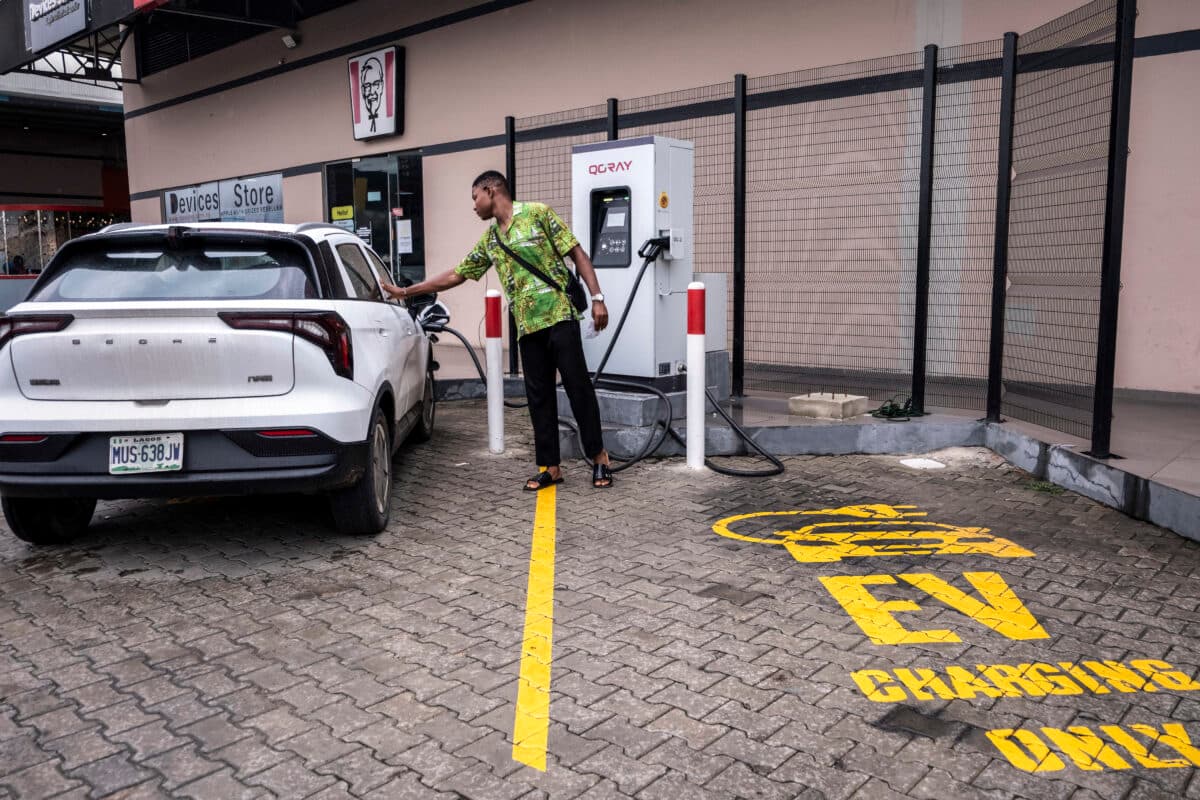
Global sales of petrol-powered vehicles have fallen below half of new vehicle sales for the first time, as the Strait of Hormuz crisis and elevated gasoline and diesel prices accelerate the shift towards electric vehicles (EVs).
According to data from automotive data and analytics provider Mobility Global, cited by Oilprice.com, sales of petrol-powered vehicles excluding hybrids fell 10% year-on-year to 20.25 million units between January and June, reducing their share of global new vehicle sales by three percentage points to 49%.
The development marks a significant shift in the global automobile market, with high fuel costs emerging as a stronger incentive for consumers to consider battery electric vehicles and hybrids, particularly in markets outside China where EV adoption had previously been slower.
The impact has been particularly pronounced in Europe. Battery electric vehicle sales across Europe, including the United Kingdom, Switzerland and Norway, jumped 52.2% year-on-year in August, according to the European Automobile Manufacturers’ Association.
Germany recorded an even sharper increase, with battery electric vehicle sales surging 75% in August as petrol prices reached a record €2.31 per litre. In France, electric vehicle sales more than doubled during the month.
The wider global trend also accelerated in the second quarter, when electric vehicle sales rose 35% from the first quarter, according to the International Energy Agency. The agency attributed the rebound partly to the energy crisis triggered by the war in the Middle East, which brought fuel-price volatility back into focus for consumers.
EV sales reached record levels in 50 countries during the second quarter, while markets including Brazil, India, Australia and Vietnam recorded roughly a doubling in electric vehicle sales between March and June compared with the same period in 2025. About 90 countries recorded year-on-year growth in EV sales during the first half of 2026.
For oil and gas markets, the development points to a potential longer-term consequence of sustained crude and refined-product price volatility. While high fuel prices do not automatically guarantee a permanent shift away from internal combustion engines, prolonged disruptions to oil supplies could strengthen the economic case for electrification and accelerate investment in charging infrastructure and battery supply chains.
Analysts at Wood Mackenzie expect the accelerated EV adoption triggered by higher oil and fuel prices to remain a feature of global markets, although significant constraints remain, particularly the need for investment in critical battery minerals and charging networks. The longer the Hormuz crisis disrupts global fuel markets, the greater the potential pressure on consumers and automakers to accelerate the transition away from petrol-powered vehicles.