

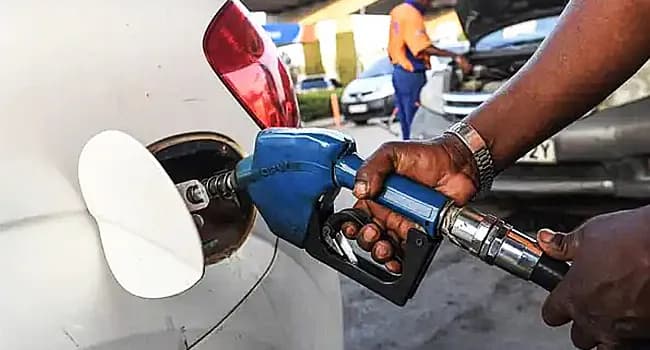
The price of Premium Motor Spirit (PMS), commonly known as petrol, has dropped by over ₦300 per litre at filling stations nationwide. This reduction comes as marketers increase supplies, responding to the declining landing costs of fuel imports.
Current Petrol Prices
Recent surveys reveal that petrol now sells between ₦1,120 and ₦1,125 per litre at many stations, a substantial decrease from the previous range of ₦1,400 to ₦1,500 per litre. The price drop has been observed in major cities, with some stations reporting reduced queues as more petrol becomes available.
Why Prices Are Falling
- Increased Supply: Independent marketers have ramped up the distribution of petrol, easing the supply constraints that previously drove prices higher.
- Lower Landing Costs: The cost of importing fuel has reduced to about ₦935.94 per litre, while aviation fuel has also dropped to ₦1,117.48 per litre, thanks to favourable global market conditions and logistics.
- Improved Market Dynamics: Government monitoring and interventions have encouraged competition among marketers, ensuring better pricing for consumers.
Impact on the Market
Godwin Ekpo, Chairman of the Petroleum Product Monitoring Committee, noted that steady sales at major stations, such as those run by the Nigerian National Petroleum Company (NNPCL), have influenced independent marketers to lower their prices. Increased availability has also reduced pressure on key urban centres, creating a more balanced distribution network.
Regional Pricing Differences
According to the National Bureau of Statistics, petrol prices vary by region. Northern states like Yobe, Sokoto, and Kebbi enjoy the lowest average prices, ranging from ₦939.38 to ₦986.67 per litre, while the North-West zone records the highest average at ₦1,036.52 per litre. These variations reflect differences in logistics and proximity to supply hubs.
Looking Ahead
As landing costs continue to stabilise, more adjustments in pump prices are expected. Major marketers and the government have assured the public of sustained efforts to ensure consistent supply, which could further drive prices down.
This drop in petrol prices is a relief for millions of Nigerians facing high transportation and living costs. Continued monitoring and regulation will be crucial in maintaining affordability and preventing price hikes in the future.