

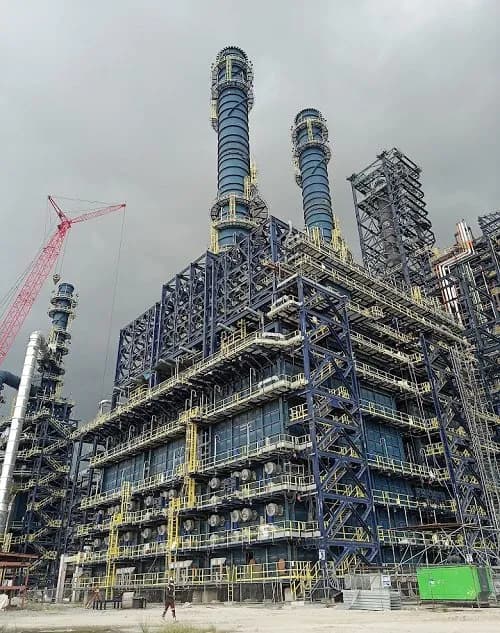
Nigeria’s fuel market is experiencing significant price reductions, spurred by increased competition between the Dangote Refinery and independent importers. This trend is reshaping the dynamics of the downstream sector, offering relief to consumers while intensifying market challenges.
Dangote PMS Pricing Trend
An analysis of Dangote Refinery’s pricing over the past weeks reflects the ongoing decline:
- 4 November 2024: ₦1,027
- 8 November 2024: ₦1,026
- 11 November 2024: ₦1,015
- 15 November 2024: ₦1,000
- 18 November 2024: ₦999
- 20 November 2024: ₦998
These figures underscore a nearly 3% reduction in less than three weeks, driven by Dangote’s commitment to stabilising local supply and competing with imported fuel.
Factors Driving the Decline
- Local Production Scaling: Dangote Refinery has ramped up operations, supplying approximately 240 million litres of petrol monthly through its recent agreement with the Independent Petroleum Marketers Association of Nigeria (IPMAN). This deal eliminates middlemen, streamlining distribution and reducing costs.
- Competition with Importers: While Dangote refines locally, independent importers continue to supply large volumes, creating a price war. The landing cost of imported petrol has also dropped slightly, aided by a stable exchange rate.
- Reduced Middleman Costs: IPMAN members now lift products directly from the Dangote Refinery, bypassing traditional supply chains. This approach has enhanced efficiency and contributed to lower depot prices.
Challenges and Implications
Despite these advancements, Nigeria’s dependency on fuel imports remains a challenge. Recent reports show that over 1.5 million metric tonnes of PMS were imported between October and November 2024, reflecting the gaps in local production.
Furthermore, Dangote Refinery’s production costs remain a concern. The refinery, operating below its 650,000-barrel-per-day capacity, faces logistical hurdles in securing crude supplies, which could impact its ability to sustain lower price.
Economic Relief for Nigerians
The falling depot prices have had a ripple effect on retail costs, providing much-needed relief for consumers amid high transportation and living expenses. With fuel prices dropping below ₦1,000 per litre at the depot, pump prices are expected to follow suit, benefitting households and businesses across the country.
The Road Ahead
As the government targets the cessation of fuel imports by December 2024, all eyes are on Dangote Refinery to bridge the gap. Its partnership with IPMAN and ongoing price adjustments position it as a cornerstone of Nigeria’s energy strategy. However, addressing operational inefficiencies and further expanding local refining capacity will be critical to sustaining these gains.
In this evolving landscape, the collaboration between local refiners, importers, and regulators will define Nigeria’s path to energy self-sufficiency, potentially saving billions in foreign exchange while stabilising the market.