

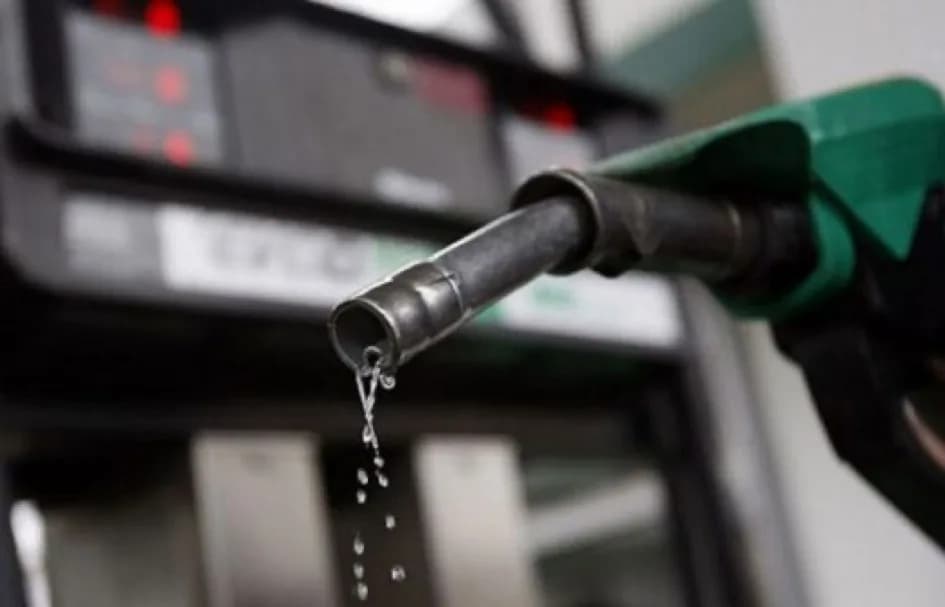
Nigeria’s average retail price of petrol rose sharply in March 2026, increasing by 22.55 percent month-on-month to ₦1,288.54 per litre, according to the National Bureau of Statistics.
The latest Premium Motor Spirit Price Watch report shows that the March price climbed from ₦1,051.47 recorded in February, reflecting a significant upward adjustment in pump prices across the country.
On a year-on-year basis, petrol prices also edged higher by 2.13 percent, compared to ₦1,261.65 per litre in March 2025, indicating sustained pricing pressure despite a relatively modest annual increase.
State-level analysis reveals notable disparities in pricing. Anambra State recorded the highest average retail price at ₦1,441.22 per litre, followed by Sokoto State at ₦1,377.55 and Borno State at ₦1,375.16.
In contrast, Lagos State posted the lowest average price at ₦1,162.71 per litre, with Ogun State at ₦1,169.78 and Kaduna State at ₦1,193.40 also among the least expensive locations.
Zonal data indicates that the North-East recorded the highest average petrol price at ₦1,336.50 per litre, while the South-West had the lowest at ₦1,232.46 per litre.
Diesel prices followed a similar upward trend during the period. The average retail price of Automotive Gas Oil increased by 16.05 percent month-on-month, rising from ₦1,420.17 in February to ₦1,648.08 per litre in March. On a year-on-year basis, diesel prices rose by 3.05 percent from ₦1,599.30 per litre recorded in March 2025.
At the state level, Ebonyi State recorded the highest diesel price at ₦2,262.29 per litre, followed by Akwa Ibom Stateat ₦1,895.72 and Osun State at ₦1,872.15. The lowest prices were observed in Kogi State at ₦1,383.40, Katsina Stateat ₦1,438.25, and Enugu State at ₦1,480.06.
Zonal analysis shows the South-East recorded the highest diesel prices at ₦1,730.14 per litre, while the North-Centralhad the lowest average at ₦1,593.11 per litre.
Market analysts attribute the upward movement in both petrol and diesel prices to global supply disruptions linked to ongoing geopolitical tensions in the Middle East, particularly constraints affecting crude oil flows through the Strait of Hormuz.
According to economist Opeyemi Alabi, the conflict has tightened global energy supply, pushing international crude benchmarks higher and increasing landing costs for imported fuel.
He noted that rising fuel prices are already translating into higher transportation costs and broader inflationary pressure, with petrol reportedly selling for as much as ₦1,600 per litre and diesel exceeding ₦2,000 per litre in some locations.
The continued volatility in global oil markets suggests that domestic fuel prices may remain elevated in the near term, particularly if supply disruptions persist.