

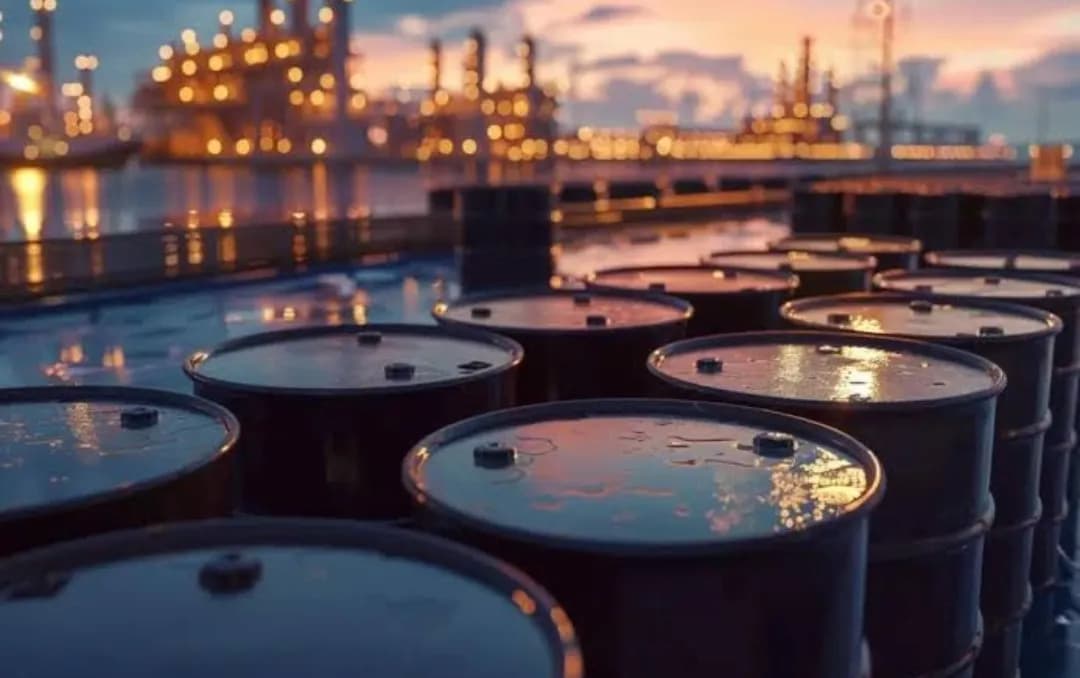
The year 2024 was transformative for Nigeria’s petroleum sector, with major developments shaping the country’s economy and positioning it as a significant player in Africa’s energy landscape. Below are the critical petroleum events that marked the year:
1. Dangote Refinery Begins Operations
On 22 May 2024, the Dangote Refinery commenced production, processing 650,000 barrels of crude oil daily. Located in Lagos, it became Africa’s largest refinery, reducing Nigeria’s dependence on imported refined products. This milestone aligned with the federal government’s efforts to enhance local refining capacity and address persistent fuel scarcity. The refinery also boosted domestic production of bitumen and asphalt, critical for Nigeria’s construction and infrastructure sectors.
2. Deregulation of the Petroleum Sector
Following the removal of fuel subsidies in 2023, 2024 saw further reforms in Nigeria’s downstream petroleum sector. The Nigerian National Petroleum Company Limited (NNPCL) played a pivotal role in ensuring market stability despite fluctuating global oil prices. Deregulation allowed more private players to invest in refining and distribution, fostering competition and innovation.
3. Expansion of Modular Refineries
Nigeria witnessed a surge in modular refinery projects, especially in the Niger Delta. These smaller, locally-operated refineries complemented the capacity of larger facilities like Dangote. By the end of 2024, modular refineries contributed approximately 12% of Nigeria’s refined petroleum output, supporting job creation and regional development.
4. Northern Nigeria’s Oil Exploration Gains Momentum
The Kolmani Integrated Development Project in Gombe and Bauchi states progressed significantly in 2024. Supported by NNPCL, the project marked a strategic shift in oil exploration towards northern Nigeria, diversifying the country’s production base and reducing the over-reliance on the Niger Delta.
5. Increased Focus on Gas Utilisation
As part of the ‘Decade of Gas’ initiative, Nigeria ramped up its natural gas production and utilisation efforts. The government launched projects aimed at boosting compressed natural gas (CNG) adoption in transport, reducing reliance on petrol. Additionally, liquefied natural gas (LNG) exports surged, making Nigeria one of the leading suppliers to Europe and Asia amidst the global energy transition.
6. Oil Theft and Pipeline Vandalism
Despite progress, the industry faced challenges, particularly in tackling oil theft and pipeline vandalism. In August 2024, the Nigerian government deployed advanced surveillance technologies, including drones, to combat illegal activities. These efforts resulted in a 25% reduction in crude oil losses compared to 2023.
7. Renewable Energy Integration
While petroleum remains central to Nigeria’s economy, 2024 saw increased investment in renewable energy. The federal government collaborated with international partners to explore biofuels and solar energy, aiming to diversify the energy mix while reducing greenhouse gas emissions. This transition aligns with global climate goals and Nigeria’s commitment to achieving net-zero emissions by 2060.
8. Petroleum Industry Act (PIA) Implementation
The implementation of the PIA continued in 2024, streamlining regulatory frameworks and promoting transparency. The Nigerian Upstream Petroleum Regulatory Commission (NUPRC) reported increased investor confidence, with over $2 billion in new investments in oil and gas exploration and production.
9. Economic Impact of Petroleum
Despite global economic uncertainties, Nigeria maintained steady crude oil exports in 2024, averaging 1.4 million barrels per day. The rise in local refining reduced import dependency, saving an estimated $5 billion in foreign exchange. Revenue from petroleum exports accounted for 50% of Nigeria’s foreign earnings, reinforcing its role as a critical economic driver.
The events of 2024 underscored Nigeria’s strategic efforts to revitalise its petroleum sector while transitioning towards a diversified energy future. From increasing refining capacity to tackling oil theft and promoting gas utilisation, the country navigated challenges and opportunities to secure its place in the evolving global energy landscape.