

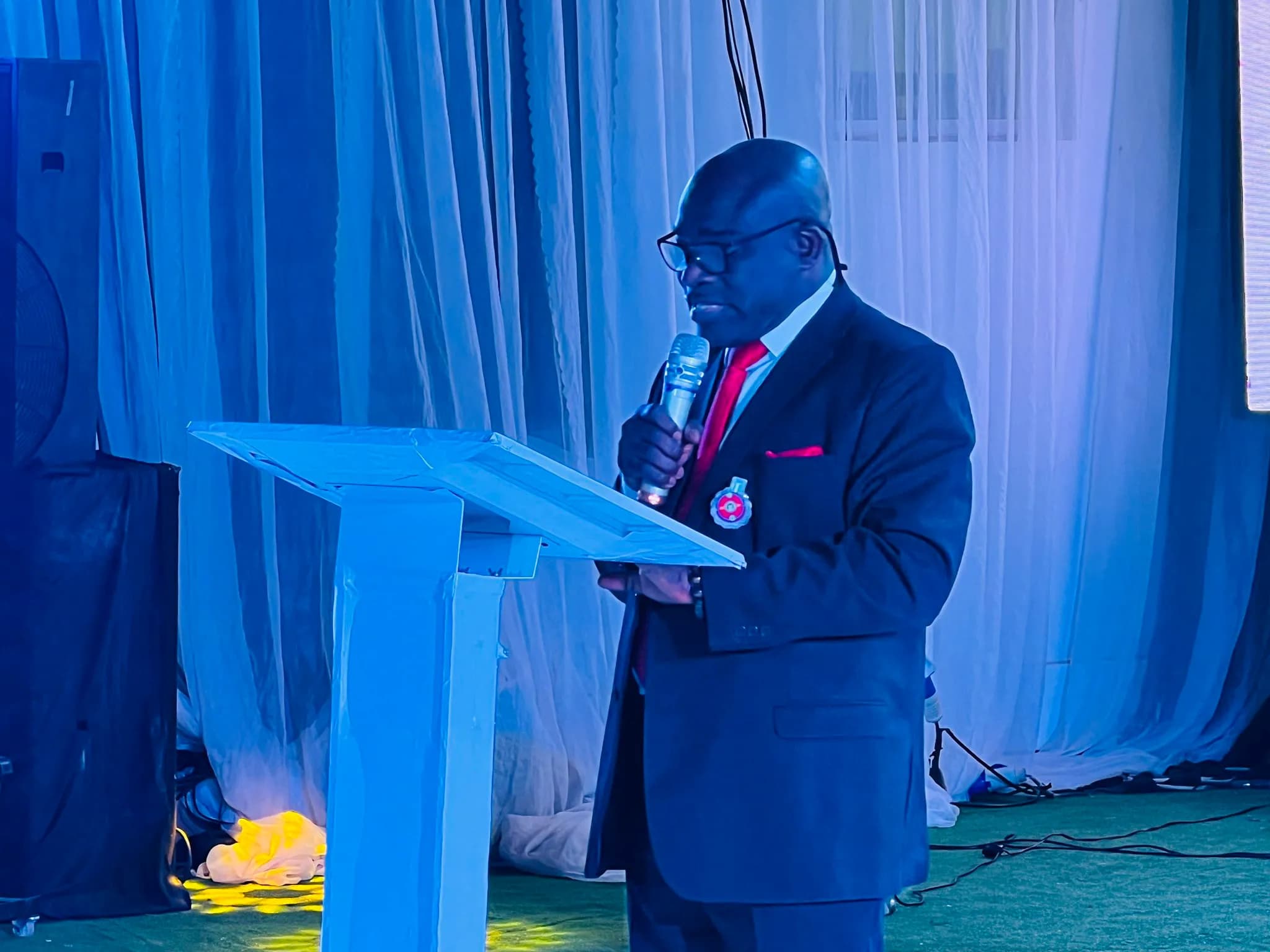
Nigeria’s petroleum sector remains a cornerstone of its economy, contributing approximately 90% of the nation’s foreign exchange and 65% of government revenue, according to Sen. Heineken Lokpobiri, Minister of State for Petroleum Resources (Oil). Lokpobiri made this statement at the 8th edition of the National Council on Hydrocarbons (NCH) held in Asaba, Delta State.
Represented by Engr. Kamoru Busari, Director of the Ministry’s Upstream Department, Lokpobiri highlighted the transformational impact of the Petroleum Industry Act (PIA) 2021. This legislation, which consolidates and repeals over 10 prior petroleum-related laws, aims to redefine Nigeria’s oil and gas sector, streamlining operations and addressing longstanding inefficiencies.
Why the Petroleum Industry Act Matters
The PIA, which took over two decades to come to fruition, was enacted in 2021 and has been described as a game-changer for Nigeria’s energy landscape. Lokpobiri called it “the new bride of the sector,” designed to overhaul regulatory, administrative, and fiscal systems within the industry.
“The proper implementation of this law isn’t just about improving the energy sector; it’s about transforming the entire nation’s economic prospects,” he noted.
Reflecting on two years of the PIA’s implementation, Lokpobiri acknowledged significant progress but stressed the need to address gaps in the Act for better outcomes. “We need to ensure it works as effectively as possible. This council plays a vital role in shaping its success,” he added.
The Role of the National Council on Hydrocarbons
The NCH, an annual event initiated in 2016 by the Ministry of Petroleum Resources, serves as a platform for key stakeholders to exchange ideas on policy development and implementation in the oil and gas sector.
Lokpobiri urged council members to focus on the memoranda presented during the meeting, noting that their decisions would have lasting implications on the industry’s future.
“Every decision made here today will affect this sector positively or negatively. Let’s work together to ensure it’s the former,” he said.
Delta State’s Commitment to Hydrocarbon Development
Dr. Kingsley Emu, Secretary to the Delta State Government, represented Governor Sheriff Oborevwori at the event. He reaffirmed Delta State’s dedication to supporting the hydrocarbon sector, emphasising its critical role in Nigeria’s economy.
“As the highest producer of hydrocarbons, Delta State recognises the importance of this industry and remains committed to fostering its growth,” Emu stated.
He called for collaboration among stakeholders to navigate the complexities of the sector and unlock its full potential. “Together, we can overcome challenges and achieve greater prosperity for our people,” he added.
The Communiqué and Future Outlook
The meeting concluded with the presentation and adoption of a communiqué, summarising key decisions and recommendations. The focus remains on leveraging the PIA to maximise the benefits of Nigeria’s vast hydrocarbon resources while addressing gaps in policy implementation.
As Nigeria looks to the future, the petroleum industry continues to be the backbone of its fiscal policy, with stakeholders working to ensure its sustainability and growth in an evolving global energy landscape.