

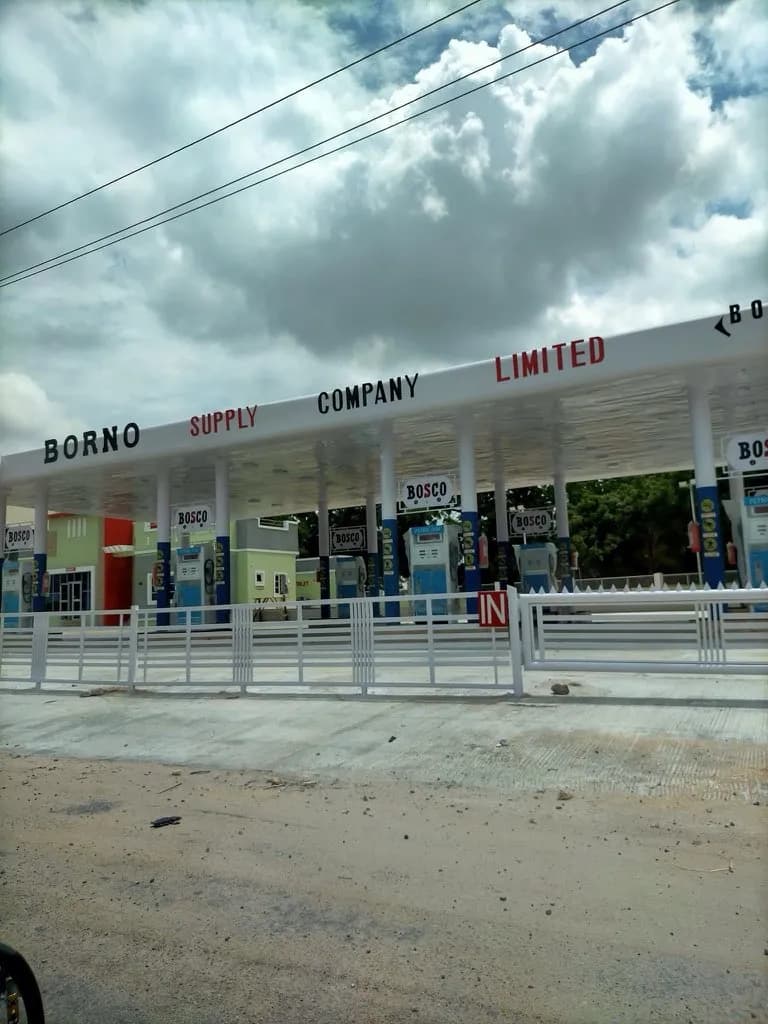
Petroleum retail stations, commonly referred to as filling stations, are vital components of Nigeria’s oil and gas industry. These facilities, which dot the landscape from the bustling metropolis to rural hinterlands, serve as the last point in the supply chain, connecting consumers to the country’s vast petroleum resources. In recent years, developments in licensing, regulations, and shifts in energy policy particularly the federal government’s Compressed Natural Gas (CNG) initiative have placed the retail sector at the forefront of discussions about Nigeria’s energy future.
Role of Filling Stations in Nigeria’s Oil and Gas Sector
Filling stations in Nigeria play a dual role in the oil and gas sector. Not only do they ensure the availability of petrol, diesel, and other refined products for transport and industrial use, but they also serve as distribution points for domestic energy needs, including cooking gas. As a petrol dependent economy, Nigeria relies heavily on the smooth functioning of these stations to maintain economic activities.
In a nation with erratic power supply, generators are ubiquitous, and filling stations provide essential diesel and petrol to power households and businesses. Moreover, the sector is significant for employment, supporting a wide range of jobs from pump attendants to logistics and management roles, thus contributing to the broader economy.
Recent Developments in Regulations and Licensing
In recent times, the regulation of filling stations has undergone notable changes aimed at improving safety, transparency, and environmental compliance. The Nigerian Midstream and Downstream Petroleum Regulatory Authority (NMDPRA), established under the Petroleum Industry Act (PIA) 2021, has introduced stricter licensing requirements. The act mandates enhanced scrutiny for the siting, construction, and operation of new filling stations, ensuring that they meet set safety standards.
One of the most significant changes is the clampdown on illegal filling stations and unauthorised fuel depots, which have proliferated across the country. NMDPRA has increased surveillance and penalties, with a particular focus on stations operating without the proper permits. The enforcement of regulations concerning safety measures such as fire suppression systems, underground tank integrity tests, and environmental impact assessments has also tightened.
Additionally, in light of recent fuel price deregulations and subsidy removals, there has been an increased emphasis on transparency in pricing and ensuring that stations comply with the government’s pricing templates. The goal is to prevent arbitrary price hikes while maintaining a competitive environment for marketers.
The Federal Government’s CNG Initiative and the Future of Filling Stations
With Nigeria’s push towards alternative energy sources, the federal government’s CNG initiative has been a focal point of its energy diversification strategy. The aim is to reduce the country’s dependence on petrol and diesel by promoting CNG as a cheaper, cleaner, and more abundant alternative. This shift, part of Nigeria’s ‘Decade of Gas’, has major implications for the petroleum retail sector.
In response, several filling station operators are adapting their facilities to accommodate CNG, either through retrofitting existing stations or establishing dedicated CNG dispensing stations. NMDPRA is working to streamline licensing processes for CNG stations, encouraging more operators to transition to gas. This shift is in line with the government’s vision of transforming Nigeria into a gas-based economy.
However, there are significant challenges. The infrastructure required for CNG distribution is still underdeveloped, with many regions lacking the pipelines and storage facilities needed to support a robust CNG market. Furthermore, while CNG is cheaper in the long term, the initial capital required for converting vehicles and building new stations could be prohibitive for many businesses and consumers. Filling stations must weigh these costs against the potential benefits of diversifying their offerings and future-proofing their businesses.
The Road Ahead
As Nigeria continues to grapple with fuel price volatility and the environmental impact of fossil fuels, the future of petroleum retail will likely evolve alongside government policies and technological advancements. While filling stations will remain crucial to the country’s energy landscape, their roles may expand beyond just petrol and diesel dispensing.
The adoption of CNG and other alternative energy sources will play a decisive role in determining how filling stations operate in the coming years. As infrastructure improves and regulations adapt to support new energy forms, filling stations will be at the forefront of Nigeria’s energy transition, bridging the gap between traditional fuel sources and a cleaner, more sustainable future.
For stakeholders, from independent marketers to major oil marketers, staying compliant with the evolving regulatory framework and positioning themselves for the CNG transition is key to ensuring longevity in a rapidly changing energy market.
The government’s commitment to the CNG initiative, backed by its regulatory reforms, suggests that the filling stations of the future will be far more diverse in their energy offerings. In this changing landscape, the petroleum retail sector is poised not just to survive, but to thrive, as it helps drive Nigeria towards its energy goals.
The role of petroleum retail in Nigeria remains indispensable, both as a key economic player and as an essential service provider for millions of Nigerians. However, with recent regulatory shifts and the ambitious CNG initiative, filling stations are set to undergo a transformation. As the country charts a new course in its energy policy, the filling stations that adapt will continue to play a critical role in Nigeria’s oil and gas sector, contributing to both its economic development and its sustainability ambitions.
This ongoing evolution promises a dynamic future for the sector, where innovation, compliance, and adaptation will be crucial for continued success.