

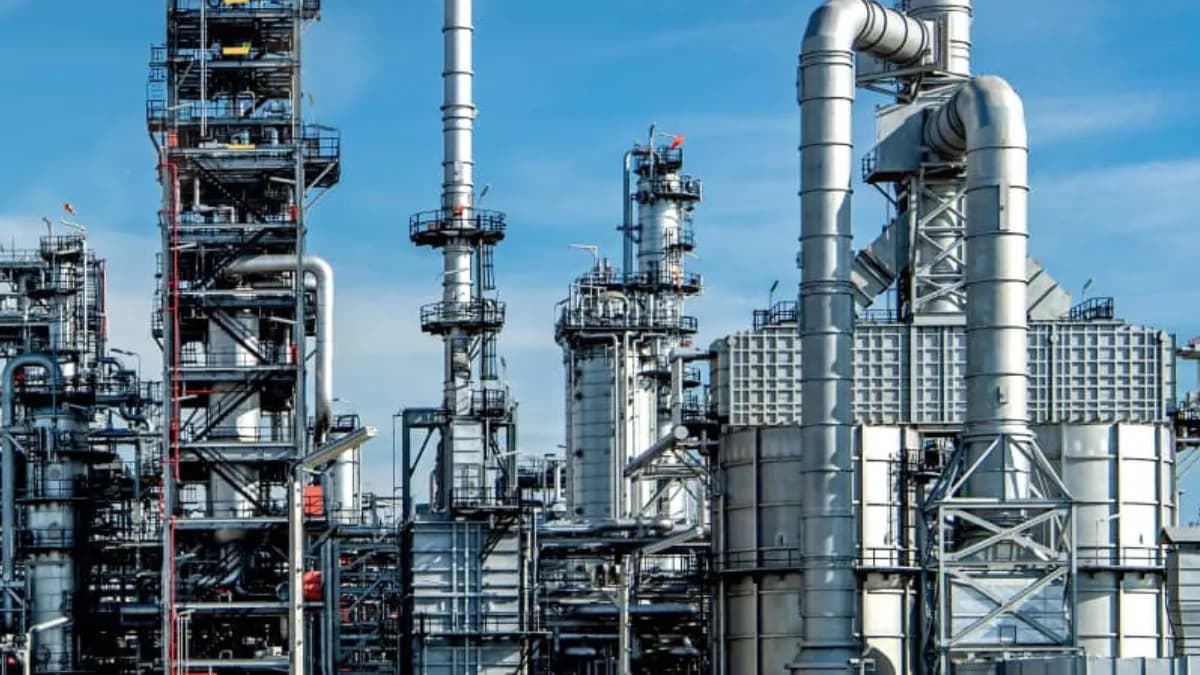
The recent reactivation of the Port Harcourt Refinery, located in Eleme, has been heralded as a major milestone in Nigeria’s quest for energy independence. Speaking during an expert panel discussion, Dr Timothy Okon, Managing Partner at Terno Energy, and Olabode Sowunmi, a leading oil and gas expert, shed light on the refinery’s commissioning phase and its broader implications for the country’s energy landscape.

A Gradual but Promising Rebirth
Dr Okon explained that the Port Harcourt Refinery is currently undergoing a commissioning process, integrating older components with newer systems. He emphasised that, while the refinery’s capacity remains a work in progress, its reactivation is a significant achievement. “Every additional litre of petroleum produced locally reduces our reliance on imports, marking a positive step forward,” he noted.
Economic and Market Impacts
Olabode Sowunmi highlighted the broader economic ripple effects, noting that the refinery’s operation would create job opportunities and stimulate local businesses, including vendors and service providers. He also addressed concerns about price competition, explaining that more operational refineries such as those in Kaduna and Warri, alongside Dangote’s refinery would enhance market dynamics, driving prices down through increased supply.
Addressing Public Expectations
While public optimism is high, Dr Okon urged caution, pointing out that meeting domestic demand sustainably is key to achieving lasting price reductions. He stressed that smooth distribution and a competitive market environment, guided by the Petroleum Industry Act (PIA), would ultimately determine pricing outcomes.
Challenges and Crude Supply Issues
A critical challenge remains ensuring a steady supply of crude oil. Dr Okon acknowledged that investment in deepwater offshore assets is essential to secure long-term crude availability. However, he expressed confidence in the Nigerian National Petroleum Company Limited’s (NNPCL) efforts to boost production in the coming months.
Lessons for Future Refinery Projects
Reflecting on lessons from the Port Harcourt Refinery’s rehabilitation, Sowunmi highlighted the importance of systematic project execution, adequate funding, and effective government policies. He noted that overcoming technical challenges and ensuring consistent funding were pivotal to the project’s success. Both experts agreed that similar approaches would be crucial for the rehabilitation of the Warri and Kaduna refineries.
A Reason to Celebrate
Despite the challenges ahead, both experts urged Nigerians to celebrate this achievement. Sowunmi emphasised the long-term benefits of a fully operational refinery system, including job creation, energy security, and economic stability. “It’s a journey, but a promising one,” he concluded.
As Nigeria moves forward, the reactivation of the Port Harcourt Refinery symbolises hope for a more self-reliant energy future. The ongoing efforts to rehabilitate other refineries will play a crucial role in achieving this vision, ensuring that the nation’s energy needs are met sustainably and affordably.