

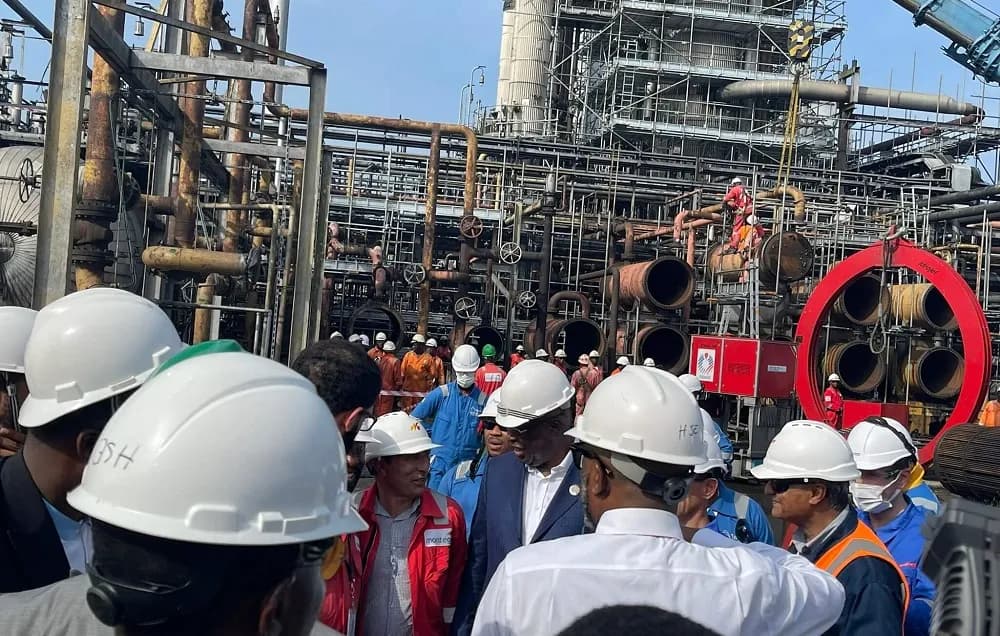
The prolonged shutdown of the old Port Harcourt refinery has triggered mounting concerns among petroleum product retailers, who say the delay is deepening economic hardship across host communities and distorting regional fuel supply.
The refinery, operated by the Nigerian National Petroleum Company Limited (NNPCL), was shut down on May 24, 2025, for what was announced as a 30-day maintenance cycle. However, 60 days on, the facility remains idle raising fears over its rehabilitation timeline and the Federal Government’s commitment to refining reform.
Retailers Demand Urgent Intervention
At a press conference in Rivers State, Mike Amadi, Chairman of the Host Community Bulk Petroleum Retailers Association, called on President Bola Tinubu to intervene directly by ensuring the release of funds and restoring operational activity at the plant.
“The continued inactivity at the Port Harcourt refinery is crippling business and escalating economic pressure on host communities,” Amadi said. “We are past the promised timeline, and yet, no drop of refined product has been delivered.”
He urged President Tinubu to preserve the credibility of his administration’s energy transition and refining reform agenda by resolving the impasse.
Key Demands from the Host Community
The association submitted three urgent requests to the Federal Government and key industry regulators:
- Immediate release of funds to ensure timely contract execution and prevent further repair delays.
- Restart of production by early August 2025 to mitigate current economic pressure.
- Stable crude oil supply to the plant to avoid future interruptions and support long-term operations.
Refinery Rehabilitation Faces Broader Scrutiny
The lingering closure coincides with critical remarks from NNPCL’s Group CEO, Bayo Ojulari, who recently admitted that the return on government investment in refineries has fallen short of expectations.
Furthermore, Aliko Dangote, President of the Dangote Group, expressed doubt that Nigeria’s state-owned refineries could ever function optimally again, despite over $18 billion sunk into maintenance over the years.
Privatisation Debate Resurfaces
Calls for outright privatisation of the refineries have resurfaced, with stakeholders including manufacturers and independent marketers arguing that government ownership has historically failed to deliver operational efficiency, product stability, or return on investment.
Downstream Disruptions Persist
Amid the Port Harcourt shutdown, the Nigerian downstream sector continues to grapple with product scarcity, pricing volatility, and an over-reliance on imports, despite domestic refining capacity improvements. The Dangote Refinery, while operational, faces its own challenges, including feedstock shortfalls and regulatory scrutiny over pricing models.
With inflation rising and consumer pain deepening, stakeholders are demanding a shift from rhetoric to results in Nigeria’s much-delayed refining renaissance.