

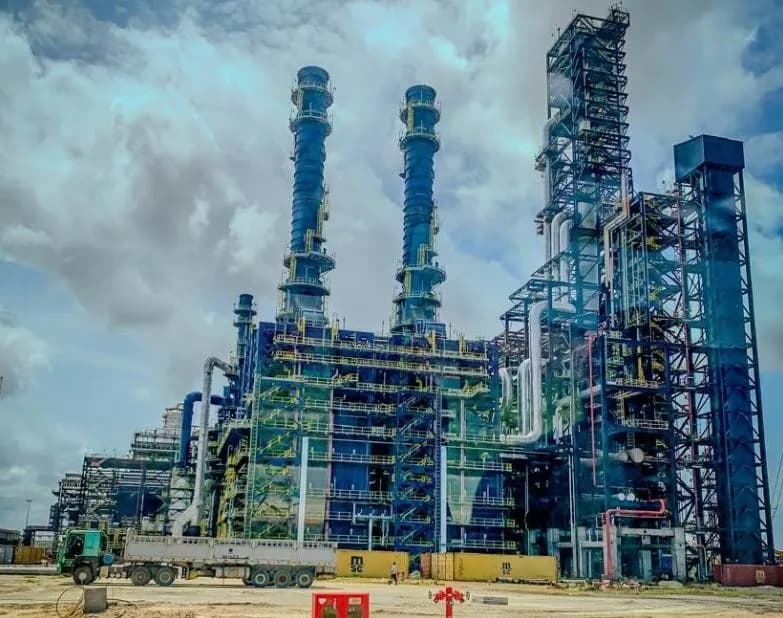
Tension builds over the status of the old Port Harcourt refinery as fuel marketers in Rivers State dispute the Nigerian National Petroleum Company Limited (NNPC)’s official claim of a planned maintenance shutdown.
Retailers under the Eleme & Okrika Host Community Bulk Petroleum Retailers Association argue that the refinery had already gone idle due to a lack of crude oil long before NNPC scheduled the May 24 shutdown. They maintain that no visible maintenance activity has taken place at the site.
Retailers: Crude Starvation, Not Maintenance
At a press briefing on Thursday, the group accused NNPC of disguising the real reason for the shutdown. “This is not a maintenance shutdown,” said Joseph Obele, spokesman for the Petroleum Products Retail Outlet Owners Association of Nigeria (PETROAN). “The refinery halted operations because it lacked crude oil, not because of scheduled repairs.”
Obele explained that insiders within the host community confirmed the facility had not received crude in over three months. “The internal memo from refinery management clearly states that the crude cracking process yielded only diesel (AGO), not PMS. Without PMS production, the refinery halted operations,” he said.
He questioned the whereabouts of the crude designated for the Port Harcourt refinery. “We are raising the alarm to inform President Bola Tinubu that officials are diverting crude oil meant for local refining. If that’s true, they are likely exporting the volumes for foreign exchange,” Obele warned.
He further emphasized that restarting operations in 30 days may not be possible without crude reserves in the tanks. “Supplying crude takes weeks, not days. Even if they complete repairs on schedule, they can’t resume operations without feedstock,” he said.
Calls for Transparency and Structural Reform
Sunny Nkpe, Chairman of the association’s Board of Trustees, urged the Federal Government to ensure consistent crude allocation to the refinery. He warned that denying crude would jeopardize the revival of the facility.
Nkpe also called on the government to appoint a permanent Managing Director with the technical capacity to complete the refinery’s final revamp phase. He demanded that NNPC and its contractors provide regular progress updates during the 30-day repair timeline.
The group applauded former Managing Director Ibrahim Onoja and his team for their dedication and suggested that authorities officially recognize their contribution to the refinery’s turnaround.
NNPC Stands by Maintenance Claim
When contacted, NNPC’s Chief Corporate Communications Officer, Olufemi Soneye, declined to respond directly to the allegations. However, in earlier statements, he confirmed that the refinery was undergoing “a scheduled critical safety maintenance exercise,” expected to last about a month.
“Port Harcourt Refining Company is undergoing a planned maintenance and sustainability assessment that started May 24. The process adheres to global best practices,” Soneye stated.
He assured Nigerians of a stable fuel supply throughout the maintenance period. “We have adequate volumes of AGO, kerosene, and other refined products to ensure uninterrupted supply,” he said.
Soneye added that NNPC was working with regulators, including the Nigerian Midstream and Downstream Petroleum Regulatory Authority (NMDPRA), to ensure transparency during the entire process.
Looking Ahead
While NNPC insists on a maintenance narrative, local petroleum retailers insist that the real issue stems from crude unavailability. With accusations of diversion and concerns over transparency, the coming weeks could determine the credibility of the Port Harcourt refinery’s revitalization plans.
As stakeholders await further updates, the spotlight now falls on whether the refinery will restart on schedule or whether deeper structural issues will again delay progress.