

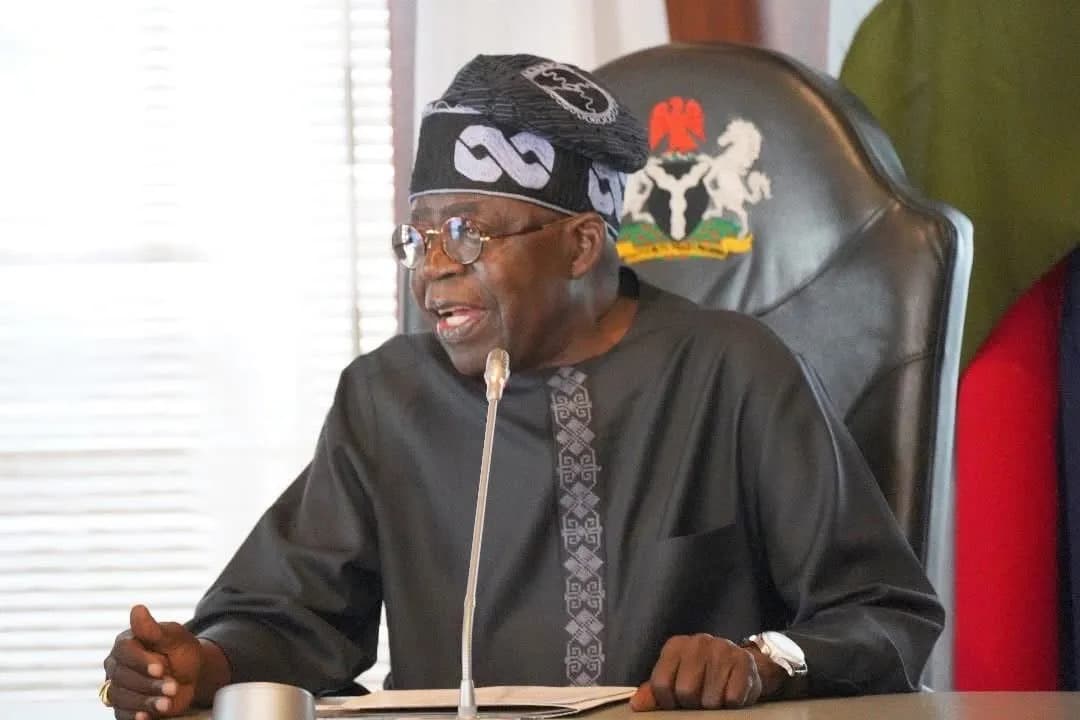
President Bola Tinubu’s administration is betting big on fiscal incentives to transform Nigeria’s oil refining sector and possibly lower the price of petrol for millions of Nigerians. The government’s latest move, a sweeping executive order tying tax incentives to cost efficiency in oil operations, raises a crucial question: Will consumers finally feel relief at the pump?
This article examines the substance of the newly introduced tax measures, the rationale behind them, their implementation structure, and whether these breaks will lead to lower petrol prices in the near term.
What Are the New Tax Incentives?
In May 2025, President Tinubu signed the Upstream Petroleum Operations Cost Efficiency Incentives Order, which links tax credits to cost-saving performance across Nigeria’s oil fields. Under the order, oil operators who cut costs to globally competitive levels in onshore, shallow, or deep offshore operations will qualify for tax credits worth up to 20% of their annual tax liability.
“This Order is a signal to the world: we are building an oil and gas sector that is efficient, competitive, and works for all Nigerians,” Tinubu declared. The order complements earlier fiscal tools like VAT exemptions, duty waivers, and corporate tax holidays offered to refining and gas utilization projects.
Such incentives are aimed at reducing production costs, attracting capital investment, and strengthening Nigeria’s refining base. For domestic refiners, who are already benefiting from duty-free equipment imports and pioneer status tax holidays, this latest order reinforces the economic foundation underpinning their operations.
The Rationale: Energy Security and Lower Fuel Prices
The strategic goal is clear: reduce dependence on imports, conserve foreign exchange, and encourage a self-sufficient petroleum economy. In 2024, Nigeria imported over 13.7 billion litres of petrol, dwarfing the 790 million litres produced locally in the first five months of that year.
Today, the Dangote Refinery, operating at roughly 200,000 barrels per day of petrol output, covers 60% of national demand. Even so, Nigeria still spends trillions of naira annually on fuel imports—₦930 billion in February 2025 alone.
Government officials insist that sustaining and expanding refining operations, via tax relief and deregulation, will eventually push prices downward. The Industrial Development (Income Tax Relief) Act, VAT Modification Order of 2024, and now the 2025 Cost Efficiency Order all aim to reduce operating burdens, enabling domestic producers to sell at competitive rates.
Have Petrol Prices Responded?
To a degree, yes. By late March 2025, petrol prices hovered at ₦900–₦950 per litre in Lagos and the South, rising slightly in the North. But after the lapse of Dangote’s crude-for-naira deal and the rise of import-based pricing, market dynamics shifted.
In May 2025, Dangote slashed its petrol depot price to around ₦835 per litre, below the then import-parity price of roughly ₦950/litre. This move triggered a cascade of price cuts, with NNPC and private marketers adjusting petrol prices to between ₦850 and ₦880 per litre, reflecting genuine market competition among domestic suppliers
Data from MEMAN (Major Energy Marketers Association of Nigeria) show that imported petrol landed at nearly ₦875/L in early June, meaning Nigerian refiners are now undercutting imports. These developments underscore the positive price impact of domestic refining, enabled in part by tax concessions and infrastructure advantages.
Expert Opinions: Optimism With Caveats
Industry analysts are cautiously optimistic. Clementine Wallop, director for sub-Saharan Africa at Horizon Engage, said the tax-linked cost-efficiency model “could be highly significant” if implementation succeeds. “Tinubu referenced alignment across agencies. Succeed there, and this could materially boost Nigeria’s investment climate.”
The Dangote Group and other refining stakeholders argue that strong fiscal backing is crucial for building refining self-sufficiency. Dangote officials estimate Nigeria needs 1.5 million barrels/day in refining capacity to fully meet domestic demand, nearly double current levels.
Civil society groups, including the Lagos chapter of the Nigeria Labour Congress, welcomed the May price cuts but stressed that only consistent policy and transparency will sustain lower prices. They have called for greater monitoring of refiners and the extension of tax incentives to smaller modular plants.
Risks and Limitations
While tax relief has stimulated activity in existing fields and refining projects, challenges remain. Chief among them is currency volatility: a weaker naira erodes any savings from domestic production. As Nigeria has a deregulated market and no fixed exchange rate, refiners are exposed to forex fluctuations that can increase their cost base.
There are also concerns over revenue loss. Generous tax holidays, if not precisely targeted, can shrink the tax base without proportionate public benefit. Nigeria has a history of inefficient waivers and poorly monitored fiscal regimes—past incentives sometimes enriched a few firms while public infrastructure remained underfunded.
Moreover, refinery stability remains an issue. Delays in rehabilitating state-owned refineries (like Kaduna) and over-reliance on the Dangote plant expose the system to potential bottlenecks. Outages or operational lapses could quickly reverse recent gains in pump price moderation.
Finally, analysts warn that without clear anti-monopoly safeguards, dominant players could quietly coordinate pricing, limiting the full benefit of deregulation for consumers.
Will Nigerians Pay Less?
If the current trend holds, Nigeria’s bet on tax incentives may deliver sustained petrol price relief. The combination of local refining, strategic fiscal support, and deregulated pricing has already pushed ex-depot rates down by more than 10% since March.
But the road ahead depends on more than tax breaks. Currency management, reliable crude supply to local refiners, inter-agency coordination, and active market regulation will all determine whether Nigerians see real and lasting price reductions.
In short, tax incentives, while essential, are only one part of the equation. They lower costs, but without macroeconomic stability and policy consistency, the full benefits may not reach the pump.
According to one industry observer, “The tools to reduce petrol prices are now in place. Whether they lead to lower prices depends on how effectively and promptly they are used.”