

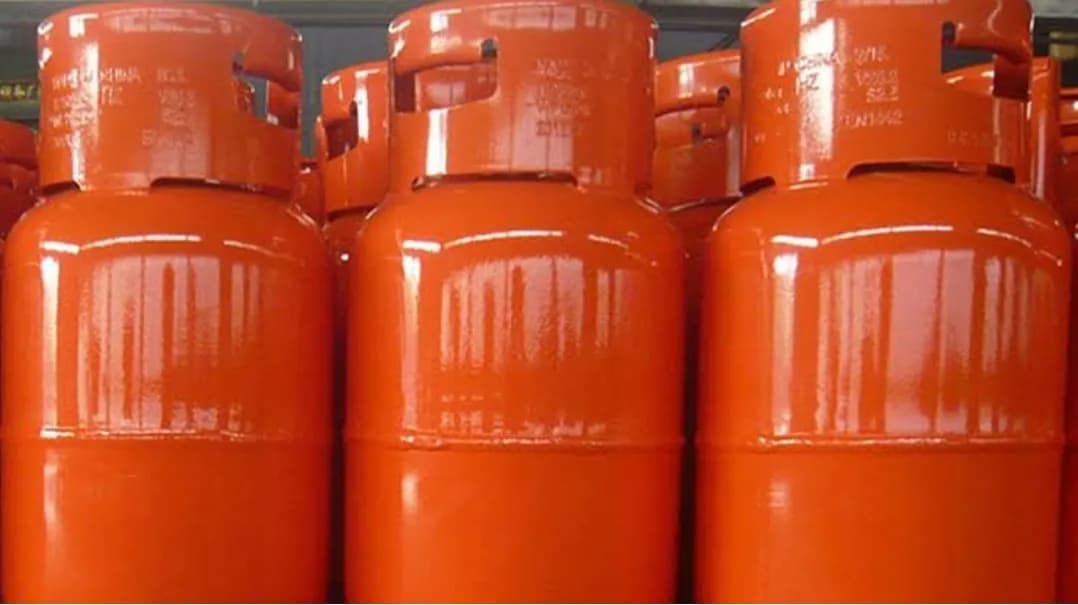
As Nigeria enters the last quarter of 2024, the cost of cooking gas has surged yet again, placing additional pressure on millions of Nigerian households. The price of Liquefied Petroleum Gas (LPG), a key resource for cooking, has spiked dramatically, leaving families grappling with the soaring cost of an already strained daily necessity.
Across the country, the price of refilling a 12.5kg cylinder of LPG has now skyrocketed to between N15,000 and N17,000, up from N9,000 at the start of the year. This steep increase has hit households hard, especially in the context of broader economic challenges such as inflation, currency depreciation, and high energy costs. In rural areas, where incomes are often lower, the price hike has been even more acutely felt, pushing many families to the brink.
For many Nigerians, who have increasingly relied on cooking gas as a cleaner and more efficient alternative to firewood and kerosene, this price spike has forced difficult choices.
“We’re spending almost half of our monthly income on gas now,” said Mrs. Chinyere Okafor, a schoolteacher in Lagos. “It’s impossible to keep up. Before, we could manage and budget for gas, but this year has been unbearable. We’re thinking of switching back to kerosene stoves or charcoal, but even those are becoming expensive.”
The price surge has affected even middle-income families, who now have to adjust their spending to accommodate the rising cost of basic commodities. Many households are turning to smaller gas cylinders, hoping to ration their consumption, but even that has proven costly.
For poorer households, the situation is dire. The high cost of LPG has forced many to return to traditional biomass methods, such as firewood and charcoal, both of which carry significant health risks, particularly for women and children who are exposed to harmful smoke while cooking.
The LPG price surge in 2024 can be traced to several key factors, including Nigeria’s reliance on imports, the fluctuating exchange rate, and global market dynamics. Despite Nigeria’s significant natural gas reserves, domestic production of LPG remains inadequate to meet national demand, resulting in the country importing a large portion of its supply.
The naira, which has continued to lose value against the dollar, has made imports significantly more expensive. At the same time, global prices for LPG have risen, driven by heightened demand for cleaner fuels and ongoing geopolitical tensions in energy-exporting regions. Importers are thus passing these increased costs directly to consumers.
According to analysts, the government’s removal of petrol subsidies in 2023 has had knock-on effects on transportation and energy prices, further fuelling inflation. “The removal of the subsidies was expected to free up funds for infrastructure and social services, but the immediate effect has been a rise in living costs,” said Dr. Obinna Umeh, a senior economist at Lagos Business School. “With the naira’s persistent weakness and the government’s limited ability to stabilise the energy market, consumers are now bearing the brunt of these compounded challenges.”
The 2023 subsidy removal, under President Bola Tinubu’s administration, was seen as a necessary step to reduce government expenditure and attract foreign investment. However, critics argue that not enough was done to cushion the impact on ordinary Nigerians, who were already facing high food and transport costs.
In response to growing public discontent, the Minister of State for Petroleum Resources, Heineken Lokpobiri, has reiterated the government’s commitment to reducing the country’s dependence on imported LPG. The government has pointed to ongoing projects like the Dangote Refinery, which officially began operations in 2023, as part of the solution. Once fully operational, the refinery is expected to boost domestic gas processing and distribution, potentially bringing down prices in the long term.
However, many Nigerians are sceptical, noting that the benefits of the refinery’s output may not be felt immediately. “We’ve been hearing about the benefits of local production for years, but prices keep going up,” said Mrs. Okafor. “How much longer do we have to wait?”
There have been calls for the government to consider providing temporary subsidies for cooking gas, as was done in the past for fuel. Additionally, consumer rights groups are urging the authorities to impose price controls on gas distributors, arguing that price gouging may be exacerbating the situation. Despite these calls, the government has so far resisted reintroducing subsidies, citing fiscal constraints and the need to build a more sustainable energy market.
The rise in cooking gas prices reflects deeper challenges in Nigeria’s economy, which continues to grapple with high inflation, low growth, and an ongoing currency crisis. Inflation has remained stubbornly high, hovering around 24% in 2024, with food prices and transport costs continuing to climb.
The Central Bank of Nigeria, under new governor Olayemi Cardoso, has struggled to stabilise the currency despite several rounds of intervention. The bank’s recent shift to a more flexible exchange rate regime has led to greater volatility in the naira’s value, making it difficult for businesses to plan and for consumers to manage their costs.
“Until the exchange rate stabilises and Nigeria significantly boosts local production, we will continue to see prices like cooking gas rise,” noted Dr. Umeh. “The government’s focus should be on creating a favourable environment for investment in local infrastructure, particularly in the energy sector, while providing short-term relief to consumers.”
As Nigerians contend with rising living costs, the price of cooking gas has emerged as a symbol of the broader economic struggles faced by the country. Many households, particularly those in rural areas, are unsure how much longer they can continue absorbing the increases.
There are growing fears of widespread social unrest if prices continue to climb without any government intervention. Several advocacy groups have launched petitions demanding immediate action, and there are calls for a nationwide protest to highlight the struggles of ordinary citizens.
For now, the outlook remains uncertain. While the government has promised long-term solutions, the short-term reality for many Nigerians is bleak. Until tangible reforms materialise, and prices begin to stabilise, millions of households will continue to struggle with the rising cost of living in 2024.