

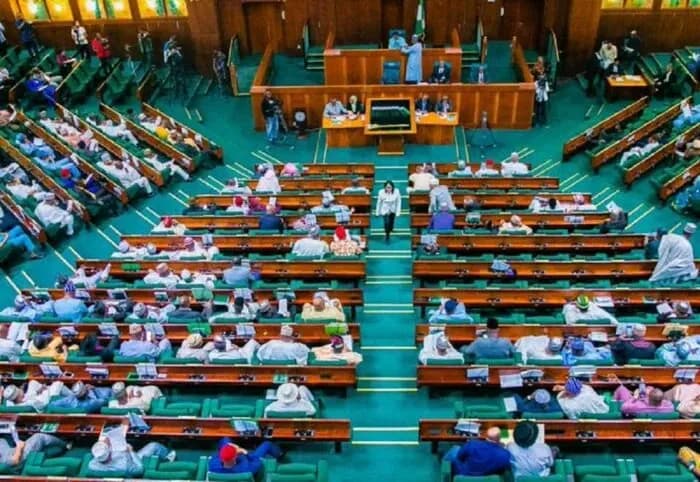
The House of Representatives has stepped in decisively, issuing a strict three-month deadline for the Nigerian National Petroleum Company Limited (NNPCL) Pension Fund to settle all outstanding pensions and arrears owed to its retirees. The move, which gained overwhelming support on the House floor, aims to restore confidence in a pension system that many former oil workers say has failed them.
Sponsoring the motion, Muhammad Shehu of Fagge Federal Constituency described the situation as “deeply troubling,” warning that persistent delays, governance lapses, and opaque financial practices have pushed many NNPCL retirees into avoidable financial distress. His call for action galvanized lawmakers, prompting an immediate directive and a full-scale probe into the Fund’s operations.
Lawmakers Demand Transparency and Strict Compliance
Consequently, the House mandated its Committee on Pensions to launch an extensive investigation into the NNPCL Pension Fund’s financial health. The committee will scrutinise its investment portfolios, asset-management decisions, liquidity structure, and adherence to the Pension Reform Act (PRA) 2014.
Lawmakers insisted that compliance with Section 50(1)(a) of the PRA requiring every pension scheme to remain fully funded and to close any shortfalls within 90 days is non-negotiable. They argued that repeated breaches of this provision weaken the petroleum sector’s pension stability and ultimately threaten workers’ long-term welfare.
Shehu noted that years of questionable financial practices and weak disclosure systems have steadily eroded trust. As he explained, “A pension system that cannot guarantee transparency cannot deliver security.”
Retirees Struggle Amid Delayed Payments
Furthermore, many NNPCL retirees despite meeting all contributory pension requirements still cannot access their Retirement Savings Accounts. This prolonged delay has created widespread hardship, with some pensioners battling medical bills, rising living costs, and emotional frustration because their entitlements remain unpaid.
Shehu alleged that the Pension Fund’s management has repeatedly ignored court orders directing payment of harmonised pensions, a situation that has led ageing retirees to stage protests demanding justice.
He warned that the Fund’s current governance structure falls far below international best practices, particularly those used in global oil and gas pension systems, where sustainability, risk-adjusted investments, and transparent custodial reporting are mandatory.
House Pushes for Sector-Wide Pension Reforms
Moving forward, the House stressed that the Federal Government must overhaul the NNPCL Pension Fund framework to ensure sustainable investment management, strong oversight, and clear accountability mechanisms.
Lawmakers believe an upgraded pension system will not only protect workers who dedicated decades to Nigeria’s oil and gas industry but also strengthen the credibility of the broader pensions landscape.
With the three-month ultimatum now active, the Pension Committee’s findings are expected to shape the next steps sanctions included if lapses or intentional violations are confirmed.