

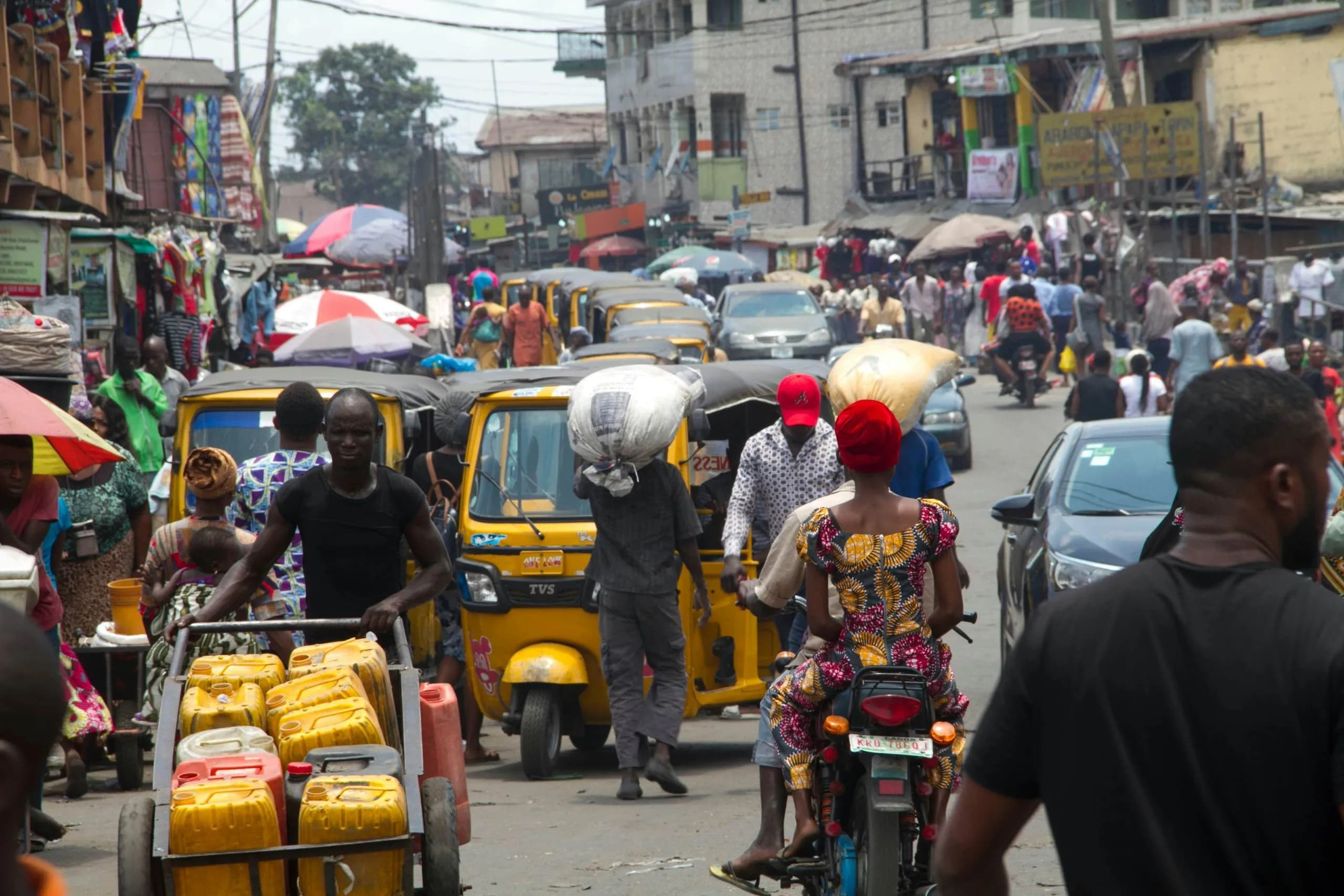
For many Nigerians, the rising cost of petrol is making it harder to manage daily expenses. With NNPCL’s pump price at ₦945 per litre, filling up a car has become a major financial burden, affecting transportation, food prices, and overall household spending.
Breaking Down the Cost of Fueling a Car in Nigeria
Let’s take a look at how much it costs to fill up some of the most common cars on Nigerian roads today:
- Toyota Corolla (50-litre tank): ₦47,250 per full tank
- Honda Accord (55-litre tank): ₦51,975 per full tank
- Toyota Camry (65-litre tank) : ₦61,425 per full tank
- Lexus RX 350 (72-litre tank) :₦68,040 per full tank
For a Nigerian earning between ₦80,000 and ₦150,000 per month, just two refuels can wipe out over half of their salary, leaving little for rent, food, school fees, and other necessities.
How Fuel Prices Are Affecting Nigerians
Mr. Ebuka – A Businessman in Obalende
Mr. Ebuka, who sells stationery at Obalende, makes between ₦200,000 and ₦500,000 monthly. He drives a Toyota Camry (65-litre tank) and fills up twice a month, spending ₦122,850 on petrol.
“With fuel prices this high, transporters charge me more to move my goods. I also spend a lot on my generator because of poor electricity. My profit margins are shrinking because I can’t keep increasing prices for customers,” he explains.
Mr. Hassan – A Level 12 Civil Servant
Mr. Hassan, a Level 12 worker in the Nigerian civil service, earns between ₦200,000 and ₦300,000 per month, depending on allowances such as housing and transport. He drives a Honda Accord (55-litre tank) and fills up twice a month, spending ₦103,950 on fuel.
“For someone in the civil service, this is a serious challenge,” he says. “By the time I pay for petrol, rent, and my children’s school fees, there’s barely anything left to save.”
The Ripple Effect: More Than Just Transport Costs
The cost of petrol doesn’t only affect car owners it impacts everyone.
- Higher Transport Fares: Bus fares in Lagos that were once ₦500 per trip are now ₦800–₦1,000, making commuting more expensive.
- Food Prices Rising: The cost of transporting goods has gone up, causing food and other essential item prices to skyrocket.
- Business Expenses Growing: Businesses relying on petrol-powered generators are paying more to operate, forcing them to raise prices.
Can CNG Offer Relief?
The Presidential Compressed Natural Gas (CNG) Initiative aims to provide a cheaper alternative to petrol. The government plans to convert 150,000 vehicles to CNG in 2025, potentially cutting transport costs by 40%.
However, many Nigerians, including Mr. Hassan and Mr. Ebuka, are sceptical. “Where are the CNG stations?” asks Mr. Hassan. “If I convert my car, will I even find where to buy the gas?”
What’s Next for Nigerians?
Until fuel prices drop significantly or CNG becomes widely available, Nigerians will continue adjusting their budgets, cutting back on non-essential expenses, and exploring alternative transport options.
For now, fuel prices remain a heavy burden, forcing many to make difficult financial decisions just to keep up with daily life.