

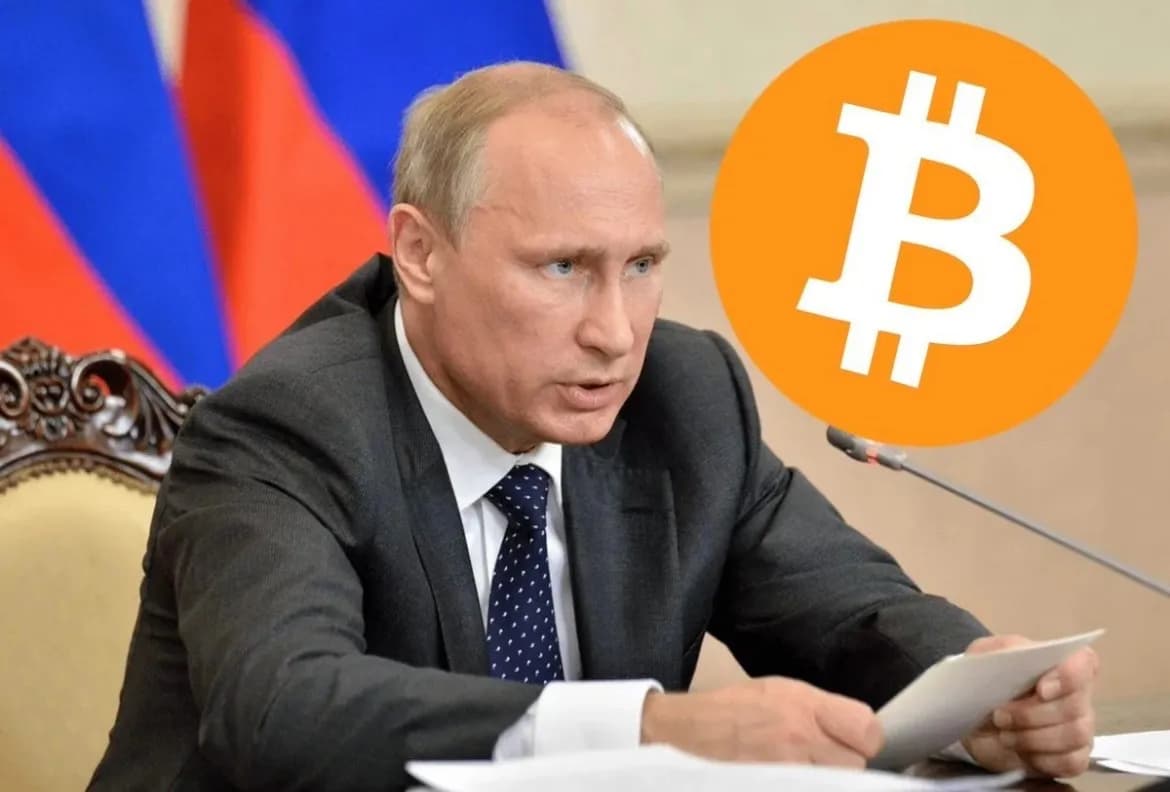
Russia is expanding its use of cryptocurrencies in oil trade with China and India to circumvent U.S. sanctions. This shift underscores Moscow’s growing reliance on digital assets to facilitate energy transactions.
A Growing Trend in Oil Transactions
While cryptocurrency-based transactions currently represent a small fraction of Russia’s total oil trade, they are steadily increasing. The International Energy Agency (IEA) estimates Russia’s total oil trade in 2024 reached $912 billion, indicating a significant market where digital assets could play a larger role in the future.
Other sanctioned nations, including Iran and Venezuela, have also turned to cryptocurrencies to facilitate international trade settlements, taking advantage of the decentralized and borderless nature of digital currencies.
How Crypto Facilitates Russian Oil Sales
One industry source described the process: an oil buyer pays a middleman company in yuan, which is then deposited into an offshore account. The yuan is converted into cryptocurrency and transferred to another account. Finally, the funds reach a Russian-based account, where they are exchanged into rubles. Though complex, this mechanism enables continued trade despite financial restrictions.
A single Russian oil trading entity reportedly handles volumes worth tens of millions of dollars monthly through this method, illustrating growing reliance on digital assets.
Sanctions Losing Their Impact?
Meanwhile, there are indications that Western sanctions on Russia’s oil industry are becoming less effective. Sanctioned oil tankers that were previously idled have resumed operations. Recent satellite data shows three sanctioned tankers loading Russia’s East Siberia Pacific Ocean (ESPO) crude and departing from the Far Eastern port of Nakhodka. More vessels are reportedly setting sail, suggesting Russia is finding new ways to sustain its energy exports despite international restrictions.
As cryptocurrency adoption in global trade evolves, Russia’s strategic pivot highlights the resilience of the energy sector in adapting to financial and geopolitical pressures.