

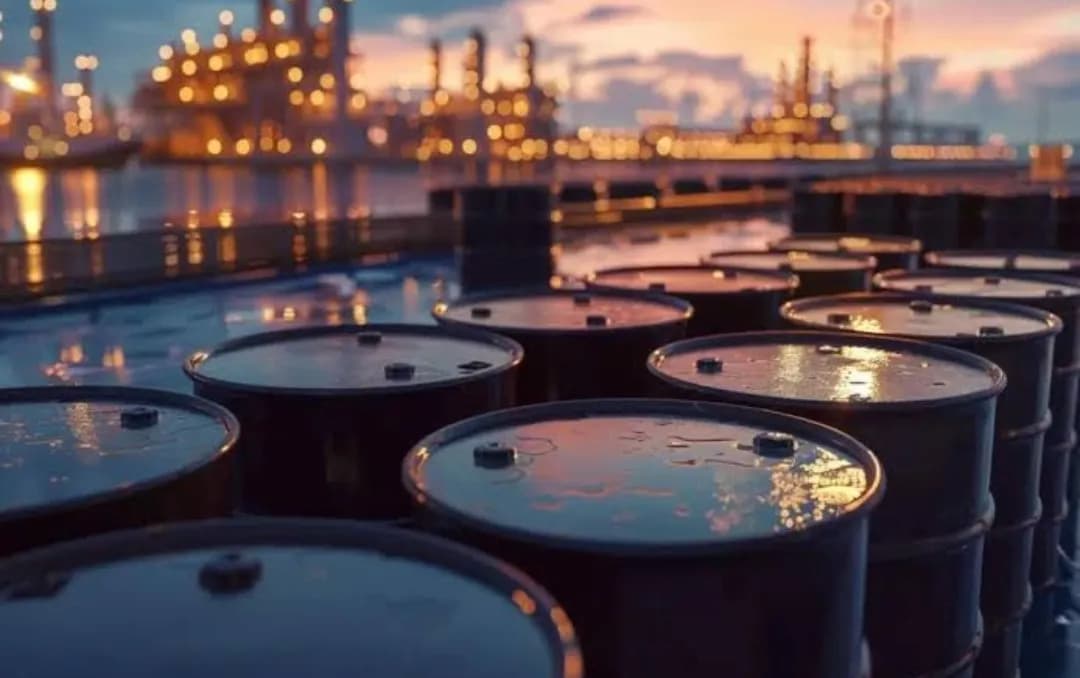
Saudi Arabia has overtaken other nations as the largest buyer of Russian seaborne fuel oil and vacuum gasoil (VGO). Data from November 2024 shows a 6% monthly rise in Russia’s fuel oil and VGO exports, totalling 4.26 million metric tonnes. This shift follows the European Union’s ban on Russian oil products in February 2023, which redirected Russian supplies to Asia.
India, previously a top buyer of Russian crude, has significantly reduced its imports by 55% in November. This marks the lowest levels since June 2022, as India seeks to diversify its energy sources. Recently, Indian Prime Minister Narendra Modi highlighted Guyana’s potential as a key supplier of crude oil for India’s future energy needs. However, discussions with Guyanese officials remain ongoing, as logistical adjustments by Exxon Mobil, the key operator in Guyana, are required.
Impact of Sanctions on Russian Oil
Despite discounts on Russia’s Urals crude grade averaging $6.01 below Brent crude sanctions have cost Russia an estimated €14.6 billion in lost revenue. Asian markets, including Saudi Arabia, have capitalised on these discounted rates, strengthening their energy ties with Russia.