

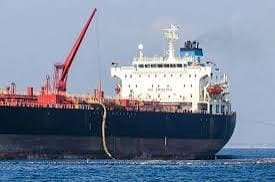
Nigeria’s downstream petroleum logistics chain continues to reflect targeted product lifting by major marketers, with select companies including Fynefield, NNPCL, Lister Oil, Rainoil, Ardova, and Sahara Energy participating in refined product evacuations from Dangote-linked terminals.
The latest operational data shows a mix of completed loadings and scheduled movements, largely concentrated around SPMP1 and SPMP2 jetties, reinforcing ongoing gantry-to-marine supply coordination. While some marketers executed full discharge cycles, others remain in planning or confirmation stages, highlighting uneven activity across the distribution chain.
Confirmed Product Loadings
FYNFIELD
- Arrival Date: 27 February 2026
- Product: PMS
- Quantity: 15,000 MT
- Berth Date: 28 February 2026
- Sailing Date: 01 March 2026
- Status: Completed.
NNPCL
- Arrival Date: 28 February 2026
- Product: PMS
- Quantity: 22,000 MT
- Berth Date: 02 March 2026
- Sailing Date: 03 March 2026
- Status: Completed.
LISTER OIL
- Arrival Date: 02 March 2026
- Product: PMS
- Quantity: 30,000 MT
- Berth Date: 05 March 2026
- Sailing Date: 07 March 2026
- Status: Completed.
RAINOIL
- Arrival Date: 02 March 2026
- Product: PMS
- Quantity: 15,000 MT
- Berth Date: 10 March 2026
- Sailing Date: 11 March 2026
- Status: Completed.
ARDOVA
- Arrival Date: 09 February 2026
- Product: PMS
- Quantity: 45,000 MT
- Berth Date: 11 March 2026
- Sailing Date: 12 March 2026
- Status: Completed.
Market Insight
Selected marketers have lifted 127,000 metric tonnes of petrol (PMS) from the Dangote Refinery, highlighting a structured and selective evacuation pattern dominated by key downstream players. The mix of completed and pending cargoes shows continued alignment between refinery output and the capacity of major marketers to absorb and distribute supply.
Meanwhile, steady crude deliveries from NNPCL are sustaining refinery throughput, while independent marketers like Rainoil, Ardova, and Lister Oil ensure wider distribution across regional markets. Going forward, jetty efficiency, consistent feedstock supply, and faster truck-out operations will be critical in translating these volumes into stable petrol availability and pricing nationwide.