

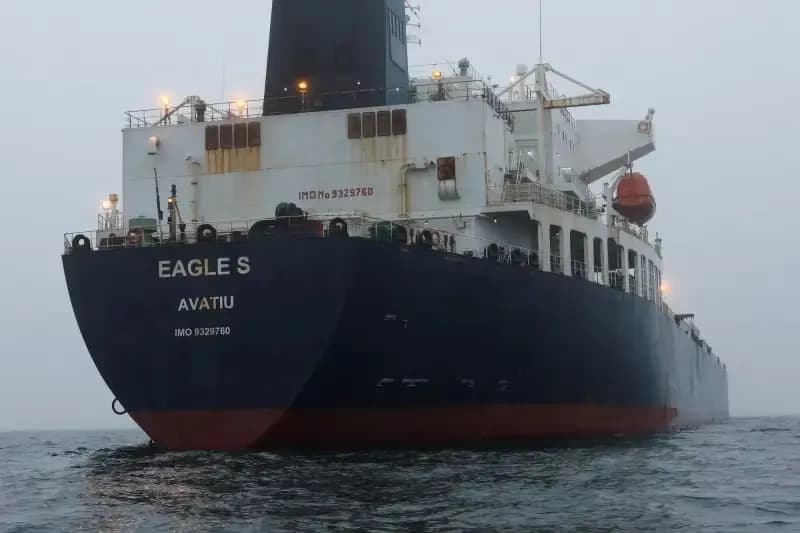
Six vessels carrying a combined 157,000 metric tonnes of petrol and diesel, estimated at ₦279 billion based on current Dangote Refinery gantry prices, are scheduled to discharge at Nigerian ports between June 9 and June 19, highlighting the continued inflow of imported fuels despite rising domestic refining capacity.
According to shipping position data reviewed by PUNCH, the cargoes comprise 132,000 metric tonnes of Premium Motor Spirit (PMS) and 25,000 metric tonnes of Automotive Gas Oil (AGO). The products are expected to berth at terminals across Apapa and Tin Can ports in Lagos, as well as the North West Petroleum and Gas terminal in Calabar.
Using Dangote Refinery’s prevailing gantry prices of ₦1,250 per litre for petrol and ₦1,700 per litre for diesel, the imported volumes translate to approximately 183.3 million litres of PMS valued at about ₦229.1 billion and 29.4 million litres of AGO worth nearly ₦50 billion.
The total cargo value amounts to roughly ₦279.1 billion. At an average exchange rate of ₦1,360 per dollar, the shipment is equivalent to approximately $205 million.
Shipping data showed that the largest consignment is aboard MT Mosunmola, a 144-metre tanker managed by Intership, carrying 45,000 metric tonnes of PMS destined for the Bulk Oil Plant terminal in Apapa. The vessel is expected to berth on June 12.
Another major delivery is MT ST Ilhaam, which is transporting 37,000 metric tonnes of PMS for discharge at the New Oil Jetty operated by Rehdor Logistics Solutions. The vessel is expected to arrive on June 19.
The only diesel cargo among the six vessels is being carried by MT Leste, which arrived on June 9 at the KLT Phase 3A terminal in Tin Can Port with 25,000 metric tonnes of AGO. The vessel is being handled by Lighthouse Maritime Agency Nigeria Limited.
Other PMS shipments include MT Bora, which arrived on June 10 with 17,000 metric tonnes for discharge at KLT Phase 3A under the management of Peak Shipping Services Limited, and MT Stellar, expected at the North West Petroleum and Gas terminal in Calabar on June 12 with another 17,000 metric tonnes of petrol.
MT Lausu, carrying 16,000 metric tonnes of PMS, arrived on June 3 and remains at anchorage awaiting berthing clearance at Tin Can Port.
The arrival of the imported fuel cargoes comes as a legal dispute continues between Dangote Petroleum Refinery and several stakeholders in Nigeria’s downstream sector over the issuance of fuel import licences.
The refinery is seeking a court order to halt the continued approval of refined petroleum product imports by the Nigerian Midstream and Downstream Petroleum Regulatory Authority (NMDPRA), arguing that such licences undermine domestic refining investments.
Defendants in the suit include the Attorney-General of the Federation, Lateef Fagbemi, the Nigerian National Petroleum Company Limited (NNPCL), and other industry participants.
Dangote Refinery has repeatedly argued that the continued reliance on imported products weakens efforts to develop local refining capacity. The company has also implemented several reductions in its gantry prices in recent months as it competes with imported fuel supplies in the domestic market.
The refinery recently announced that it achieved a processing rate of 700,000 barrels per day during a performance test conducted by process licensors, exceeding its installed nameplate capacity of 650,000 barrels per day.
According to the refinery, the milestone demonstrates the facility’s ability to process additional crude volumes while maintaining operational efficiency across its production units.
Vice President, Oil and Gas, Dangote Industries Limited, Devakumar Edwin, said the company plans to expand refining capacity to 1.4 million barrels per day within the next 30 months. He noted that the expansion is intended to strengthen Nigeria’s energy security, eliminate dependence on imported refined products and enhance the country’s position as a regional refining hub.
Since commencing fuel production in 2024, the refinery has supplied petrol, diesel, aviation fuel and other petroleum products to both domestic and export markets. Its products have reached several African countries as well as destinations in Europe, the United States, and the Middle East.
Meanwhile, NNPCL has urged the Federal High Court in Lagos to dismiss the refinery’s suit, arguing that restricting imports could create a monopoly in the downstream market.
In court filings, the national oil company stated that petroleum products supplied by Dangote Refinery have been sold at market-driven prices that fluctuate with prevailing conditions and maintained that competition remains necessary to protect consumers.
Similarly, the Petroleum Products Retail Outlet Owners Association of Nigeria (PETROAN) has supported the continuation of fuel imports, arguing that multiple supply sources are essential for promoting competition and preventing market concentration.
The court is expected to determine whether the continued issuance of import licences should remain in place as Nigeria navigates the transition from an import-dependent fuel market to one increasingly supplied by domestic refining capacity.