

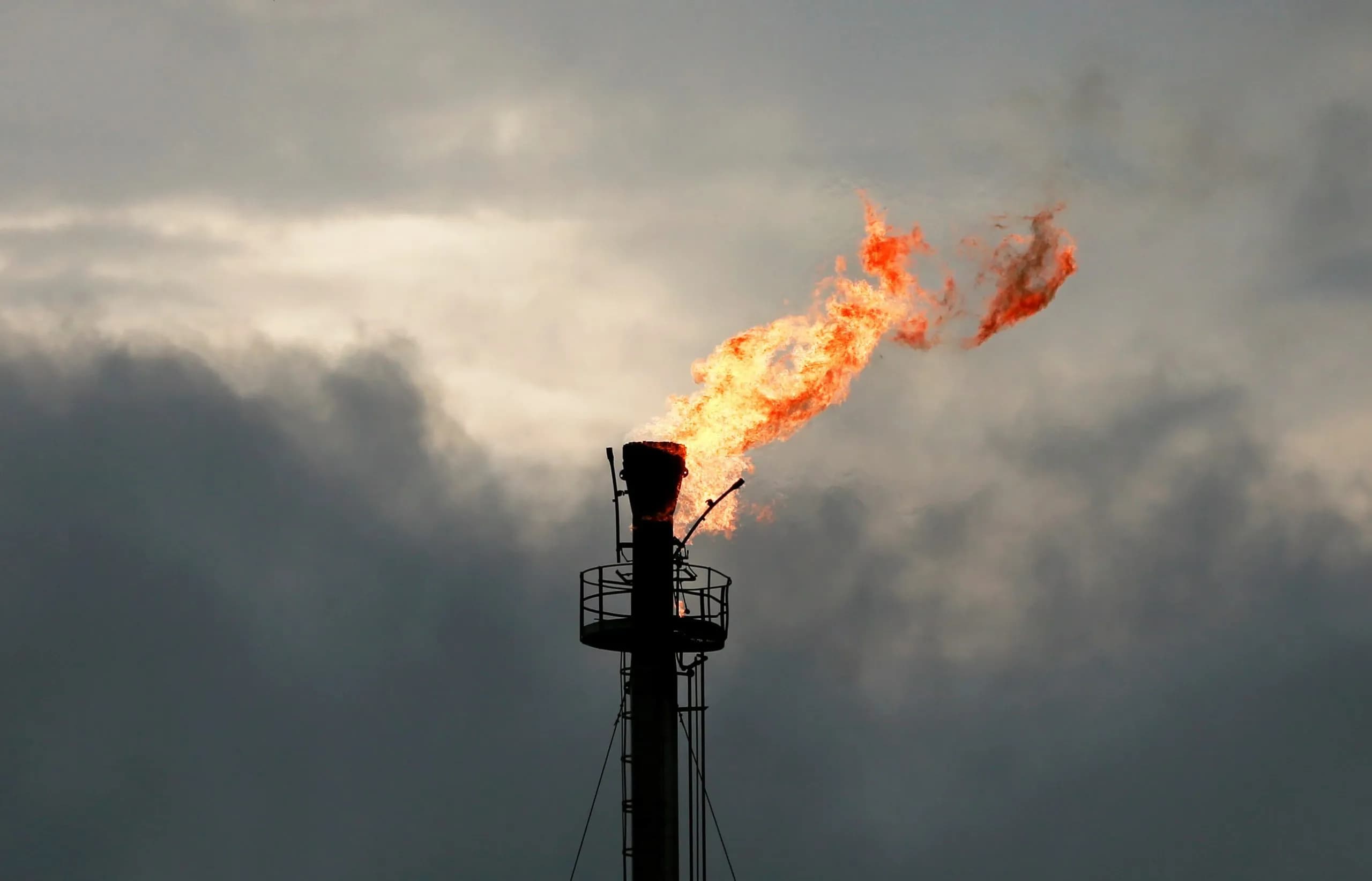
The Southeastern region of Nigeria holds significant gas reserves, positioning it as a potential major player in Nigeria’s gas economy. Despite the country’s current status as a gas powerhouse, the Southeast’s vast deposits remain largely untapped, overshadowed by the oil-rich Niger Delta region. However, recent developments, infrastructure initiatives, and policy discussions suggest that the region could be central to the future of Nigeria’s gas sector.
Nigeria is home to the largest natural gas reserves in Africa, with an estimated 209 trillion cubic feet (tcf) of proven gas reserves, ranking 9th globally. A considerable portion of this reserve is located in the Southeastern states, such as Anambra, Enugu, Abia, and Imo.
Recent discoveries in Anambra Basin have stirred interest, with the Nigerian National Petroleum Corporation Limited (NNPCL) declaring the basin as commercially viable. The Orashi River in Imo State and other locations in the region have also been identified as promising for large-scale gas extraction.
In 2023, President Bola Tinubu’s administration reaffirmed its commitment to harnessing the region’s gas potential. Minister of State for Petroleum Resources, Heineken Lokpobiri, emphasised during a recent gas summit that the Southeast’s reserves would be central to Nigeria’s “Decade of Gas” initiative. However, the region’s gas exploration faces significant challenges, from underdeveloped infrastructure to environmental and community issue
Nigeria’s gas infrastructure is primarily concentrated in the Niger Delta, leaving the Southeastern region underserved. This has stifled the potential for large-scale commercial gas exploitation and exportation. The Nigeria Gas Transportation Network Code (NGTNC), introduced in 2020, aims to address such gaps by standardising the transportation of gas across regions, including the Southeast.
The Ajaokuta–Kaduna–Kano (AKK) pipeline, a project that aims to enhance gas distribution nationwide, has been touted as a potential catalyst for gas development in the Southeast, although it currently bypasses the region. The extension of this pipeline or the development of new pipelines specifically targeting the Southeast is essential to fully unlock its gas resources.

In addition, local infrastructure development within the region is key. In 2022, the Nigerian Gas Company, a subsidiary of NNPCL, announced plans to explore public-private partnerships to build gas processing plants in the region, though progress has been slow.
The Nigerian government has made significant strides in reforming its energy policies in recent years. The Petroleum Industry Act (PIA) of 2021 is seen as a game-changer for the entire oil and gas sector. The act promotes gas commercialisation and includes fiscal incentives for gas exploration, especially in new frontiers like the Southeast. The PIA also establishes the Midstream Gas Infrastructure Fund, which could be tapped to finance critical projects in the region.
Despite these measures, industry stakeholders have called for more targeted policy actions. The Tinubu administration has continued with the National Gas Expansion Programme (NGEP) initiated under President Muhammadu Buhari, which seeks to promote domestic gas utilisation. However, there are growing calls for more specific policies and incentives tailored to the Southeast, including tax holidays, more favorable pricing mechanisms, and streamlined approval processes for exploration companies.
Several multinational and local companies have expressed interest in the Southeast’s gas resources. In 2023, NNPCL signed a significant MoU with Shell Petroleum Development Company (SPDC) and Seplat Energy to explore the Anambra Basin. This partnership is expected to unlock significant gas reserves and attract further investments into the region.
Similarly, international oil companies (IOCs) like TotalEnergies and ENI have signaled their willingness to expand their gas exploration activities into the Southeastern states, driven by the Nigerian government’s emphasis on gas as a cleaner alternative to oil.
In addition, local companies such as Oando PLC and other indigenous oil players are also exploring opportunities to tap into the region’s gas potential. Oando recently entered into discussions with the government on setting up gas processing plants in Anambra State, while Seplat has also expressed interest in expanding its gas portfolio into Southeastern fields.
Despite the potential, several challenges remain. The region’s gas infrastructure needs significant investment, and the issue of community unrest and environmental degradation must be addressed. Local communities, especially in Anambra and Imo states, have voiced concerns about the impact of gas extraction on their farmlands and water resources.
Security concerns, particularly relating to militant activities and vandalism of pipelines, also pose a threat to gas operations in the Southeast. The government has promised a more robust security framework in collaboration with state governments to protect gas infrastructure.
The Southeastern region of Nigeria holds immense potential to contribute significantly to the country’s gas economy. While significant steps have been taken in exploration and policy development, more infrastructure investment and tailored policies are essential to realise this potential fully.
The Tinubu administration has an opportunity to reposition the Southeast as a critical player in the country’s gas economy, providing jobs, generating revenue, and driving industrialisation. With growing global demand for cleaner energy sources, Nigeria’s Southeastern gas reserves could be a key to sustainable economic growth in the coming years.