
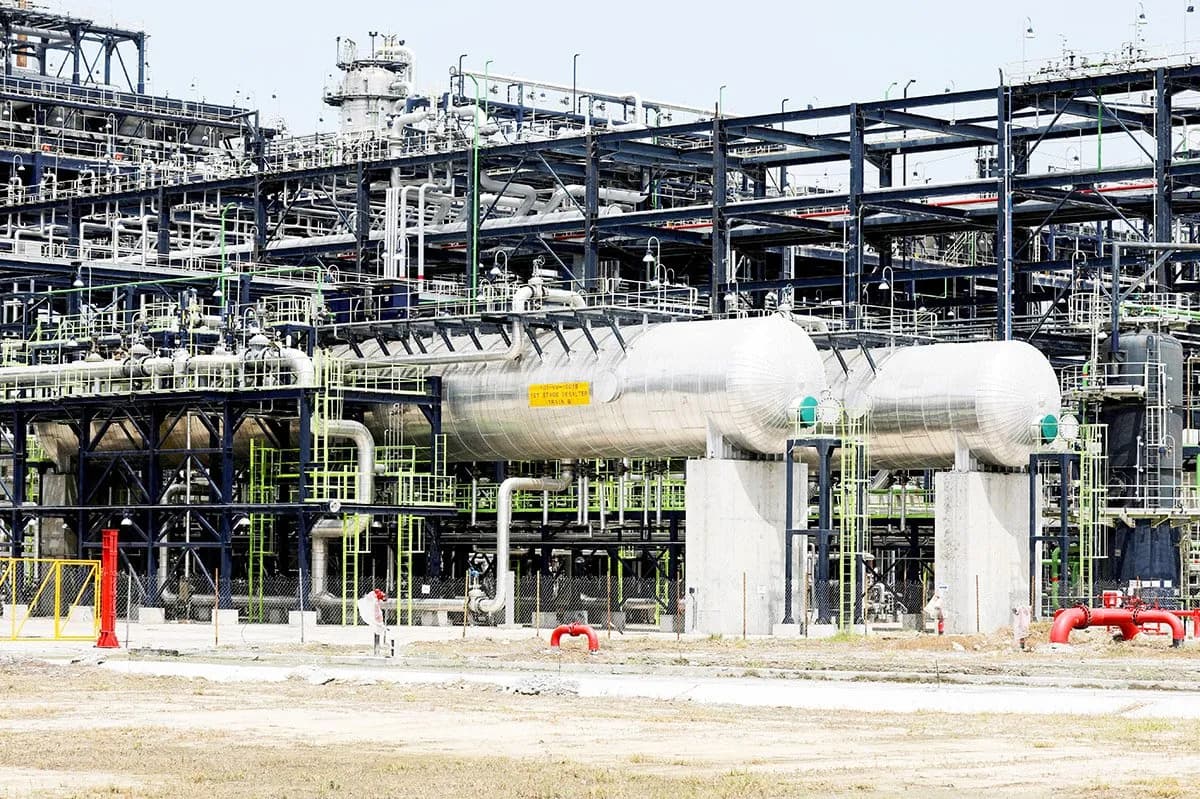
The Federal Ministry of Petroleum Resources, along with key stakeholders in the oil and gas sector, has raised concerns about the urgent need to fully implement the 2021 Petroleum Industry Act (PIA) to drive economic growth.
Nicholas Ella, Permanent Secretary of the Ministry of Petroleum Resources, alongside other stakeholders, made this call at a one-day engagement on “Harnessing the Petroleum Industry Act (PIA) as a Catalyst for Investment in Nigeria’s Oil and Gas Sector” in Abuja. The event was organized by the Ministry of Petroleum Resources.
Represented by Mohammed Abubakar, Director of Midstream and Downstream, Ella reflected on the significance of the PIA, which was enacted in 2021 to promote efficiency, boost transparency, and support sustainable practices.
“The PIA also marks a new chapter for investors, providing clarity and stability in fiscal regimes, which are essential for fostering both local and international investment,” Ella noted.
He further highlighted the positive impact of the Act on oil production: “In 2023, Nigeria saw a rebound in oil production, averaging 1.4 million barrels per day in the third quarter, a significant improvement from the previous year. This resurgence was driven largely by the enhanced operational environment fostered by the PIA, as well as the continued efforts to combat oil theft and pipeline vandalism.”
Ella encouraged stakeholders to prioritise concrete actions that will maximise the benefits of the PIA, stating, “I encourage all stakeholders, whether from government, industry, investment, or host communities, to focus on actionable outcomes that will maximize the benefits of the PIA.”
He also emphasised Nigeria’s leadership potential in Africa’s energy sector: “With the PIA, Nigeria is ready to lead Africa in energy investments, attract global capital, and maintain its pivotal role in the international energy arena.”
Ahmed Galadima, Executive Secretary of the Petroleum Technology Development Fund (PTDF), highlighted the fund’s commitment to supporting the energy transition and gas development initiatives. Represented by Muhammad Abdulrahman, Deputy General Manager of Education and Training, Galadima said, “We will ensure that Nigeria benefits fully from its hydrocarbon wealth and the government’s efforts in energy transition.”
Galadima further outlined PTDF’s strategy: “We have a comprehensive roadmap that focuses on expanding our partnerships with international research and academic institutions, oil companies (IOCs), and multilateral organisations. This will support skills transfer, enhance capacity building, and integrate cutting-edge technology into Nigerian operations, enhancing the oil and gas value chain.”
He also mentioned PTDF’s plans to develop gas innovation and renewable energy research centers to help Nigeria meet global energy transition targets.
Mohammed Shehu, Chairman of VG Energy, addressed the role of technology in the sector, speaking on “Unlocking Nigeria’s Oil and Gas Potential through the PIA and Leveraging Technology to Combat Oil Theft and Boost Government Revenue.” He emphasised the importance of deploying modern technologies, stating, “The government could deploy pipeline surveillance and monitoring systems, blockchain technology for supply chain management, the Internet of Things, and artificial intelligence to boost activities in the oil and gas sector.”
Gideon Obande, an official with YIN, underscored the need for accurate data on crude oil production: “There has to be a systematic assessment of production levels to address operations to the extent that we can be precise about the barrels of oil we produce as a nation and track the stolen ones,” Obande said.