

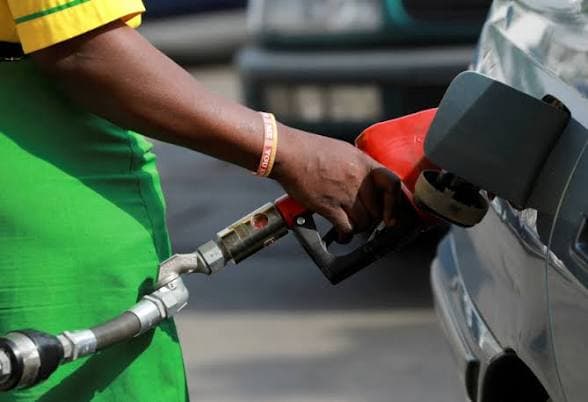
Nigeria is facing renewed pressure from the global energy shock as governments in 94 countries introduce fuel subsidies, price caps and tax measures to shield consumers from soaring energy costs linked to the U.S.-Iran conflict and disruption around the Strait of Hormuz.
While other oil-consuming nations are rolling out measures to soften the impact, Nigerian consumers continue to face elevated petrol and diesel prices under the Federal Government's market-based pricing policy, with the country's expanding domestic refining capacity providing an important buffer against a more severe supply shock.
The International Energy Agency said more than 115 countries had introduced measures in response to the crisis. Of these, 94 adopted price-support measures, 58 introduced energy-conservation policies and 30 announced longer-term policies to reduce fuel consumption.
For Nigeria, the impact has been particularly significant because higher international crude prices and restricted shipping have increased replacement costs for petroleum products. Petrol prices rose above ₦1,300/litre in parts of the country during the height of the disruption before easing towards ₦1,200/litre, while higher energy costs continued to feed into transportation, food and business expenses.
The IEA's head of analysis for its Office of Energy Efficiency and Inclusive Transitions, Jérôme Bilodeau, said conservation measures could moderate the impact but could not replace the enormous volume of energy normally transported through Hormuz. “Demand-side measures are not enough to replace the sheer size of energy that’s transiting through that strait, but it can dampen and moderate the impact,” he said.
Countries such as Japan and South Korea have introduced fuel subsidies and price caps, while Vietnam reduced taxes on electric vehicles and India promoted electric cooking. These interventions contrast with Nigeria's decision to retain market pricing after the removal of petrol subsidy in 2023.
The Dangote Petroleum Refinery has, however, emerged as a critical factor in Nigeria's ability to absorb external supply shocks. Increased domestic refining has reduced the country's reliance on imported petrol and created a local supply source capable of responding to changes in international markets, even though domestic prices remain exposed to crude prices, foreign exchange and other market costs.
Former Nigerian Association of Energy Economics President, Prof Adeola Adenikinju, urged the Federal Government to use part of the additional revenue generated from higher crude prices to support vulnerable Nigerians. “This is the time that Nigeria should say, ‘Look, we are sending some cash to those poor people who are vulnerable,’” he said.
Downstream operators have also called for targeted relief rather than a return to the former subsidy regime. PETROAN National President, Billy Gillis-Harry, urged the government to channel some of the gains from higher crude prices towards consumers, while IPMAN spokesman Chinedu Ukadike called for lower petroleum-related charges and rehabilitation of pipelines to reduce transportation costs.
Finance Minister and Coordinating Minister of the Economy, Taiwo Oyedele, has maintained that the government will not restore petrol subsidy or impose price controls, arguing that such measures would distort the market. With the Dangote refinery strengthening domestic supply, the immediate policy test is now whether Nigeria can use its growing refining advantage, rather than another subsidy cycle, to prevent an international energy crisis from becoming a deeper domestic cost crisis.