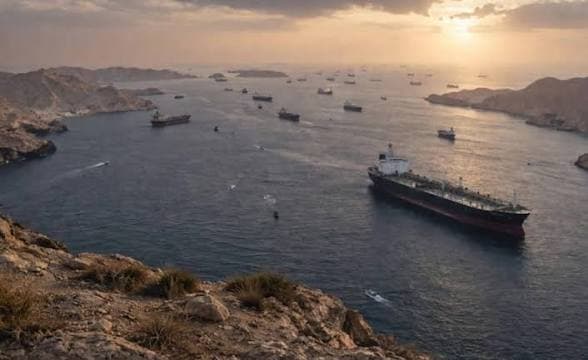
Shipping movements through the Strait of Hormuz remain significantly below pre-conflict levels, with vessel traffic still about 65% lower despite ongoing efforts to restore normal maritime operations following the US-Iran conflict.
According to a report by the United Kingdom Maritime Trade Operations (UKMTO), 139 vessels exited the strategic waterway over the past week, while 169 entered. This compares with 170 outbound and 155 inbound vessels recorded in the preceding week, indicating that shipping activity remains subdued.
The report also recorded eight maritime security incidents during the week. Five occurred in the Strait of Hormuz, two in the Persian Gulf and one in the Gulf of Oman, highlighting the continuing security risks facing commercial shipping across the region.
Since military operations against Iran began on February 28, UKMTO has documented 163 conflict-related maritime incidents, of which 141 involved damage to vessels.
The continued reduction in vessel movements is significant for the global oil market because the Strait of Hormuz is a critical transit route for crude oil, petroleum products and liquefied natural gas shipments from the Gulf. Prolonged restrictions and security concerns could delay cargo movements, increase shipping and insurance costs, and complicate supply planning for refiners and commodity traders.
For Nigeria's downstream market, sustained disruption along the route could influence international product availability, freight costs and replacement prices for imported petroleum products. Although crude prices have recently weakened on expectations of easing US-Iran tensions, the latest UKMTO figures show that maritime activity has yet to return to pre-conflict levels.