

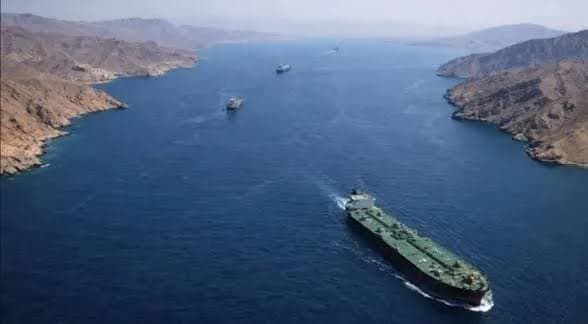
Global crude oil prices slipped on Friday as the market balanced increased oil flows through the Strait of Hormuz against soaring tanker costs caused by the Iran war and disruption to regional shipping routes.
The latest development in the oil market has been the sharp escalation in tanker freight costs as Gulf producers seek to move more crude through the Strait of Hormuz. Earnings on the benchmark Saudi Arabia-to-China supertanker route reached a record $647,000 per day on Thursday, according to Baltic Exchange data cited by Bloomberg.
The rate is more than 10 times its level a year ago and almost 27 per cent above the $510,000 recorded just 10 days earlier. The surge reflects a shortage of tankers willing to risk voyages through Hormuz, leaving Gulf exporters competing for a much smaller pool of available vessels.
The disruption is also increasing the cost of individual crude shipments. Some producers are moving crude through Hormuz before transferring the cargo to other tankers outside the Gulf, effectively creating two separate freight costs. TotalEnergies chief executive Patrick Pouyanné had earlier estimated that moving a cargo through the strait cost about $20 million, with market participants indicating that costs have increased further.
Freight rates are rising beyond Hormuz as well. A tanker travelling from Oman to China now commands about $220,000 per day, compared with $131,000 a month ago, while Houthi attacks in the Red Sea have forced some Saudi crude shipments to take longer routes through the Mediterranean and around Africa.
Despite the disruption, traders estimate that 6 million to 8 million barrels per day are still moving through the Strait of Hormuz. Goldman Sachs, however, estimates current flows at about two-thirds of pre-war levels, leaving the market exposed to further supply and shipping disruptions.
For oil markets, the immediate pressure is therefore not only how much crude Gulf producers can export, but how efficiently and affordably those barrels can be transported to buyers, particularly in Asia.