

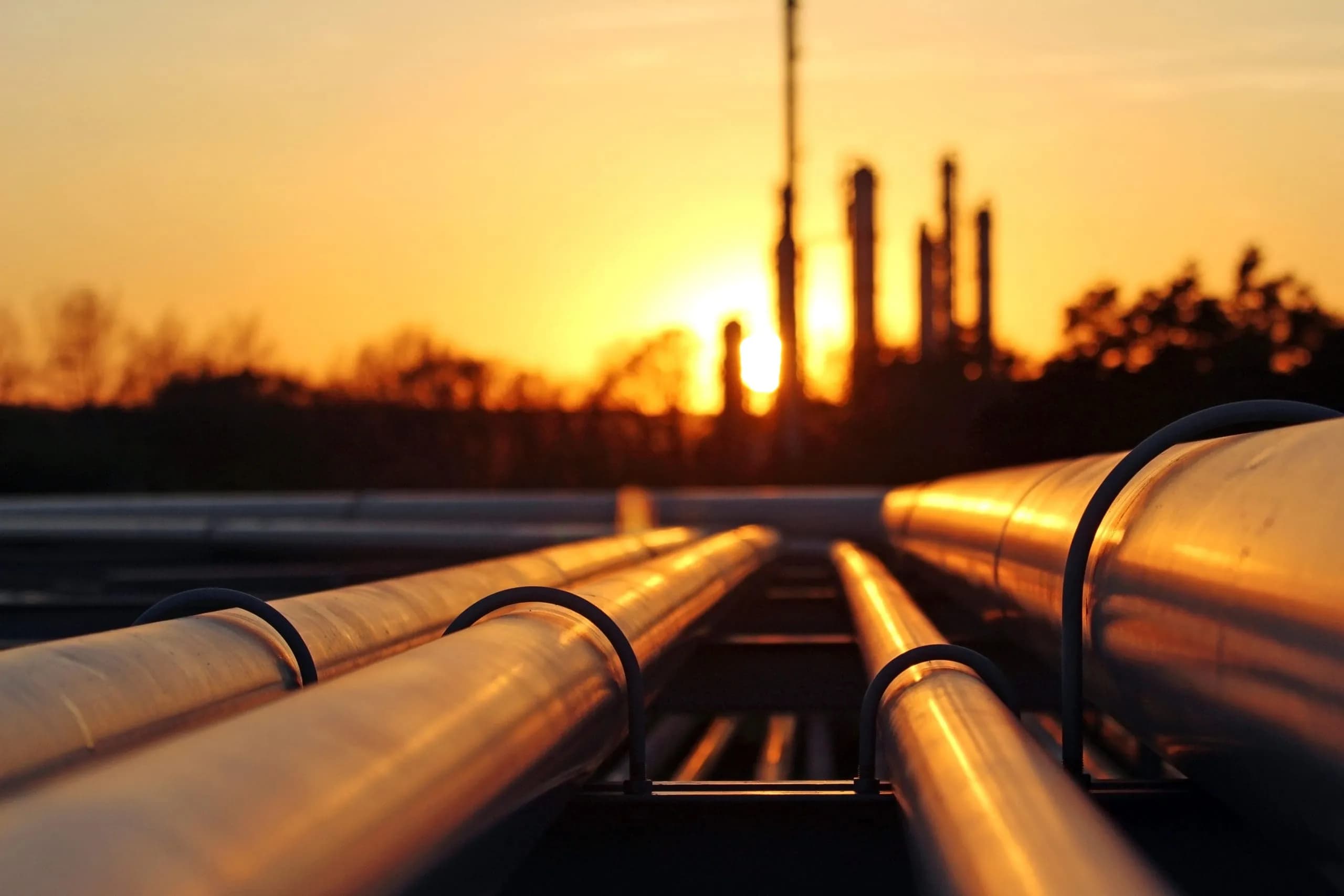
The transportation of petroleum products through pipelines remains a crucial element of Nigeria’s energy infrastructure, supporting the movement of crude oil and refined products across the country. This system, however, faces mounting challenges, with severe implications for the nation’s economy, energy security, and industrial competitiveness.
Nigeria’s petroleum pipeline network, managed primarily by the Nigerian National Petroleum Corporation (NNPC) and its subsidiary, the Nigerian Pipelines and Storage Company (NPSC), spans over 5,000 kilometres. This vast infrastructure connects the country’s oil production fields in the Niger Delta to refineries in Warri, Port Harcourt, and Kaduna, as well as depots across the nation. It plays a pivotal role in ensuring petroleum products such as petrol, diesel, and aviation fuel reach key markets, industrial centres, and remote communities.
Despite its importance, the pipeline system faces persistent disruptions, including pipeline vandalism, sabotage, and oil theft. These activities have caused widespread operational inefficiencies, with the NNPC estimating losses of over ₦174.6 billion in 2023 alone due to theft and related activities. Furthermore, the forced reliance on road tankers for transporting refined products has led to increased costs, road congestion, accidents, and greater wear on Nigeria’s already inadequate road infrastructure.
The environmental impact of pipeline vandalism also cannot be overstated. Oil spills resulting from pipeline breaches have devastated local ecosystems, particularly in the Niger Delta, where farming and fishing communities have been severely affected. Cleanup efforts are costly and lengthy, often leaving communities to endure polluted environments long after spills occur.
To maintain oversight and security of this critical network, several key agencies are involved. The Nigerian Midstream and Downstream Petroleum Regulatory Authority (NMDPRA), established under the Petroleum Industry Act (PIA) of 2021, is the primary regulatory body overseeing pipelines. It ensures operators comply with technical standards, safety protocols, and environmental regulations in the transportation and storage of petroleum products.
The Nigerian Pipelines and Storage Company (NPSC), another NNPC subsidiary, is directly responsible for the maintenance, operation, and expansion of the pipeline infrastructure. In recent years, NPSC has faced increasing pressure to modernise aging pipelines and develop new ones to meet rising domestic demand and support Nigeria’s broader economic ambitions, including expanding its refining capacity through projects such as the Dangote Refinery.
Security remains a key concern, with The Nigerian Security and Civil Defence Corps (NSCDC) working closely with the NPSC to safeguard pipelines from attacks. The NSCDC, supported by the Nigerian military and local security contractors, routinely patrols critical sections of the network. However, despite increased funding and advanced surveillance technologies, including drone monitoring and satellite imagery, pipeline breaches remain frequent.
In response to the growing crises facing pipeline transportation, the Federal Government has initiated several key strategies. One of the most prominent is the ongoing upgrade of the pipeline network, with plans to replace aging steel pipes prone to leaks and corrosion with modern, more durable alternatives. The NNPC has also begun installing automated leak detection and real-time monitoring systems to allow for quicker responses to incidents of vandalism or operational failures.
Public-private partnerships (PPPs) have been introduced to bring in private sector capital and expertise to rehabilitate and manage the pipeline infrastructure. Under these agreements, private companies are granted rights to operate and maintain specific pipeline sections in exchange for a share of the revenues generated from the transportation of petroleum products. This model aims to ensure efficiency, better security, and transparency.
Perhaps the most ambitious of these collaborations is the NNPC’s deal with China’s Petroleum Pipeline Bureau to construct a 614-kilometre Ajaokuta-Kaduna-Kano (AKK) pipeline, a critical infrastructure project designed to transport gas from Nigeria’s southern gas fields to the northern region. Once completed, the AKK pipeline is expected to spur industrial growth and economic development across northern Nigeria while contributing to the government’s long-term goal of expanding gas as a cleaner alternative to oil in the energy mix.
Dangote Refinery, located in Lagos, represents a major shift in Nigeria’s downstream petroleum sector. With an estimated refining capacity of 650,000 barrels per day in full capacity. the refinery is poised to reduce Nigeria’s dependency on imported refined products and in its few months of operation it is achieving its goal. Its long term success, however, will rely heavily on the existing and expanded pipeline network for distributing its products across Nigeria and into West Africa.
In addition to supplying domestic markets, the Dangote Refinery aims to become a regional energy hub, exporting refined petroleum to neighbouring countries. This ambition makes the reliability and security of Nigeria’s pipeline infrastructure even more critical, as any breakdowns in transportation could hinder the refinery’s ability to fulfil its supply commitments and maintain its competitiveness.
The transportation of petroleum products through pipelines remains a cornerstone of Nigeria’s oil and gas industry. However, unless the challenges of vandalism, aging infrastructure, and underinvestment are addressed, the sector’s ability to support the economy will continue to weaken. The government’s focus on modernising the pipeline network, increasing security, and encouraging private investment are steps in the right direction, but sustained political will, better regulatory enforcement, and stronger community engagement are essential for long-term success.
As Nigeria positions itself to benefit from its substantial oil and gas resources, an efficient and secure pipeline system is critical to achieving the nation’s economic goals and ensuring energy stability both domestically and across the West African sub-region.