

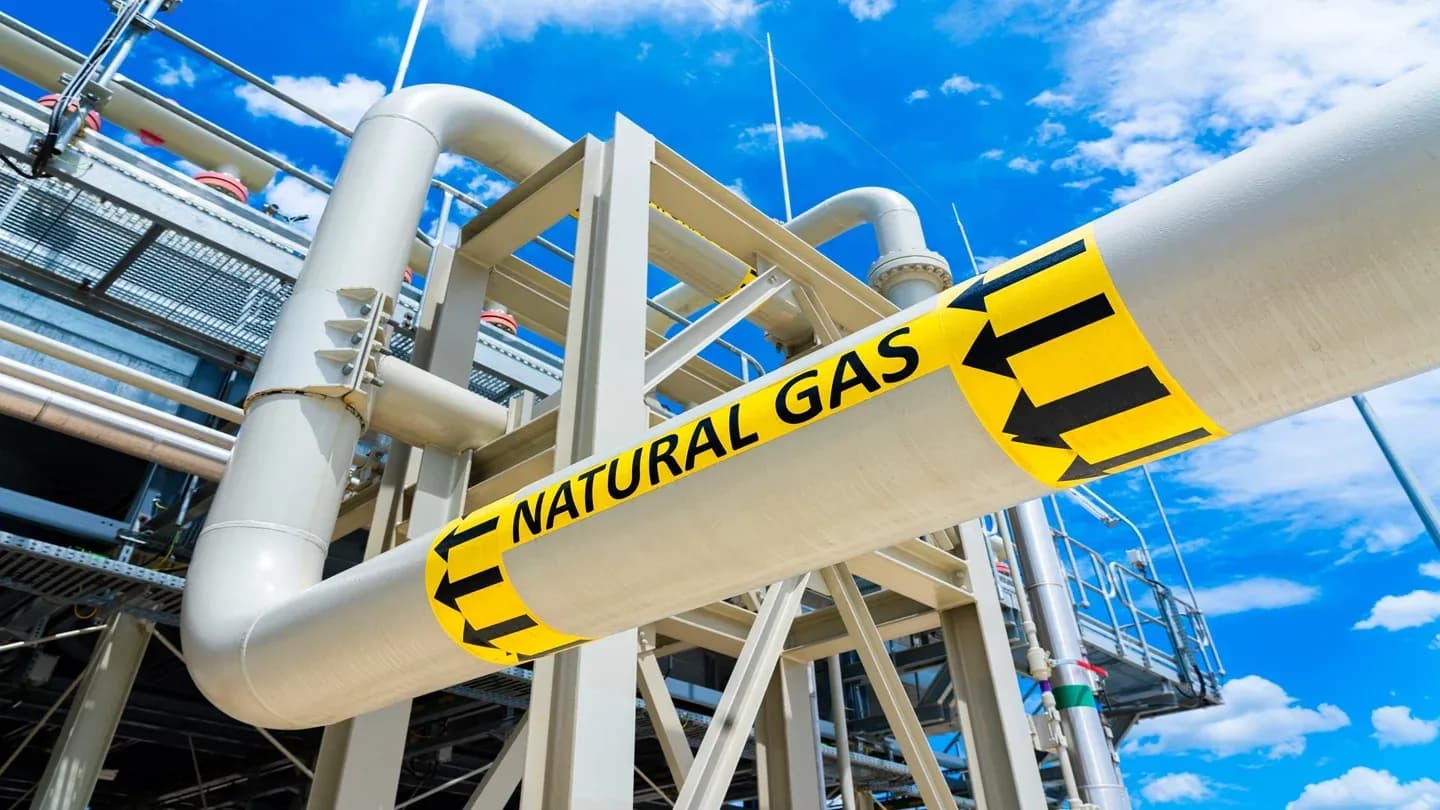
Nigeria is positioning itself at the forefront of Africa’s energy transition, with natural gas playing a critical role in the nation’s strategy to move towards cleaner and more sustainable energy sources. As global energy markets shift focus from crude oil to greener alternatives, the federal government is seizing the opportunity to leverage its vast natural gas reserves to meet both domestic and international energy demands.
Natural gas is poised to become a key driver in Nigeria’s energy future, serving as a bridge between the existing reliance on oil and its goal of a more diversified energy portfolio. Gas is not only cleaner than oil but also more abundant in Nigeria. With estimated reserves of 206 trillion cubic feet (tcf), Nigeria ranks among the top 10 countries globally in natural gas reserves. This places the nation in a prime position to support both its energy needs and export ambitions, particularly as the world seeks to reduce carbon emissions.
President Bola Tinubu’s administration has prioritised the development of natural gas as a cornerstone of Nigeria’s energy transition. The government’s “Decade of Gas” initiative, launched in 2021, is aimed at transforming Nigeria into a gas powered economy by 2030. Under this plan, the government is working to enhance domestic utilisation of gas while boosting investments in infrastructure to support gas exports.
This vision is being further supported by the Presidential Directive on Gas Utilisation and Investments, introduced in 2024. The directive provides tax incentives and regulatory frameworks that encourage both local and international investment in Nigeria’s gas sector. These measures are intended to fast-track projects and incentivise companies to invest in the nation’s gas infrastructure, from exploration to processing and distribution.
Nigeria’s push towards a gas based economy is not only driven by environmental concerns but also by the economic benefits that the gas industry could bring. Natural gas presents a significant opportunity to reduce the nation’s reliance on crude oil revenues, which have historically been vulnerable to price fluctuations and global market shifts. By capitalising on its gas reserves, Nigeria can diversify its export base, reduce fuel imports, and stimulate economic growth through industrialisation.
The federal government has been actively promoting the use of natural gas in power generation, transportation, and industries, with projects such as the Ajaokuta-Kaduna-Kano (AKK) pipeline playing a key role in expanding access to gas across the country. The AKK pipeline, when completed, is expected to deliver gas to key industrial hubs in northern Nigeria, driving economic development in the region and supporting the country’s broader industrialisation goals.
As part of its commitment to reducing carbon emissions, Nigeria has pledged to achieve net-zero emissions by 2060. Natural gas, with its lower carbon footprint compared to coal and oil, is seen as an essential part of the energy mix that will help Nigeria meet its climate goals while maintaining energy security.
Natural gas offers a transitional fuel that can be used in power plants to generate electricity with fewer emissions. It is also essential in the development of Nigeria’s liquefied natural gas (LNG) sector, which holds potential for large-scale exports to Europe and Asia as these regions look to diversify their energy sources away from coal and Russian gas.
Despite its potential, the full realisation of Nigeria’s gas sector faces several challenges. These include the need for substantial investments in infrastructure, security concerns in gas-producing regions, and regulatory hurdles that have historically slowed down the progress of energy projects.
However, the Nigerian government has taken proactive steps to address these issues. The recent launch of the Presidential Directive on Reduction of Petroleum Sector Contracting Costs and Timelines is aimed at speeding up the approval process for gas projects and making the sector more attractive to investors. Additionally, the government is working on policies to incentivise indigenous companies to participate in the gas sector, further boosting local capacity.
Nigeria’s embrace of gas as part of its energy transition strategy comes at a time when the global energy landscape is evolving rapidly. As countries around the world set ambitious carbon reduction targets, demand for cleaner energy sources is increasing. Natural gas, particularly LNG, is expected to play a central role in meeting this demand, and Nigeria is well-positioned to become a major player in the global gas market.
With international demand for LNG projected to rise in the coming decades, Nigeria has an opportunity to capitalise on its vast reserves and establish itself as a key supplier. The country’s existing infrastructure, such as the Nigeria Liquefied Natural Gas (NLNG) facility, and planned projects like the AKK pipeline, place it in a strong position to increase exports and meet growing global demand.
The future of Nigeria’s energy sector is closely tied to its ability to harness the potential of its natural gas reserves. With the right investments, policies, and infrastructure, Nigeria can emerge as a leader in the global energy transition, while also fostering economic growth and ensuring energy security at home.
As the world moves towards a cleaner energy future, Nigeria’s natural gas reserves will remain a critical asset. By embracing this opportunity and addressing the challenges ahead, the nation can carve out a significant role in the global energy landscape, ensuring a prosperous and sustainable future for generations to come.