

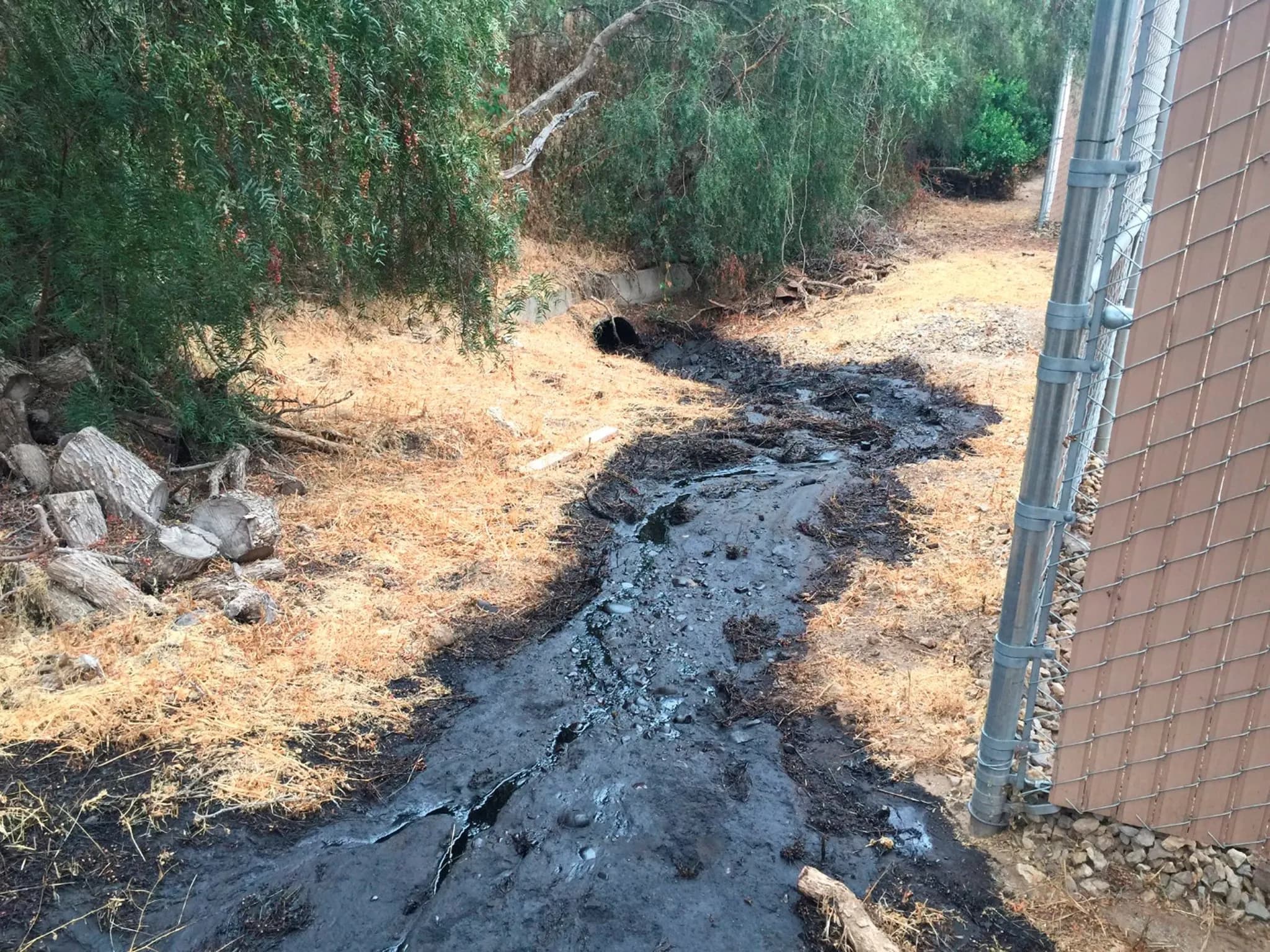
Crude oil spillage has long been a major environmental and economic challenge for Nigeria, the largest oil producer in Africa. The spillage not only devastates ecosystems but also results in significant financial losses for International Oil Companies (IOCs), the Nigerian government, and local refineries. The ongoing spills have triggered public outcry, and despite efforts by relevant agencies, the issue remains persistent, affecting the economy, livelihoods, and the environment.
Environmental Impacts of Oil Spillage
The environmental consequences of crude oil spills are particularly severe in the Niger Delta, where most of Nigeria’s oil is produced. According to data from the Nigerian Oil Spill Monitor, there were over 1,300 oil spill incidents reported between 2019 and 2023, with the affected areas totalling thousands of hectares of farmlands, water bodies, and forests.
Oil spills destroy soil quality, making agricultural activities nearly impossible. Communities relying on fishing suffer immense losses as aquatic life is decimated by the pollutants. A 2021 study published by the Nigerian Institute for Oil and Gas (NIOG) revealed that over 60% of the mangroves in the Niger Delta have been destroyed by oil pollution, leading to the collapse of local ecosystems.
Notably, large-scale spills have contributed to poor air and water quality in affected regions, often resulting in health problems like respiratory issues and skin diseases among local residents.
Financial Impact on the Nigerian Government and IOCs
The economic implications of oil spillage are equally devastating. The Nigerian government loses billions of dollars annually in revenue from oil that is either lost to spills or siphoned off through illegal bunkering. According to the Nigerian National Petroleum Company Limited (NNPCL), Nigeria loses up to 400,000 barrels of crude oil daily due to theft and spillages. This amounts to approximately $10 billion annually, putting significant strain on government income.
For IOCs, the financial loss is substantial. Shell Petroleum Development Company (SPDC), Chevron, and ExxonMobil are among the major players in Nigeria’s oil sector that regularly report millions of dollars in losses due to oil spill-related incidents. These companies are also required to pay fines and compensation to affected communities, adding to their operational costs.
Impact on Local Refineries and the Economy
Local refineries in Nigeria, including the recently operational Dangote Refinery, face challenges due to inconsistent crude oil supply caused by spills. With crude oil being diverted to illegal markets or lost in spills, refineries struggle to maintain optimal production levels. This creates a ripple effect on fuel prices and the availability of petroleum products, as well as stalling Nigeria’s ambition to be self-sufficient in fuel refining.
The economic impact extends to the local communities, where livelihoods are disrupted. Farming and fishing, which form the economic backbone of the Niger Delta, are severely affected. As a result, unemployment rises, poverty deepens, and tensions escalate between local communities and oil companies.
Government Efforts
Efforts to curb oil spills and mitigate their effects are led by key agencies such as the Nigerian Upstream Petroleum Regulatory Commission (NUPRC) and the National Oil Spill Detection and Response Agency (NOSDRA). These agencies are responsible for monitoring oil spills, enforcing regulations, and ensuring cleanup operations. Despite their efforts, the problem remains due to weak enforcement, corruption, and the involvement of criminal syndicates in oil theft.
In response to increasing spills, the Nigerian government launched the “Hydrocarbon Pollution Remediation Project” (HYPREP), aimed at cleaning up oil-polluted sites in the Niger Delta. However, progress has been slow, and the project has faced criticism for failing to address the root causes of spills, such as pipeline sabotage and poor maintenance by IOCs.
In line with the federal government’s “Decade of Gas” initiative, which focuses on cleaner energy sources and reducing environmental damage, there is hope that alternative energy solutions like Compressed Natural Gas (CNG) could reduce Nigeria’s reliance on crude oil, ultimately curbing oil spillages.
Current Data and Statistics
- 1,300+ oil spills reported between 2019 and 2023 in Nigeria.
- $10 billion lost annually to oil theft and spillages, according to NNPCL.
- Nigeria loses 400,000 barrels of crude oil daily due to theft and spills.
Crude oil spillage remains a formidable challenge for Nigeria’s environment, government revenue, and local refineries. While the Dangote Refinery and other projects provide hope for a more stable petroleum supply, ongoing spills undermine these efforts. For Nigeria to fully realise its energy potential and mitigate the environmental impact of oil exploration, a concerted effort from all stakeholders, including government agencies, IOCs, and local communities, is essential. Only then can the country achieve a balance between economic growth and environmental sustainability.