

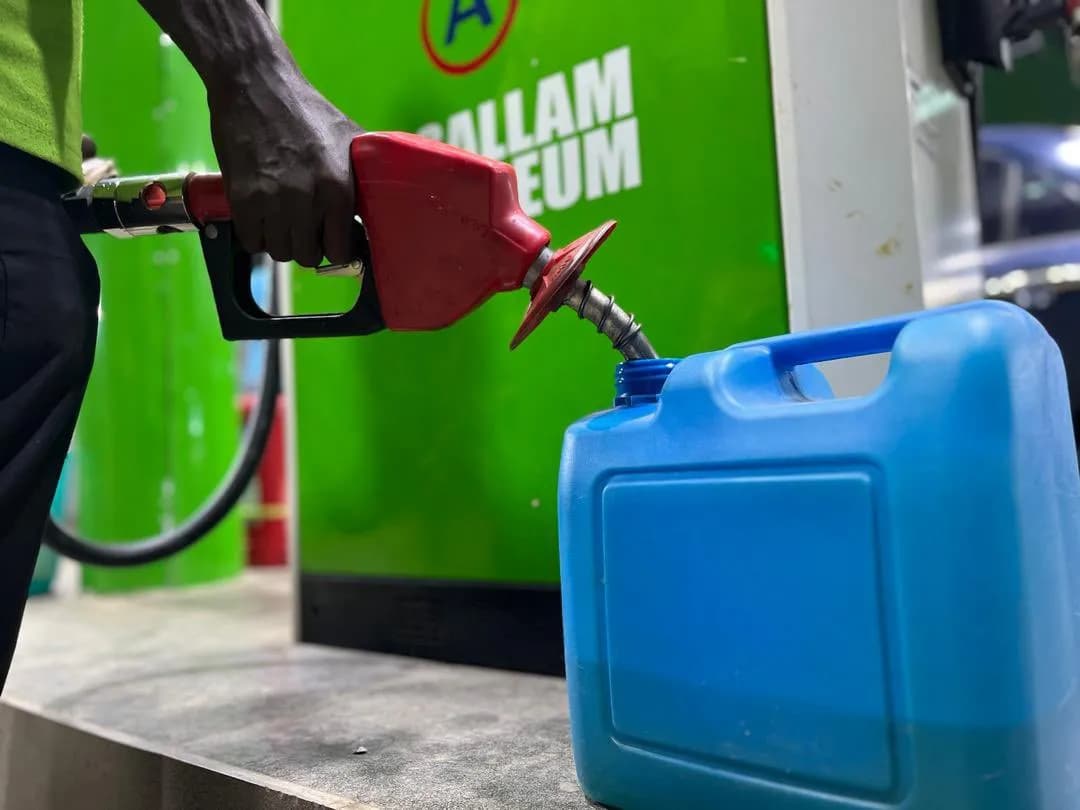
Petroleum pricing in Nigeria has always been a heated issue, shaped by government policies, market forces, and socio-economic realities. Over the years, successive administrations have struggled to balance affordability for Nigerians with economic sustainability. Now, the battle has taken a new turn, with Dangote Petroleum Refinery challenging the Nigerian National Petroleum Company Limited (NNPCL) and major oil marketers over fuel importation, sparking a legal showdown that could reshape Nigeria’s oil industry.
The End of Subsidy and the Price Wars
For decades, Nigeria maintained a fuel subsidy system to cushion citizens from high global oil prices. But this came at a heavy cost draining government revenues and encouraging corruption. In June 2023, President Bola Tinubu removed fuel subsidies, effectively deregulating the sector and allowing market forces to determine prices.
Since then, petroleum prices have fluctuated based on crude oil costs, exchange rates, and supply dynamics. The removal of subsidies also created an opportunity for local refineries like Dangote’s $19 billion facility to take centre stage. However, the transition has been anything but smooth.
The Legal Showdown: Dangote vs NNPCL and Oil Marketers
In October 2024, Dangote Petroleum Refinery filed a lawsuit against the Nigeria Midstream and Downstream Petroleum Regulatory Authority (NMDPRA), NNPCL, and major fuel marketers including AYM Shafa Limited, A.A. Rano Limited, and Matrix Petroleum Services Limited. Dangote is challenging the issuance of fuel import licences, arguing that it violates Sections 317(8) and (9) of the Petroleum Industry Act (PIA), which aims to promote local refining and reduce import dependence.
The refinery wants the court to cancel these import licences and is also demanding N100 billion in damages for what it describes as “unfair competition.” Dangote’s argument is simple: if Nigeria finally has a world-class refinery capable of meeting local demand, why is the government still allowing fuel imports?
NNPCL and Oil Marketers Hit Back
NNPCL and the oil marketers have fiercely opposed Dangote’s lawsuit. Their argument? Dangote Refinery currently does not have the capacity to meet Nigeria’s full demand, and restricting imports would lead to fuel shortages.
A lawyer representing the marketers stated, “The Nigerian market needs over 50 million litres of petrol daily. Dangote alone cannot meet this demand, so allowing only one refinery to supply the market is dangerous.”
In essence, NNPCL and the marketers believe competition is necessary to prevent a monopoly that could drive up prices and hurt consumers.
FCCPC Joins the Battle
The Federal Competition and Consumer Protection Commission (FCCPC) has also stepped into the legal battle, attempting to join the case to prevent what it sees as a potential monopoly. The commission argues that Dangote’s demand to restrict fuel imports could eliminate competition and allow one company to dictate prices.
However, Dangote is pushing back against FCCPC’s involvement, calling it an unnecessary intrusion.
Price Drops and Market Adjustments
As the battle rages, fuel prices have been fluctuating. Just recently, Dangote Refinery reduced its ex-depot petrol price to N890 per litre, citing a decline in global crude oil prices. This move was seen as an attempt to make its product more attractive amid stiff competition from imported fuel.
NNPCL, which still controls a significant portion of the market, has kept its ex-depot price slightly lower, ensuring that marketers continue to rely on imports rather than switching fully to Dangote’s locally refined products.
What Happens Next?
The Federal High Court in Abuja has set March 18, 2025, as the date to decide whether Dangote’s lawsuit will proceed. If the court rules in favour of Dangote, it could force a major shift in Nigeria’s fuel supply structure, possibly limiting fuel imports and strengthening local refining.
On the other hand, if the court sides with NNPCL and the marketers, it means imports will continue, and Dangote will have to compete more aggressively to secure a larger share of the market.
For everyday Nigerians, the outcome of this case will determine whether fuel prices stabilise, drop, or skyrocket once again. If competition remains, prices may fluctuate based on global trends. But if Dangote gains control, the refinery’s pricing strategy could set the tone for Nigeria’s fuel market.
The Bigger Picture
At its core, this battle is about control—who gets to dictate the supply and pricing of petrol in Africa’s biggest oil-producing nation?
- Dangote Refinery wants to dominate the local market and eliminate dependence on imports.
- NNPCL and the marketers want to keep multiple supply channels open to prevent shortages and maintain competition.
- FCCPC is watching closely to ensure no single entity gains a monopoly that could hurt consumers.
As Nigeria transitions towards full deregulation, the decisions made today will shape the country’s petroleum sector for years to come. One thing is certain: the politics of petroleum pricing is far from over.