

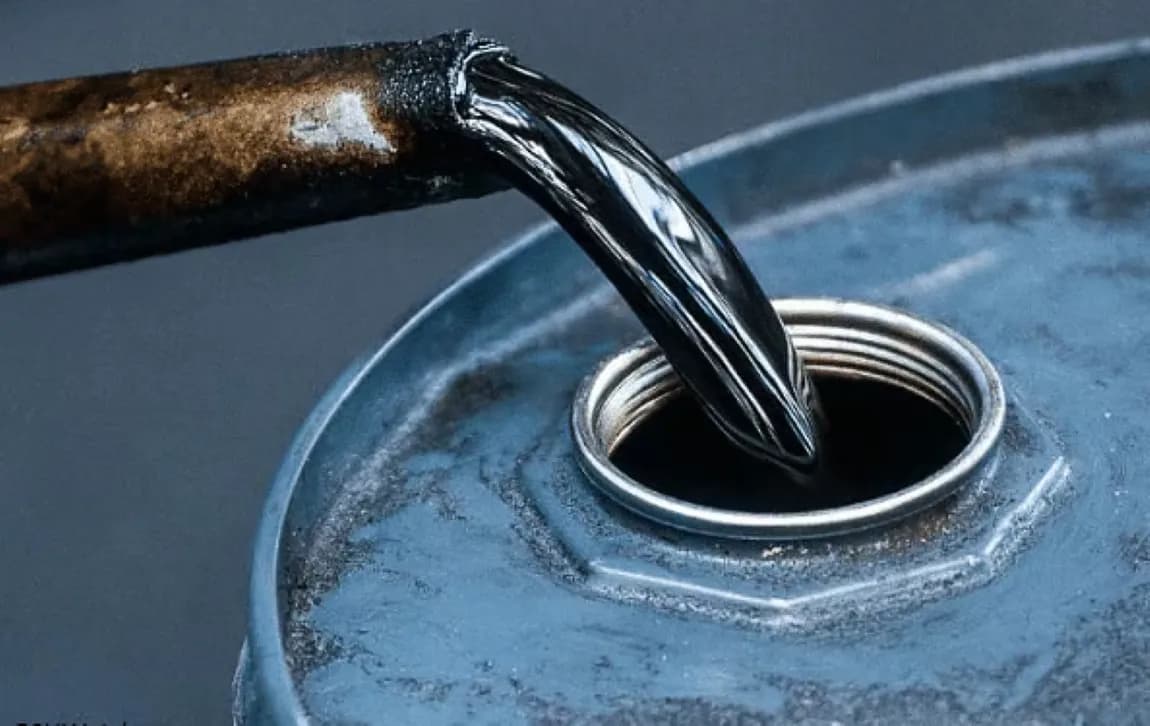
In Nigeria, diesel remains an essential fuel source for powering generators, heavy machinery, and commercial vehicles. With the nation’s energy infrastructure still struggling to meet demand, reliable diesel quality is crucial for businesses, industries, and even households. But have you ever wondered about the quality of the diesel you’re using and how it affects your equipment, your finances, and the environment?
Here’s a detailed look at what you need to know about diesel quality, how it impacts you, and what to watch out for:
- What Makes Diesel Quality Important?
In Nigeria, diesel is often sourced locally or imported, and the quality can vary significantly depending on where you get it. The reliability of diesel fuel directly affects everything from your generator’s lifespan to your vehicle’s performance. Poor-quality diesel can lead to serious consequences, including higher maintenance costs, reduced engine efficiency, and increased air pollution.
Several factors define diesel quality:
Cetane Number: This is a measure of how quickly diesel burns and how well it performs in an engine. In Nigeria, most engines perform best with a cetane number of 50 or higher. Lower-quality diesel with a low cetane number will cause rough running, poor fuel economy, and can even damage the engine over time.
Sulphur Content: High sulphur levels in diesel are common in Nigeria due to the use of less-refined fuel. Unfortunately, this results in higher emissions of harmful pollutants, including sulphur dioxide, which is a key contributor to air pollution. The global shift towards ultra-low sulphur diesel (ULSD) with a maximum of 15 parts per million (ppm) of sulphur hasn’t fully taken hold in Nigeria, where many still use higher sulphur content fuels. While ULSD is cleaner, it’s also more expensive and less available.
Contaminants like Water and Dirt: Diesel quality is often compromised by water, rust, and dirt contamination, especially during transportation and storage. This is a common issue in Nigeria, where poor infrastructure can lead to fuel adulteration. Contaminated diesel can clog filters, damage fuel injectors, and reduce the overall performance of engines, leading to higher repair costs.
- Why Diesel Quality Matters in Nigeria
For Nigerians, diesel is much more than just a transportation fuel it’s a backup power solution in a country where electricity supply remains unreliable. Businesses, hospitals, schools, and homes rely on diesel-powered generators to keep operations running during blackouts. The quality of this diesel can make a world of difference.
Generator Efficiency and Lifespan: Poor-quality diesel causes incomplete combustion, which not only reduces the efficiency of generators but also leads to faster wear and tear. Given how crucial diesel generators are for businesses, using low-grade fuel can significantly increase operating and maintenance costs.
Environmental and Health Impacts: Nigeria’s urban centres, such as Lagos and Port Harcourt, are already grappling with severe air pollution, partly due to the widespread use of low-quality diesel. High sulphur content in diesel contributes to the release of black smoke, which contains fine particulate matter and toxic gases. These emissions can cause respiratory problems, especially in densely populated areas.
Fuel Economy and Costs: In a country where fuel prices are volatile and diesel is expensive, using poor-quality diesel reduces fuel economy, meaning your generator or vehicle uses more fuel to perform the same tasks. The Marine Diesel Suppliers Association of Nigeria (MADSAN) has advocated for the general improvement on diesel infrastructure in the country because the effects of poor infrastructure doesn’t just only hits your pocket harder but also increases the frequency of fuel purchases, further exacerbating the cost burden.
- How to Identify Good Diesel in Nigeria
Given the variability in diesel quality across Nigeria, it’s important to know how to spot high-quality diesel and ensure you’re getting the best for your money.
Source from Reliable Suppliers: Trustworthy suppliers are crucial in Nigeria’s fuel industry especially those that are accociated with the Marine Diesel Suppliers Association of Nigeria (MADSAN) and Reputable filling stations and bulk fuel suppliers are more likely to provide diesel that meets international standards, especially if they have their fuel tested regularly. Avoid buying diesel from unverified roadside sources, as this fuel is more likely to be adulterated with water or lower-grade components.
Visual and Smell Tests: While this isn’t foolproof, diesel that is very cloudy or has a strong, unusual odour may be contaminated or of lower quality. Clean diesel should be clear with a slight oil-like smell. If you notice any anomalies, it’s best to avoid using that fuel in your machinery or vehicle.
Fuel Testing: For larger consumers of diesel, such as businesses running fleets or factories, regular fuel testing can be a worthwhile investment. By testing the diesel for water content, cetane number, and contaminants, you can prevent long-term damage to your equipment.
Use Additives: If you suspect that your diesel may not be of the best quality, additives can help improve its performance. Additives can increase the cetane number, reduce water contamination, and clean the fuel system.
- Biodiesel and Renewable Diesel: Future Trends for Nigeria
As the world moves towards greener, cleaner energy, biodiesel and renewable diesel have emerged as viable alternatives to traditional fossil-based diesel. Though not yet widespread in Nigeria, these renewable options are gaining traction globally and may offer long-term solutions for both environmental sustainability and fuel security.
Biodiesel: Made from vegetable oils and animal fats, biodiesel is renewable and biodegradable. It can be blended with traditional diesel to reduce emissions and improve fuel quality. However, biodiesel availability is still limited in Nigeria, and there are challenges related to scaling up its production.
Renewable Diesel: Renewable diesel is chemically identical to traditional diesel but is made from renewable resources like agricultural waste. It doesn’t require any engine modifications and offers a seamless transition to cleaner fuel. Although it’s more expensive, renewable diesel has the potential to significantly reduce Nigeria’s carbon footprint.
- Challenges and the Way Forward
The Nigerian diesel market faces several challenges when it comes to fuel quality. The widespread use of high-sulphur diesel, the lack of stringent regulations, and frequent contamination during transport and storage all contribute to the problem. However, there is hope.
With increasing awareness, there is pressure on the government to adopt stricter fuel standards, including mandating the use of ultra-low sulphur diesel. Additionally, as more Nigerians invest in fuel testing and high-quality suppliers, the market for substandard diesel could shrink, forcing suppliers to step up their game.
Diesel is a lifeline for many Nigerians, especially in the face of unreliable power supply. Ensuring the quality of diesel is key to maintaining the efficiency of generators, vehicles, and other heavy equipment. By sourcing fuel from reputable suppliers, investing in fuel testing, and considering additives or alternative fuels like biodiesel, Nigerians can reduce the impact of poor-quality diesel on their businesses and the environment.
As Nigeria continues to grow and evolve, diesel quality will remain an essential consideration in our journey toward a more efficient, cleaner, and sustainable future.