

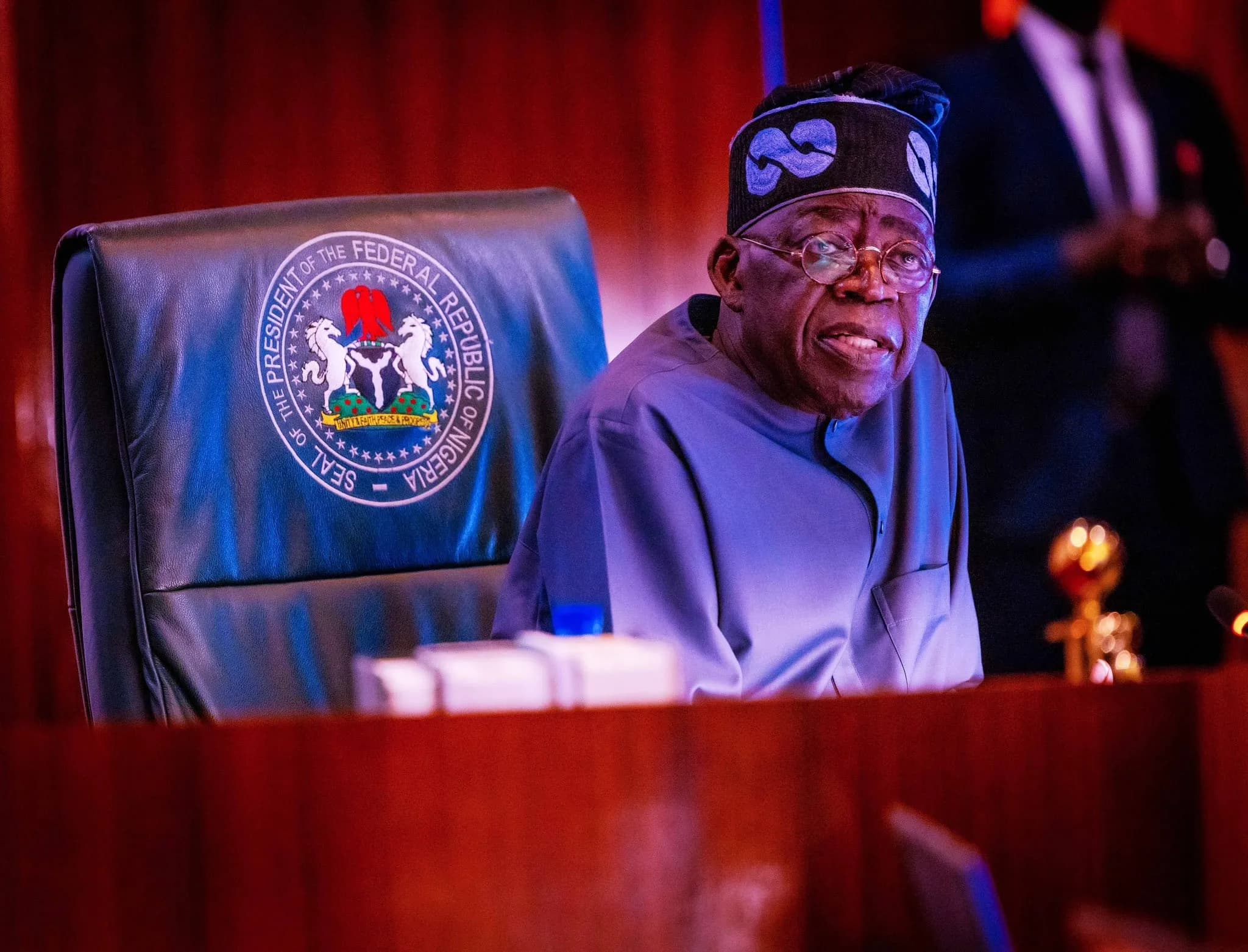
President Bola Tinubu has approved the commencement of commercial crude oil drilling at Tongeji Island in Ogun State, a landmark decision that could reposition the South-West as Nigeria’s newest oil-producing frontier while simultaneously unlocking the long-stalled Olokola Deep Seaport project.
The dual approvals signal a strategic shift in Nigeria’s energy and maritime development roadmap, expanding hydrocarbon exploration beyond the Niger Delta and reinforcing federal efforts to deepen coastal industrialisation, logistics efficiency and economic diversification.
Ogun State Governor, Dapo Abiodun, confirmed the approvals, describing them as transformational for the state’s coastal communities and Nigeria’s broader oil, gas and maritime ecosystem.
Ogun joins Nigeria’s oil-producing map
With commercial drilling now cleared at Tongeji Island, Ogun State is poised to formally enter Nigeria’s oil-producing league, marking a significant geographical expansion of upstream activity.
According to Abiodun, the decision opens new economic pathways for host communities, while strengthening Nigeria’s reserve base and production outlook at a time when the country is seeking to stabilise output and attract fresh upstream investments.
Beyond revenue generation, industry analysts note that the move could catalyse supporting infrastructure, service companies and employment opportunities across the state’s coastal belt, particularly if exploration success translates into sustained production.
Olokola Deep Seaport revival gains momentum
Equally significant is President Tinubu’s approval for the immediate take-off of the Olokola Deep Seaport in Ogun Waterside Local Government Area, now designated as the Blue Marine Economic Zone.
After years of regulatory and investment delays, the port’s revival is expected to ease pressure on the congested Lagos ports while providing a new maritime gateway for petroleum products, solid minerals and industrial cargo.
The seaport’s strategic value is further enhanced by the ongoing coastal highway project, which offers an alternative evacuation corridor and strengthens multimodal logistics connectivity along Nigeria’s coastline.
Industry watchers say Olokola’s proximity to offshore oil prospects and refining assets could position it as a critical hub for energy exports, ship services and downstream trade.
Security, implementation and strategic outlook
On the security front, Abiodun highlighted the establishment of a Nigerian Navy Forward Operations Base at Tongeji Island, describing it as a critical enabler for safe oil operations and maritime security in the area.
The base is expected to protect emerging upstream assets, deter crude theft and reinforce Nigeria’s territorial waters as exploration activities scale up.
According to the governor, engagements are already underway to fast-track implementation of both projects, which he said enjoy President Tinubu’s direct backing and strategic interest,