

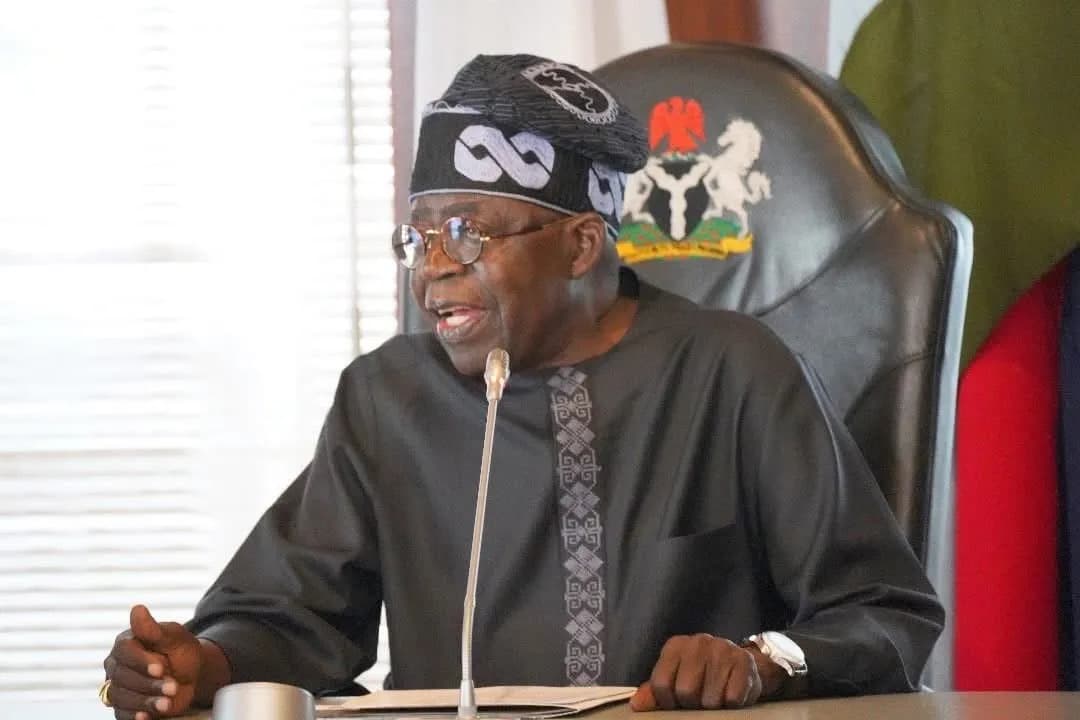
Two years into President Bola Tinubu’s administration, Nigeria’s oil and gas sector shows a mix of progress and persistent challenges. While policy overhauls and infrastructure commitments mark visible strides, fluctuating foreign exchange rates and weak institutional independence continue to undermine results.
According to Olubodu Shomei, CEO of CAAP Trade Limited and consultant to the Senate Committee on Oil and Gas, key milestones such as the Bonga field fiscal corrections and gas revenue recovery reflect serious institutional gains. However, production targets remain unmet, and unresolved tensions between Dangote Refinery and regulators signal deeper systemic gaps.
Bonga Oil Field and Gas Revenue Reform: A Notable Win
The Bonga field, a legacy production-sharing contract (PSC), lacked initial provisions for gas. As a result, Nigeria could not access over $1.6 billion in escrowed gas revenue. Recent legislative changes under the Tinubu administration, particularly through the Petroleum Industry Act (PIA), corrected this oversight.
Shomei praised the fiscal reforms, stating that institutional fixes like these “make the system work.” He emphasised that while the impact on everyday Nigerians will take time, investments in infrastructure—from pipelines to roads—will eventually stimulate broad economic activity.
CNG Programme Moves Slowly, But Experts Urge Patience
The administration’s push for compressed natural gas (CNG) adoption targeting one million vehicles by 2027 has received mixed reactions. While progress appears slow, Shomei warned against abandoning the effort, comparing it to a growing child who stumbles before learning to walk.
“CNG, like petrol, needs a supply chain,” he noted, adding that Nigeria lacks the decades-old infrastructure petrol enjoys. According to him, the CNG rollout is not failing but evolving within a longer timeframe, constrained by the cost of nationwide infrastructure development.
Dangote Oil Refinery, NNPC, and the Crude for Naira Debate
Dangote Refinery’s ongoing price cuts and its controversial crude-for-naira arrangement with the Nigerian government have sparked public debate. While Dangote’s pricing offers consumers some relief, Shomei pointed out that exchange rate volatility remains the real determinant of cost at the pump.
“It doesn’t matter if the refinery reduces prices,” he explained, “as long as the naira continues to depreciate, pump prices will remain high.” He illustrated this with an anecdote: the dollar cost of an international flight remained stable, but the naira equivalent soared over the years due to currency devaluation.
He also criticised the politicisation of the Dangote government negotiations, stressing that the Nigerian Midstream and Downstream Petroleum Regulatory Authority (NMDPRA) should lead such discussions not the presidency or NNPC. Shomei urged for stronger, more autonomous institutions capable of upholding regulatory functions independently.
Subsidy Removal and Refinery Status: A Work in Progress
The administration’s removal of petrol subsidies was hailed as a bold move. Yet, public sentiment remains sceptical due to rising inflation and slow rollout of promised palliatives. With the refineries still under maintenance or operating below capacity, fuel imports continue to dominate.
The government’s proposal to raise new bonds to cushion subsidy removal effects has drawn criticism. Analysts question the sustainability of borrowing to address inflationary pressures, especially without local refining capacity fully online.
A Sector in Transition, Not Yet Transformed
President Tinubu’s oil and gas policies have set important reforms in motion—correcting past fiscal errors, legislating for gas inclusion, and driving CNG adoption. However, delayed infrastructure, institutional fragility, and macroeconomic instability continue to hinder meaningful results.
As Shomei aptly concluded, “It is independent institutions that build strong nations.” For Nigeria’s oil and gas sector to truly evolve, it must reduce dependence on personalities and empower its regulatory systems to function without political interference.